Batteries Worldwide — Where They Stand Today
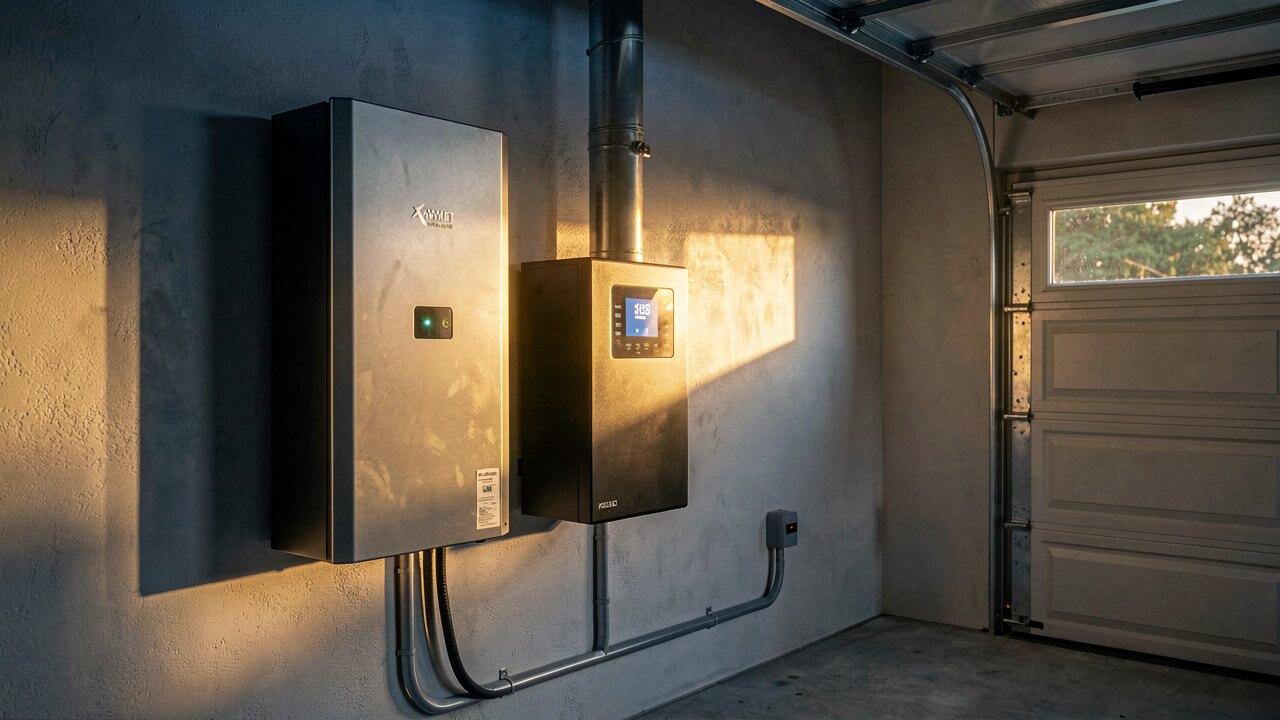
"Batteries worldwide" usually means the grid-scale battery energy storage (BESS) now being installed on power systems across the globe. This page answers what is deployed, which countries lead, and what these batteries do — before any sales talk.
Grid battery storage is expanding fast on every continent, driven by cheaper lithium-ion cells and volatile electricity prices. Capacity is measured in two figures you should always ask for together: power in GW (how fast it can charge or discharge) and energy in GWh (how much it can store). One without the other tells you little.

Per ENTSO-E data, Bulgaria has become the number-one small/medium economy by share of battery systems, with about 3.3 GW / 8.6 GWh online. In Europe, active BESS-relevant power markets already include Germany (DE-LU), Austria, France, the Netherlands, Belgium, Switzerland, Spain, Italy, Great Britain and Poland — each with its own day-ahead price spreads that make storage pay.

Two main jobs. First, day-ahead arbitrage: charge when power is cheap, discharge when it is expensive, and keep the spread minus efficiency loss and degradation. Second, ancillary and balancing services — Frequency Containment Reserve (FCR), automatic FRR (aFRR) and manual FRR (mFRR) — where operators pay batteries to stabilise grid frequency.
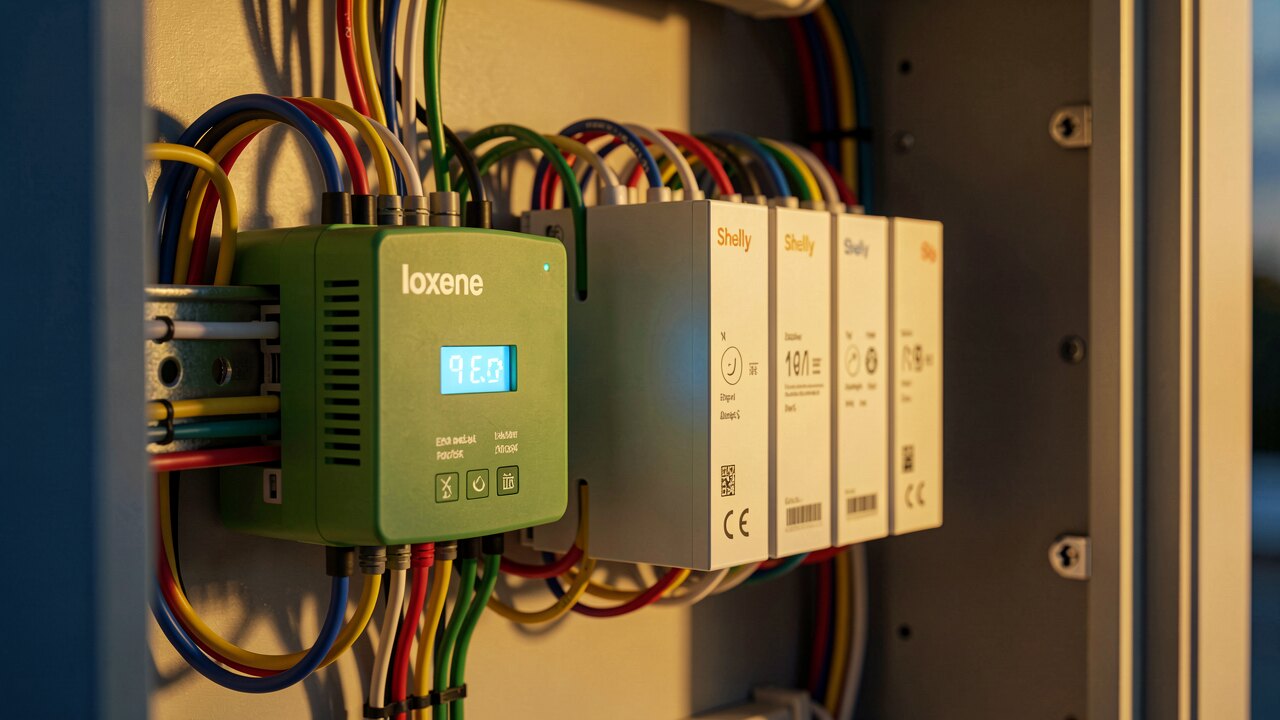
A well-run battery does not rely on one income stream. It layers arbitrage on top of balancing-market revenue, switching between them slice by slice through the day. In markets like Bulgaria, batteries can also join European balancing platforms such as PICASSO for aFRR, though cross-border energy exchange there still awaits a neighbouring country to connect.
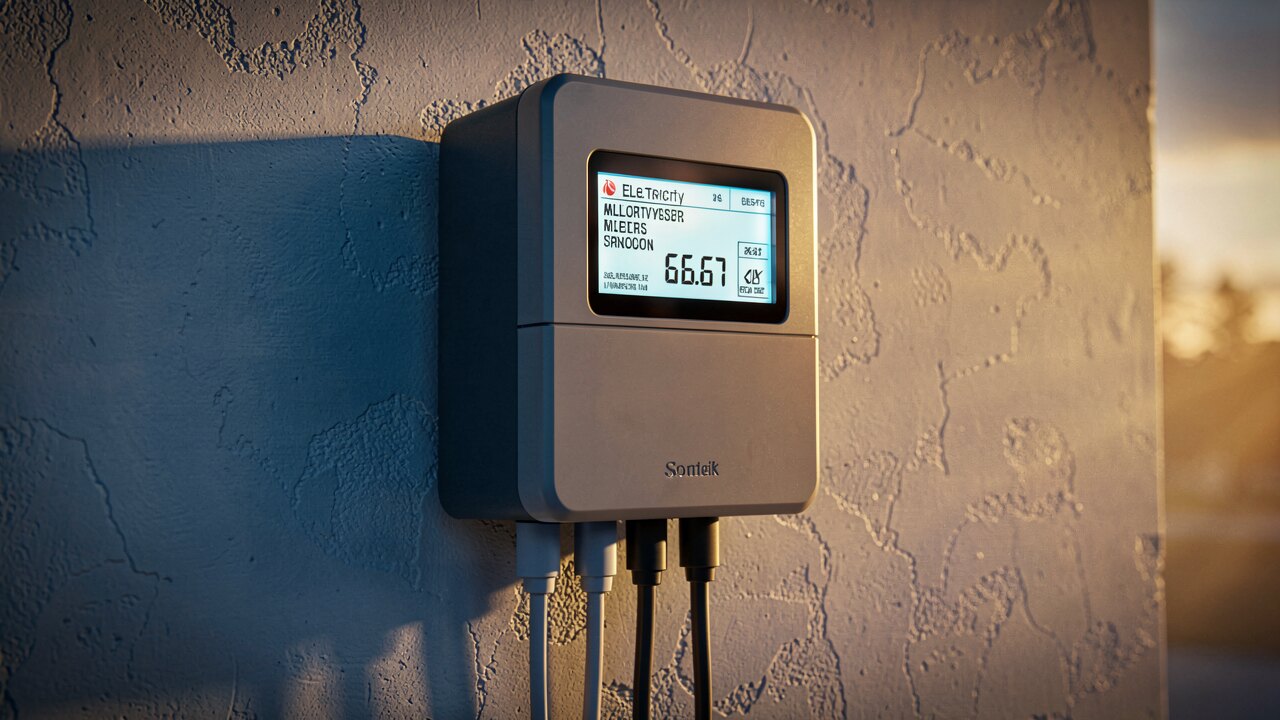
Four numbers decide value: capacity (MWh), C-rate (power-to-energy ratio), maximum depth of discharge (DoD, %) and round-trip efficiency (%). Higher efficiency and DoD mean more usable energy per cycle; a higher C-rate means faster response for balancing markets. Subtract the degradation cost per cycle before you call any spread profitable.
Deployment figures move monthly, so treat any single number as a snapshot, not a fixed total. Balancing-market access, cross-border platforms and price spreads are all evolving — planned integrations such as further PICASSO cross-border exchange are not yet live and should be read as planned, not done.