Battery Marketing: How Do You Sell a Battery on the Power Market?
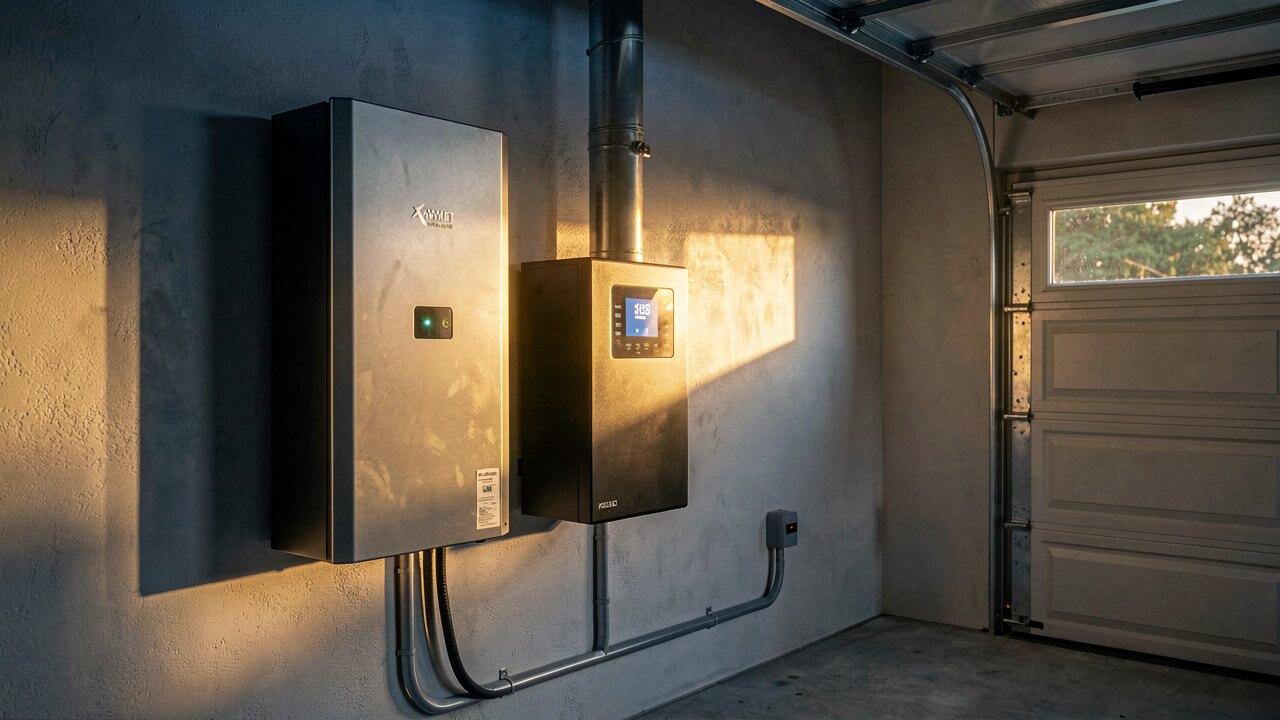
Battery marketing (German: Batterievermarktung) means selling the charging and discharging of a battery storage system on wholesale electricity markets to earn revenue. This page explains what it is, the concrete steps to start, and which markets pay.
You buy electricity when prices are low, charge the battery, and discharge it when prices are high. A marketer (Direktvermarkter) sells this flexibility on power markets on your behalf. Any battery of 1 MW or more can be marketed; smaller units are usually pooled. At any given moment a battery earns on only one market at a time, so the core job is choosing the right market each hour.
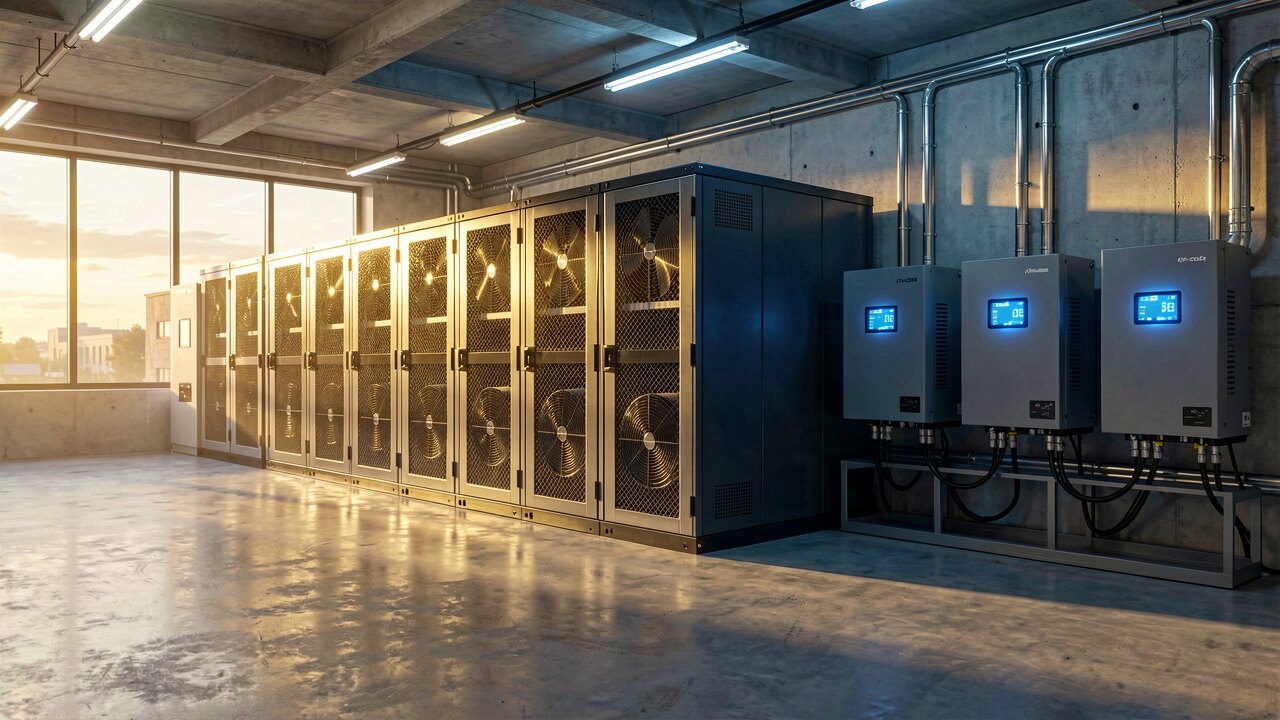
1) Know your revenue ceiling: calculate the maximum a battery of your size and capacity could earn from public price data before signing anything. 2) Pick a direct marketer or aggregator who controls the battery via a control signal. 3) Agree how revenue is split and who bears the degradation cost. 4) Connect the battery for remote dispatch. Start by checking your realistic potential — you can model your own capacity, C-rate, depth of discharge and efficiency in the free Stromfee arbitrage dashboard at stromfee.ai/bess/arbitrage-strategy.html.

The main revenue streams are day-ahead and intraday arbitrage (price spreads within a day) and, for many operators, balancing and ancillary services. Prices differ strongly by country: Stromfee models 9–10 European markets including Germany (DE-LU), Austria, France, Netherlands, Belgium, Switzerland, Spain, Italy, Great Britain and Poland. The higher the daily spread in your market, the more arbitrage earns. A marketer or an automated allocation system decides hour by hour which market offers the best return.
Gross spread is not net profit. Subtract round-trip efficiency losses (charging and discharging waste energy) and degradation cost (each full cycle ages the cells), plus the marketer fee. A realistic model prices all of these in. This is why you should compare your revenue maximum against what actually lands after costs before committing — Stromfee computes exactly that gap: the theoretical maximum versus what really arrives.
If you have one battery and no trading desk, a direct marketer is simpler: they handle forecasting, dispatch and market access for a fee. If you operate several MW, an automated allocation and market-mix system can lift returns by always trading the best of the available markets. Decision aid: below roughly 1 MW, pool with an aggregator; above it, get your revenue potential calculated first, then negotiate the revenue split from a position of knowledge.
Start free: open the Stromfee arbitrage dashboard (stromfee.ai/bess/arbitrage-strategy.html), enter your capacity, C-rate, depth of discharge and efficiency, and read your daily spread and net profit. To have the revenue maximum of your specific battery calculated from public data and a marketing route recommended, contact Stromfee (HR Energiemanagement GmbH, Bünde) at +49 5223 4921030.