BESS in København: what it is and how it works here

A BESS (Battery Energy Storage System) is a grid-connected battery that charges when electricity is cheap or abundant and discharges when it is expensive or scarce. In København the same hardware serves three jobs: shaving your peak load, trading the price spread on the day-ahead and intraday markets, and — if it qualifies — selling grid services to the Danish transmission operator.
Technically a BESS anywhere is the same thing: battery cells, an inverter (PCS), a battery management system, and a controller that decides when to charge and discharge. What is specific to København is the market it plugs into. The city sits in the DK2 bidding zone (eastern Denmark, Zealand), which is part of the Nordic synchronous area. Your battery is therefore priced against DK2 day-ahead and intraday prices, not against German or DK1 prices — a distinction that matters, because the two Danish zones can and do settle at different prices in the same hour.
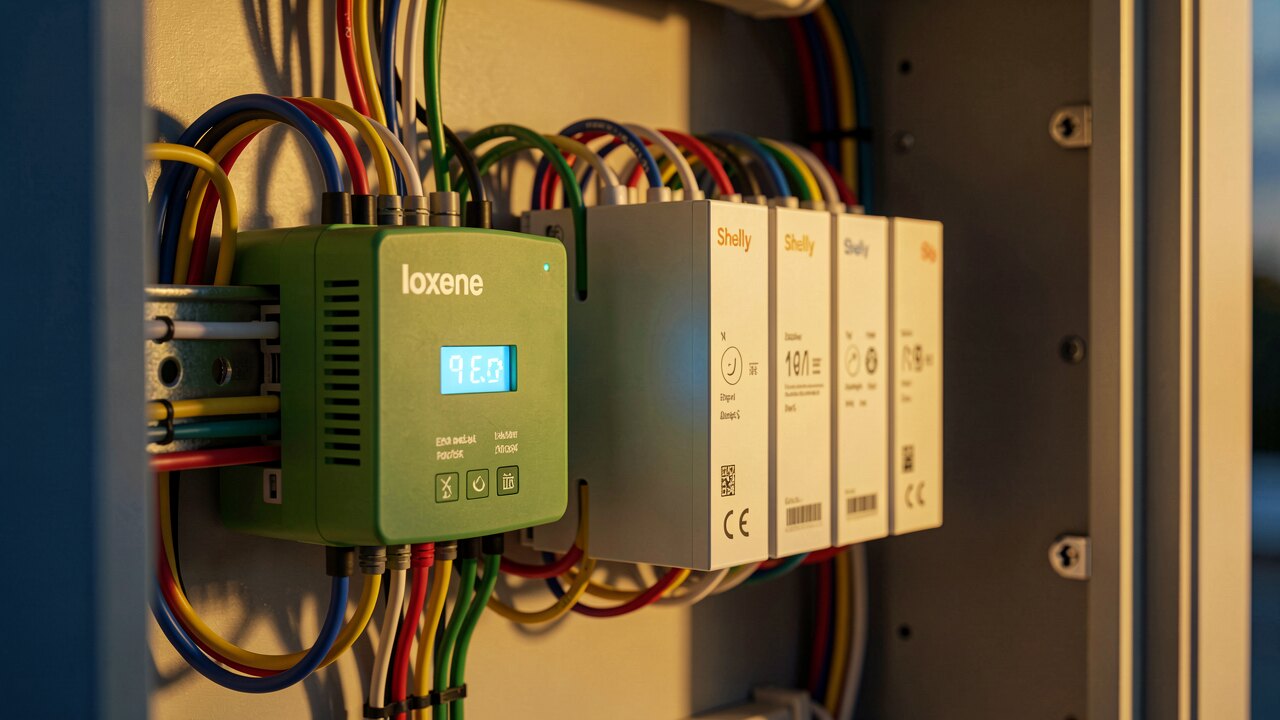
1) Peak shaving: the battery covers your own load spikes so you draw less from the grid at your most expensive moments. This is the most predictable stream and it works for any commercial site — hotel, cold store, workshop, data room. 2) Arbitrage: charge in the cheap night hours, discharge in the expensive evening hours. Stromfee's own worked example (illustrative, not a København measurement): buying at 85 €/MWh and selling at 145 €/MWh is a 60 €/MWh spread; on a 3 MWh battery that is roughly 180 € on such a day. Real spreads vary daily and some days offer nothing. 3) Grid services: Energinet, the Danish TSO, procures frequency products (FCR, aFRR, mFRR) that batteries are technically well suited to, usually via an aggregator rather than directly.
Three parties, and they are not the same organisation. Energinet operates the transmission grid and the balancing markets. Your local distribution company (in the Copenhagen area this is the DSO serving your address) owns the connection point and sets the connection process and tariffs. Your electricity supplier or a BESS aggregator gives you access to the wholesale and ancillary markets. Practically, the connection agreement with the DSO is the step that determines your timeline; the market side can be arranged later and changed.

The right size falls out of two numbers: your peak power in kW (which sets the inverter rating) and how many hours you need to hold that peak (which sets the kWh). A site with a sharp one-hour evening peak needs power, not energy. A site with a broad six-hour load needs energy. Get 15-minute interval metering data for a full year before anyone quotes you a battery — a quote written without your load curve is a guess. For reference, in Stromfee's hotel work, properties with large spa and kitchen loads land in the 3–5 MWh range, but that is a German hotel benchmark, not a København rule.
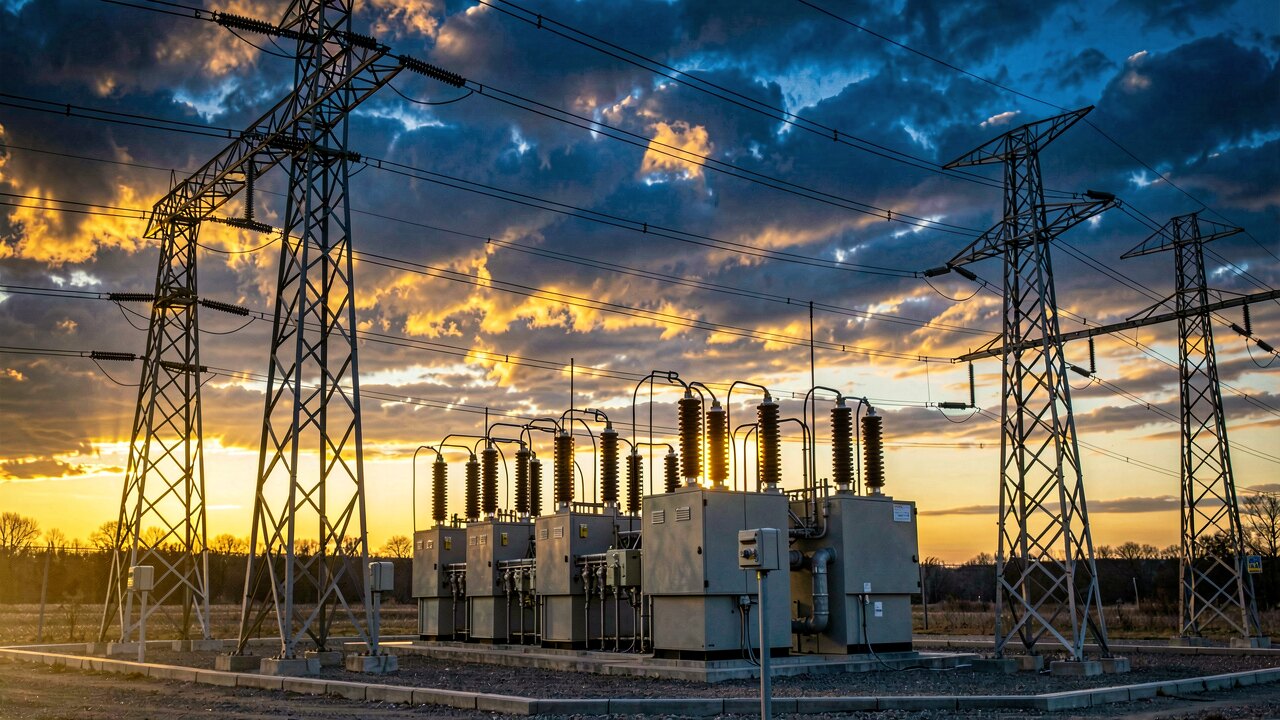
København is a constrained urban environment, and that shapes the project more than the battery chemistry does. Expect the binding constraints to be: available floor area or yard space, fire separation distances and the local fire authority's requirements for lithium-ion installations, noise limits at the property line (the cooling system, not the cells, makes the noise), and the capacity of your existing connection. Indoor container installations in basements are possible but bring the strictest fire engineering. Many urban sites end up with a smaller battery than the business case would ideally want, purely because of space.
Be honest about the negative cases. If your load is flat with no meaningful peak, peak shaving earns nothing. If you have no on-site generation and DK2 spreads in your trading window are narrow, arbitrage alone rarely carries the investment. If your connection is already close to its limit, the battery may require a connection upgrade whose cost dwarfs the battery. And a battery bought purely for backup power is usually more expensive per hour of resilience than a generator — buy it for the market value, and take the backup capability as a bonus.