Capping Load Peaks (Lastspitzen Kappen): What It Means and How to Do It

"Lastspitzen kappen" is German for shaving or capping load peaks — flattening the short bursts of high power draw that set your demand charge. Because grid operators bill commercial sites partly on your single highest 15-minute average, cutting that one peak lowers your grid fees for the whole billing period.
Your meter records an average power value every 15 minutes. The highest of these intervals in the billing period sets your demand charge (Leistungspreis) — a price you pay per kilowatt of peak power, on top of the energy you consume. Capping load peaks means keeping that highest interval as low as possible, so a single brief spike doesn't inflate the price applied to your whole bill.
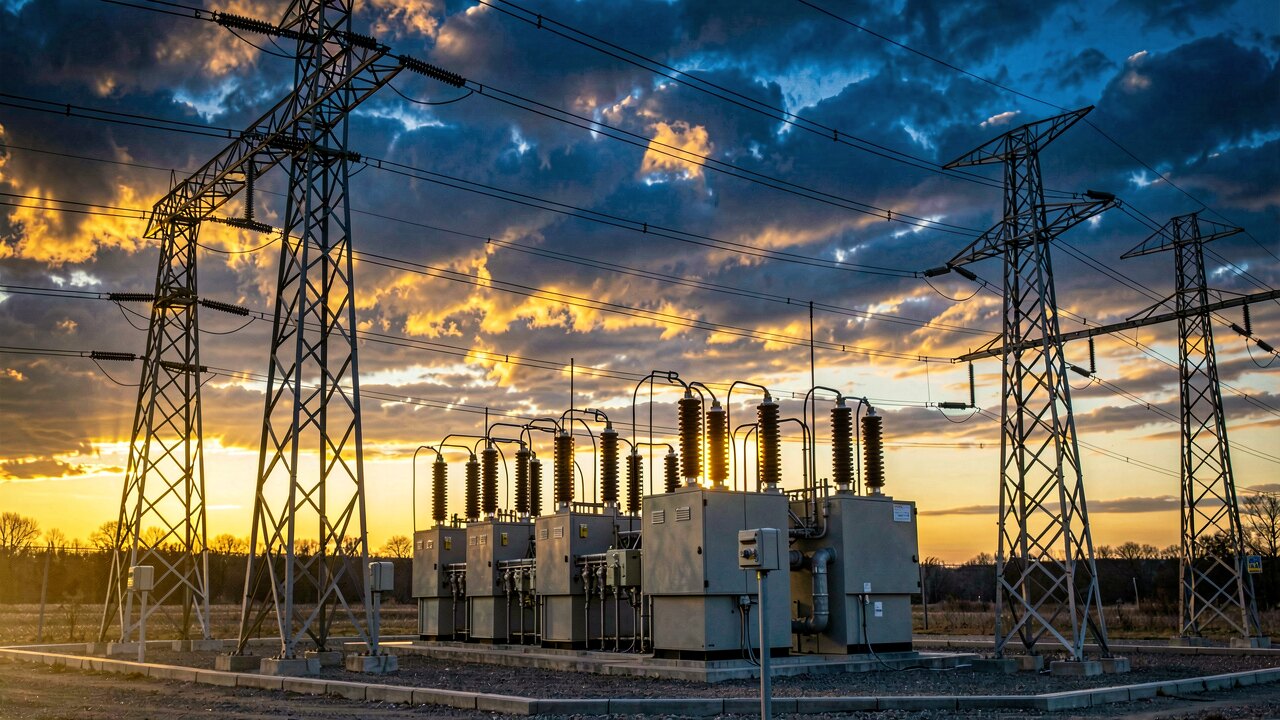
1) Measure: pull your 15-minute load profile and find the intervals that set your peaks. 2) Identify the causes: which machines, pumps, chargers or startups coincide at those moments. 3) Set a target threshold below your current peak. 4) React in real time when the running 15-minute average approaches the threshold — either by shifting/delaying loads or by covering the excess. This is exactly what a demand-control EMS module does with monthly threshold controllers.

Load shifting: stagger or delay non-critical loads (charging, heating, pumps, batch processes) so they don't stack into one interval. Battery peak shaving: a BESS discharges during the peak interval to cover demand above your threshold, then recharges during low-load periods — so the grid never "sees" the spike. Most sites combine both: shift what you can, buffer the rest.
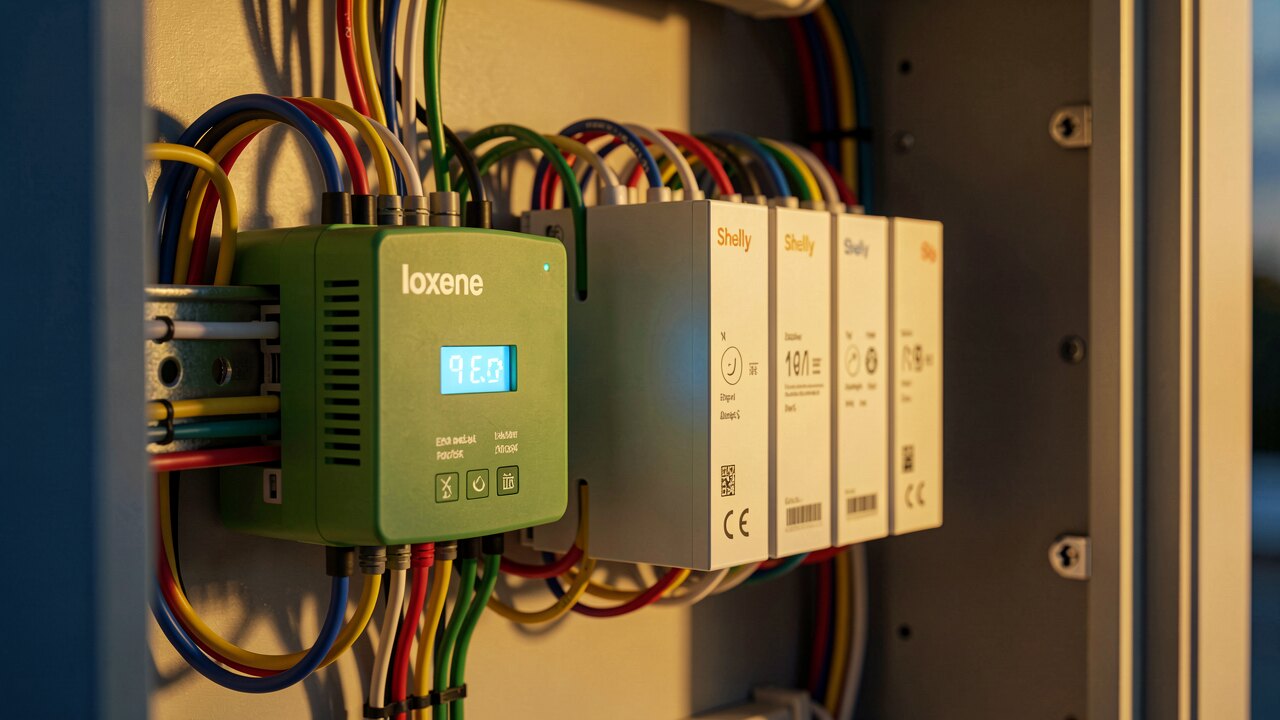
The demand charge isn't based on total consumption but on your worst 15-minute average. One heavy startup or a coincidental overlap of machines can set a peak that raises the power price for every remaining month of the period. That's why targeting a handful of peak intervals — rather than reducing overall usage — is where the largest, fastest savings usually sit.
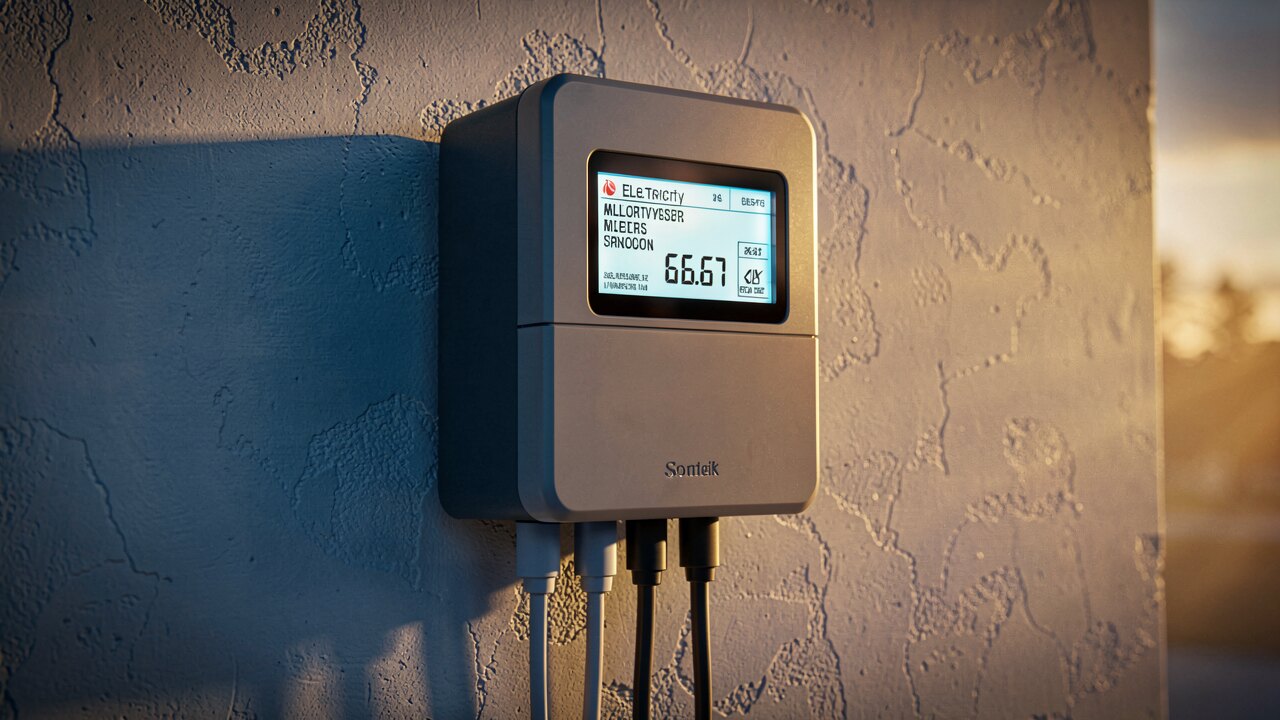
By smoothing demand and avoiding the costly spikes, sites can lower grid fees and total electricity costs by up to around 25%, depending on load profile and how spiky it currently is. The flatter and more predictable your profile already is, the smaller the headroom; sites with sharp, occasional peaks have the most to gain.
Operations with energy-intensive or intermittent processes — manufacturing, agriculture, logistics, and commercial sites with high power draw — benefit most, because their peaks are both high and controllable. If your process has clear on/off events (startups, charging, pumping), those are the levers for capping peaks.