Day-Ahead Electricity Price in Germany
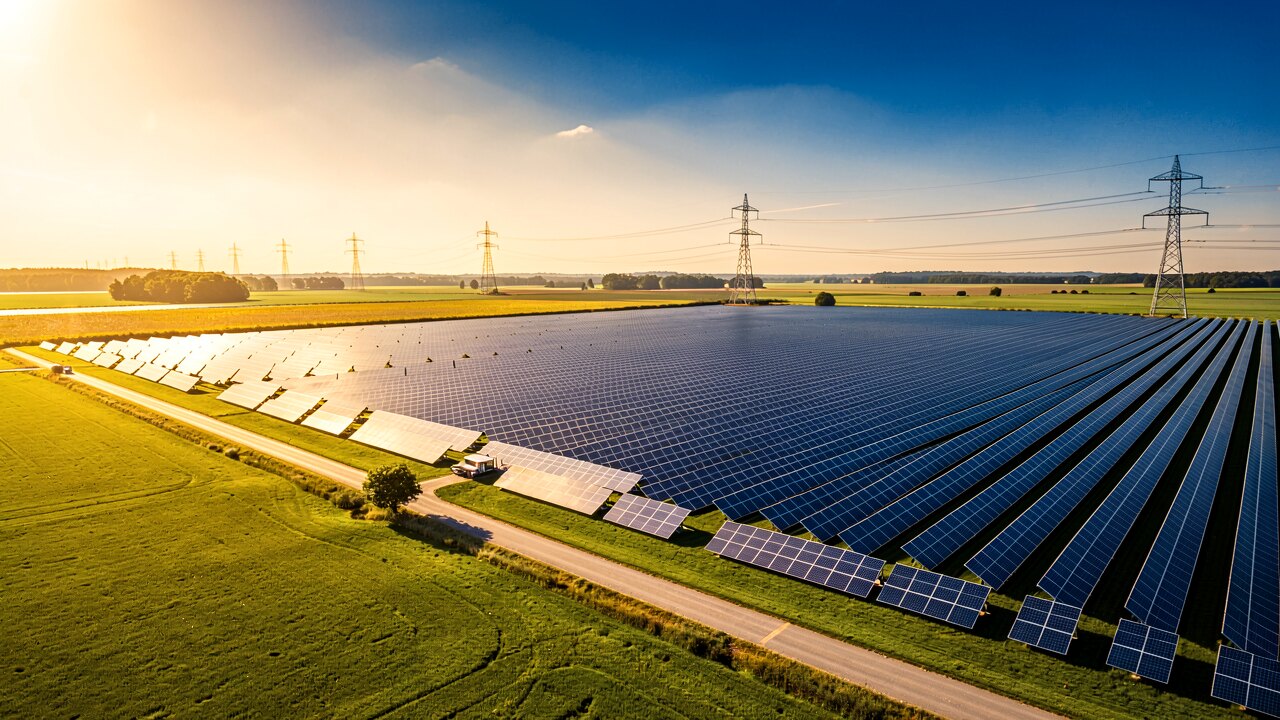
The German day-ahead price is the wholesale price of electricity for each hour of the next day, fixed once daily in an auction on EPEX SPOT for the DE-LU bidding zone. It is quoted in euros per megawatt-hour (€/MWh) and is the reference most flexible loads, generators and batteries dispatch against.
It is a single clearing price per delivery hour (and, increasingly, per 15-minute period) for the following day, valid across the whole Germany-Luxembourg bidding zone. Buyers and sellers submit bids for each time slot; the market operator crosses supply and demand and publishes one price per slot. That is the number quoted as the 'Day-Ahead Strompreis' — not an average bill price, but the raw hourly wholesale value.
Trading runs on EPEX SPOT within the pan-European Single Day-Ahead Coupling. Order books close at 12:00 CET; results for all 24 hours (plus 15-minute intervals) of the next day are published shortly after, around 12:45 CET. From that moment the full next-day price curve is fixed and public — so by early afternoon you already know tomorrow's cheap and expensive hours.
Prices follow the merit order: the cheapest available generation (wind, solar, hydro — near-zero marginal cost) is dispatched first, then rising-cost plants until demand is met. The last plant needed sets the price for that hour for everyone. So a windy, sunny hour clears low or even negative; a still winter evening pulls gas plants in and clears high.

Germany's large solar and wind fleet makes the curve volatile: midday solar can crush prices, while the evening peak after sunset — high demand, low renewable output — lifts them sharply. Negative prices occur when renewable supply exceeds demand and inflexible plants keep running. The daily gap between the cheapest and most expensive slots (the 'spread') is what makes flexibility valuable.
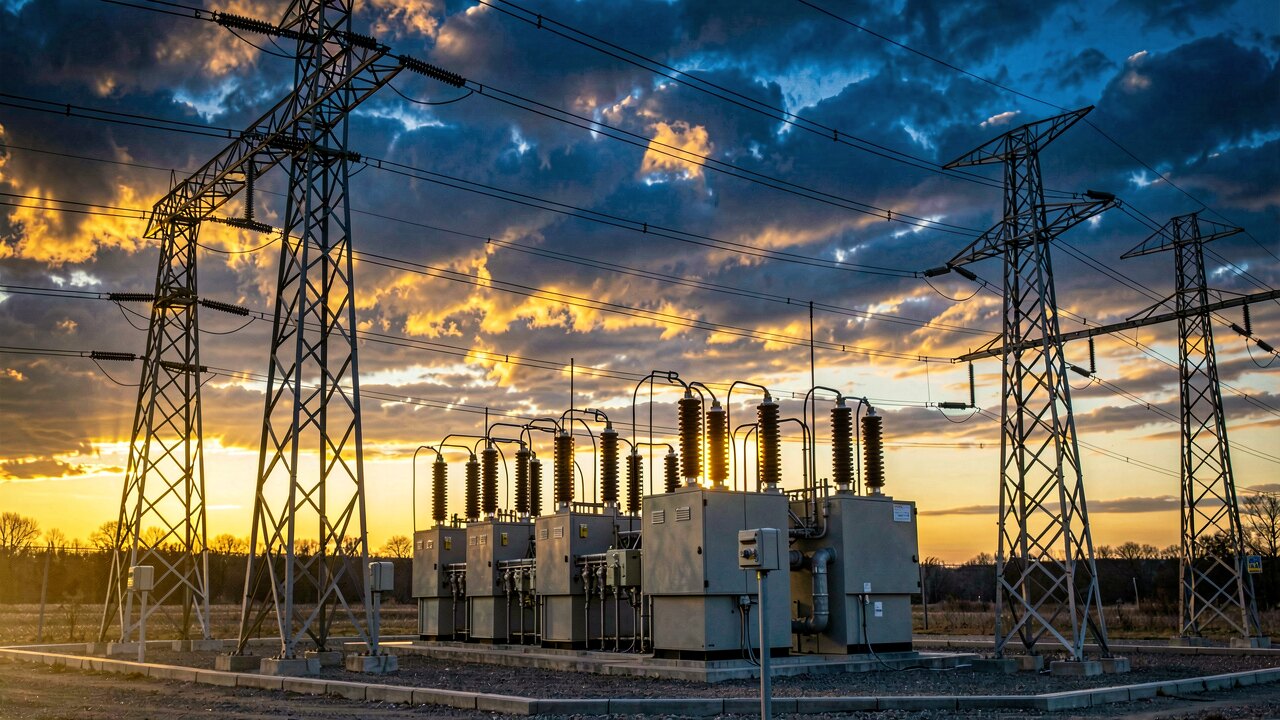
Alongside hourly contracts, the day-ahead auction now includes 15-minute products. Finer time resolution captures the steep solar ramps at dawn and dusk more precisely, which typically widens the intraday range and raises the value of assets that can react quickly.
The core opportunity is arbitrage: charge in the cheap hours, discharge into the expensive ones, and capture the daily spread as revenue. Stromfee's optimiser builds a per-site charge/discharge schedule against the live day-ahead and intraday price curve, then layers ancillary-service revenue (FCR/aFRR) on top — so an operator sees the realistic euro value of storage rather than a headline figure. As a regional reference, neighbouring coupled markets showed 30-day day-ahead spreads of roughly €96–170/MWh.