Electricity Price Forecast 2026: What Will Power Cost?
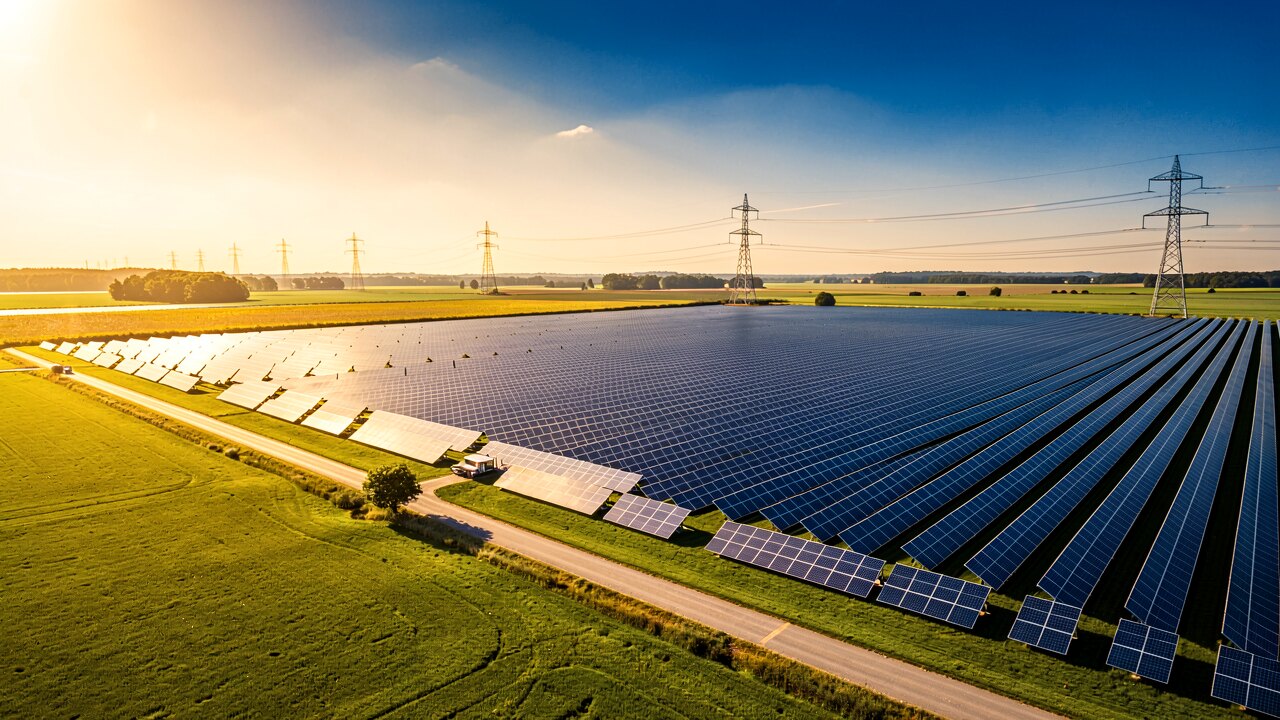
For 2026, German wholesale day-ahead baseload is trading on forward markets in the roughly €85–95/MWh range, close to 2024–2025 levels. The bigger story is not the average but the spread: wider daily swings and a likely new record of negative-price hours.
As of now, the German Cal-2026 baseload futures — the market's own best guess for the full-year average wholesale price — trade in roughly the €85–95/MWh band. That is broadly in line with the 2024 day-ahead average (~€78/MWh) and 2025 (high-€80s). This is a forward-market price, not a guarantee: actual 2026 outturn depends on gas prices, weather, and renewable build-out, so treat it as a range, not a fixed figure.
Forward markets give the yearly average; for the day-ahead price of a specific hour you need a short-term model. Stromfee's EPEX Spot day-ahead forecast (Prophet ML, hourly resolution) publishes min / average / max per day and the number of negative-price hours for the next 7 days across DE, AT, FR, NL, BE, PL and Nordic zones — the practical tool if you want a concrete €/MWh number for tomorrow rather than the year.
Industry reporting (top agrar) warns that 2026 threatens a new record for negative electricity prices — hours where wholesale prices fall below zero, driven by high solar and wind feed-in at low demand. For consumers on dynamic tariffs this is an opportunity (paid or near-free power at midday); for solar operators without storage it can mean lost revenue under §51 EEG rules.
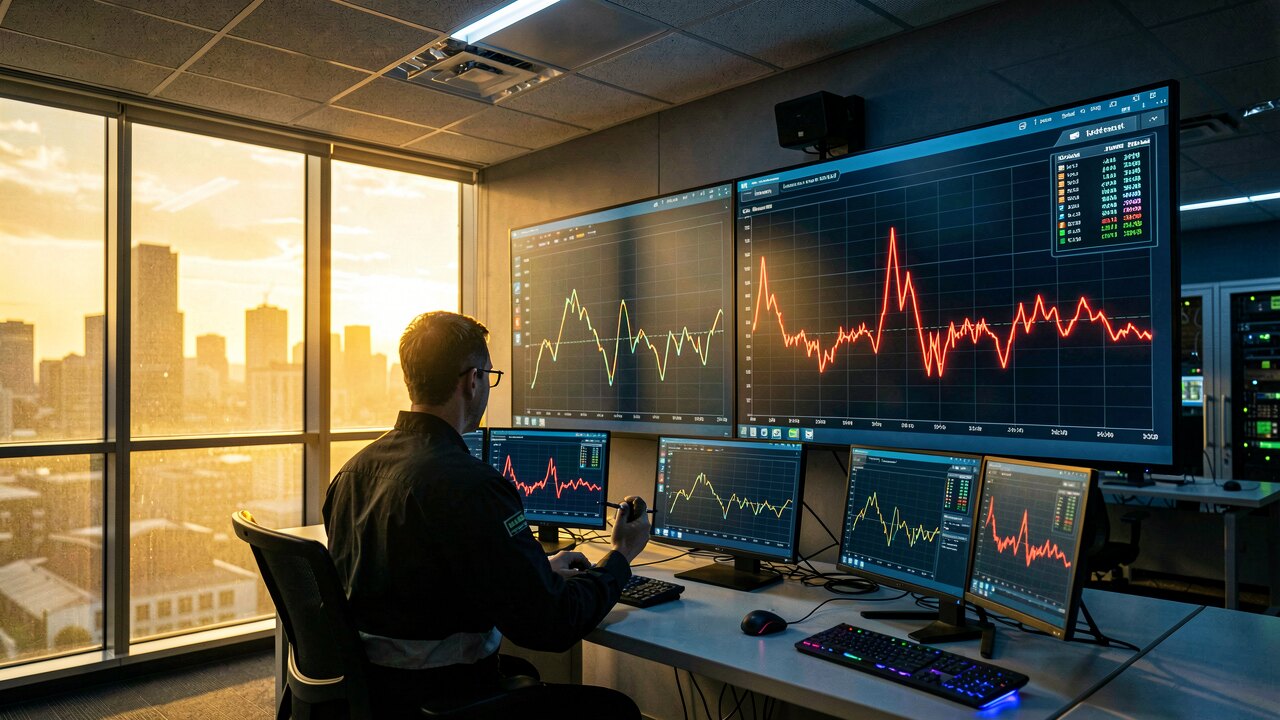
Even if the average sits near €85–95/MWh, 2026 is expected to keep seeing single-day peaks at the highest levels of the year alongside negative midday hours. That widening gap between the cheapest and most expensive hour is what matters for procurement: shifting consumption into cheap hours can save more than any change in the annual average.
Two concrete moves: (1) if you buy power, schedule flexible loads into the forecast's cheapest hours instead of tracking the yearly average; (2) if you have a large daily spread, battery storage (BESS) can arbitrage it — charging cheap, discharging expensive. A 10 MWh reference storage at ~90% efficiency captures the daily spread; the exact 2026 payoff depends on how wide those swings actually get.
Upside risk: higher gas prices or a cold, low-wind winter push averages and peaks up. Downside risk: strong renewable build-out and mild weather deepen negative hours and pull the average down. Because these offset, most forward pricing clusters in the €85–95/MWh band — but the uncertainty is real, which is why the range matters more than a single headline figure.