Energy Monitoring Apps: What They Do and How to Get Started
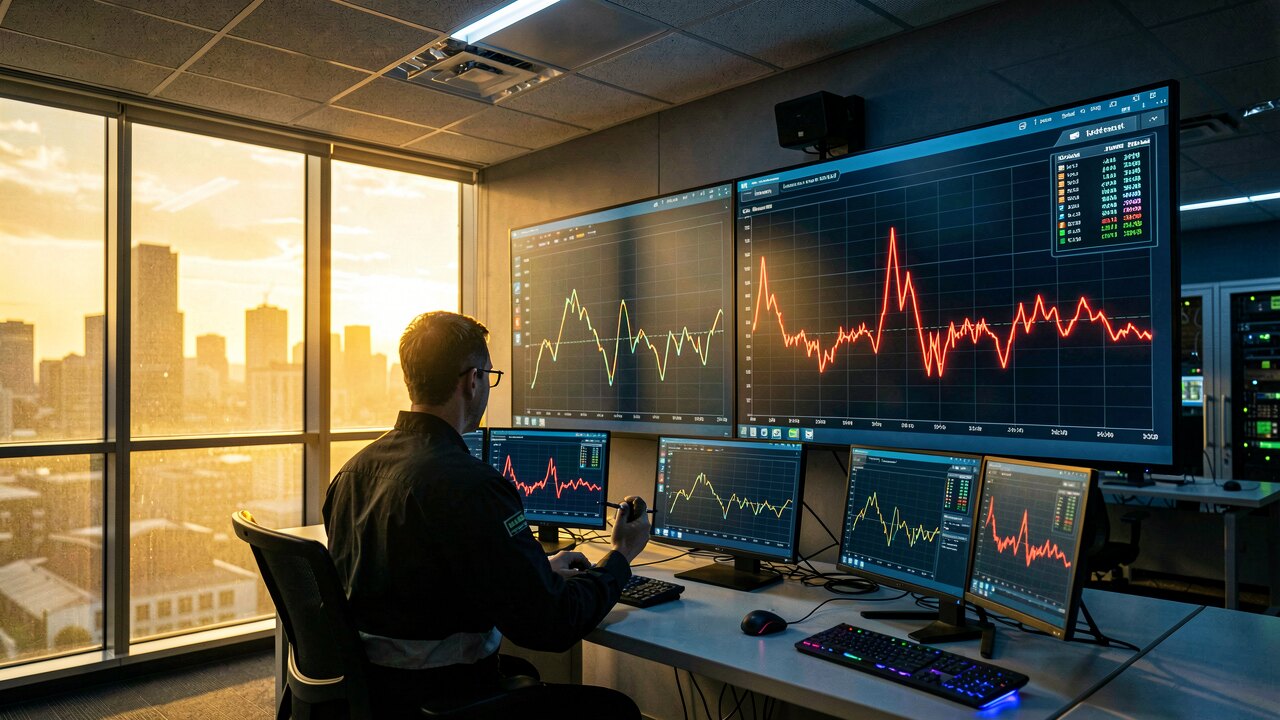
An energy monitoring app shows you how much electricity your home or business uses, in real time, so you can spot waste and cut costs. Below is a plain-English rundown of what these apps track, how to set one up, and what results are realistic.
It reads your live power consumption and turns it into charts you can understand on your phone or browser. Instead of one number on a monthly bill, you see which appliances, machines, or processes draw the most power and when. That visibility is the whole point: you cannot reduce a cost you cannot see.
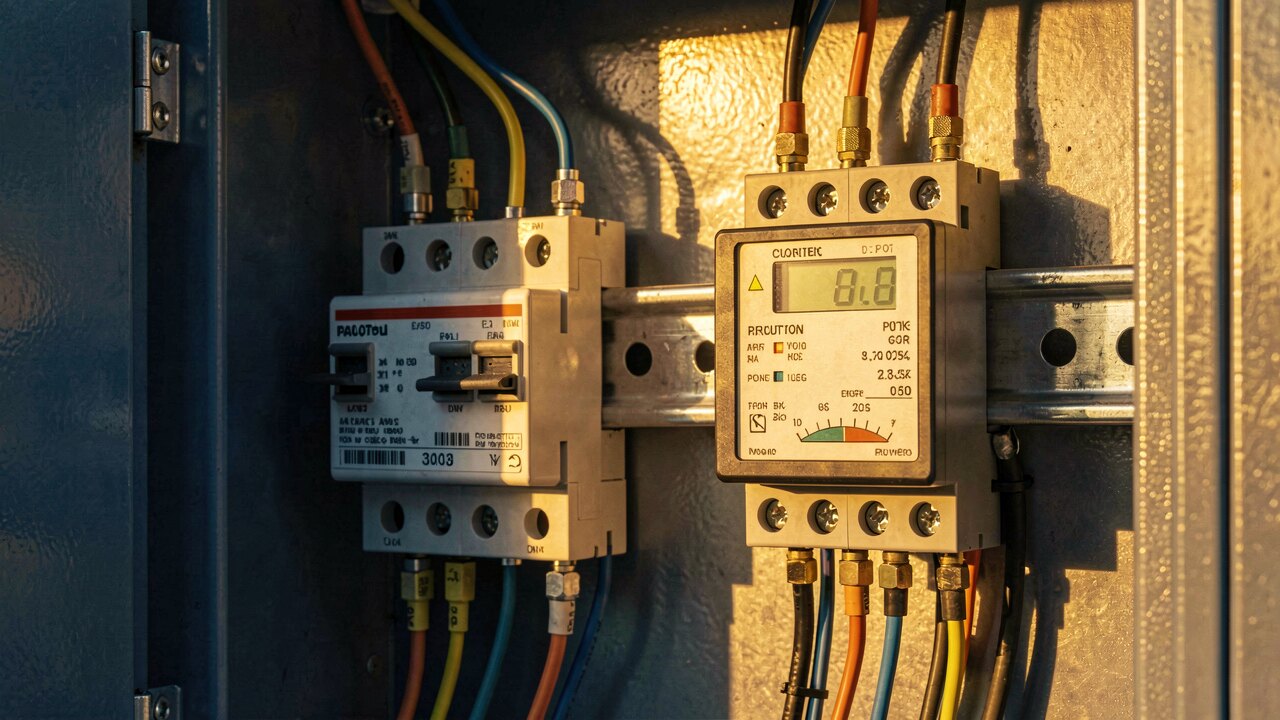
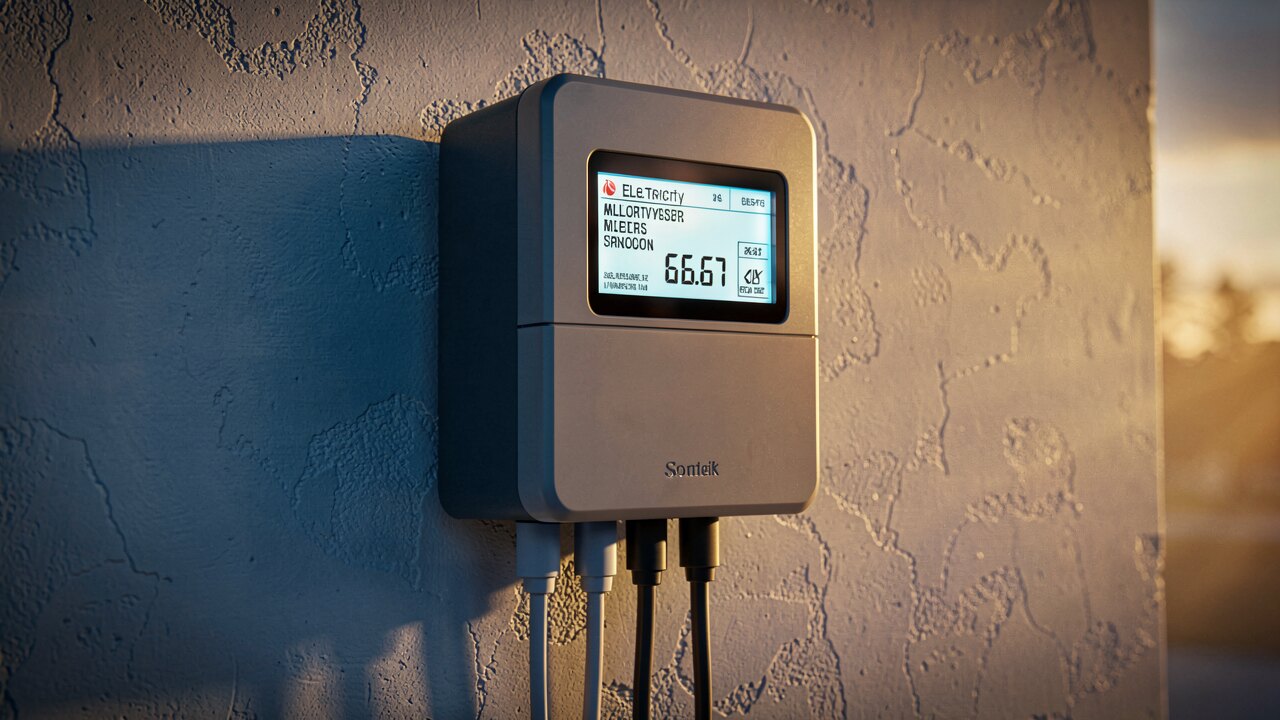
1) Connect a meter or sensor at your electrical panel (many modern setups install in about a minute for a single device such as a heat pump). 2) Pair it with the app so readings stream in real time. 3) Watch a few days of data, then act on the biggest consumers first. You do not need a large project or long installation to begin.
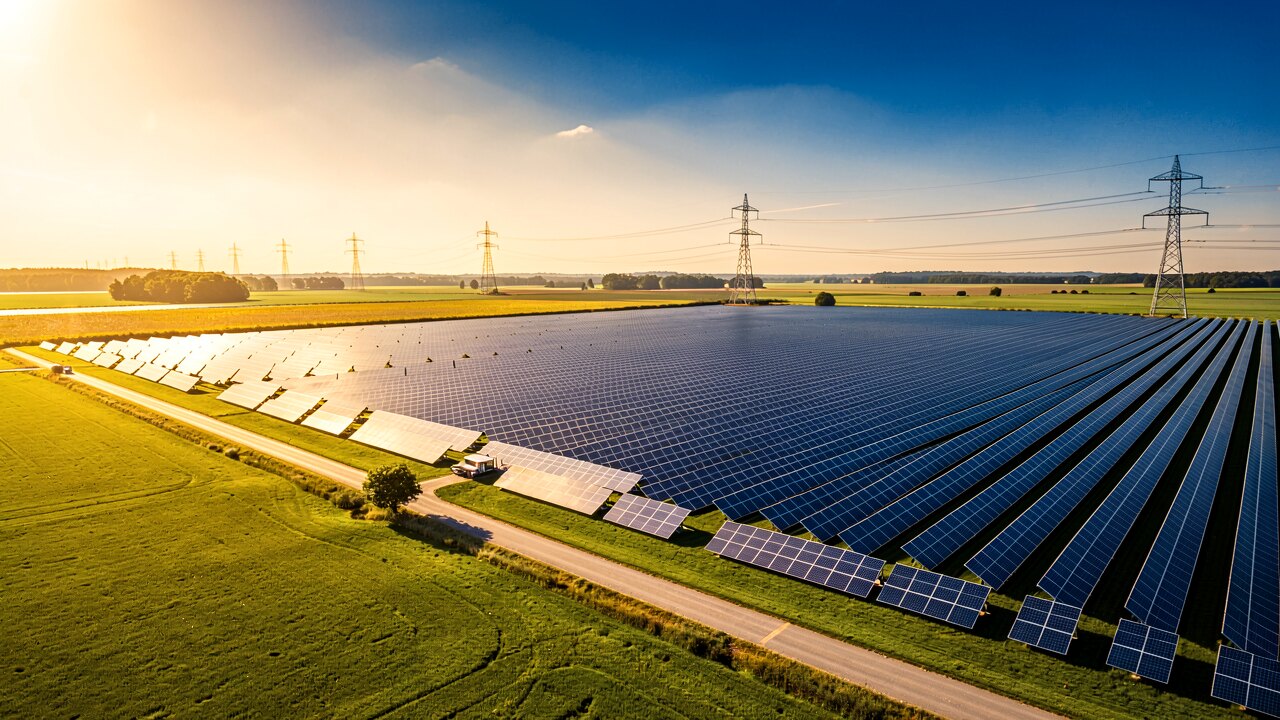
Households wanting a lower bill, and businesses running equipment like pumps, drives, or heating. A concrete example: a small power plant used real-time monitoring to steer self-consumption and avoid unnecessary grid draw. Anyone with a heat pump, PV system, or steady industrial load gets the clearest payback.
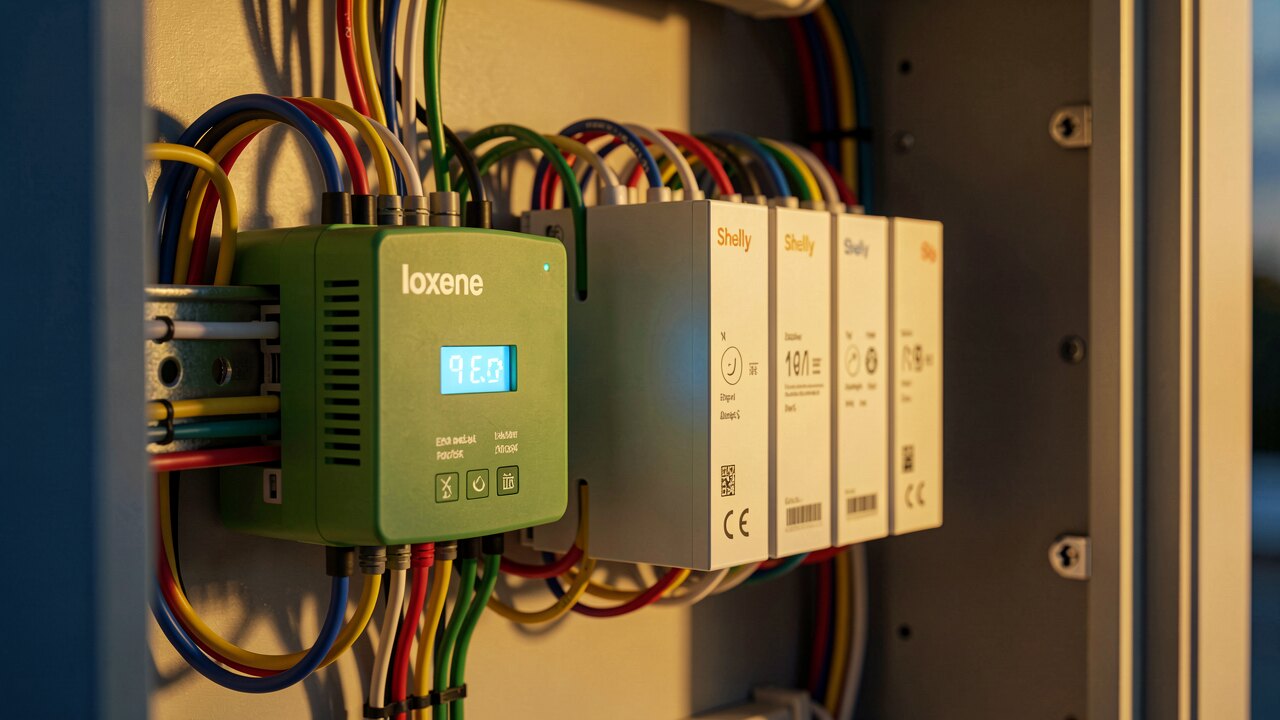
Savings depend on how much waste you currently have and how much you act on the data. In one documented Stromfee case, targeted optimization of peak loads and drives cut energy costs by up to 40%. Treat that as an upper example, not a guarantee — your figure depends on your load profile and the changes you make.
A dedicated app gives real-time, appliance-level detail and alerts, which a monthly utility statement cannot. That live feedback loop is what lets you test a change and immediately see whether consumption dropped, rather than waiting for the next bill.