How Battery Trading Works
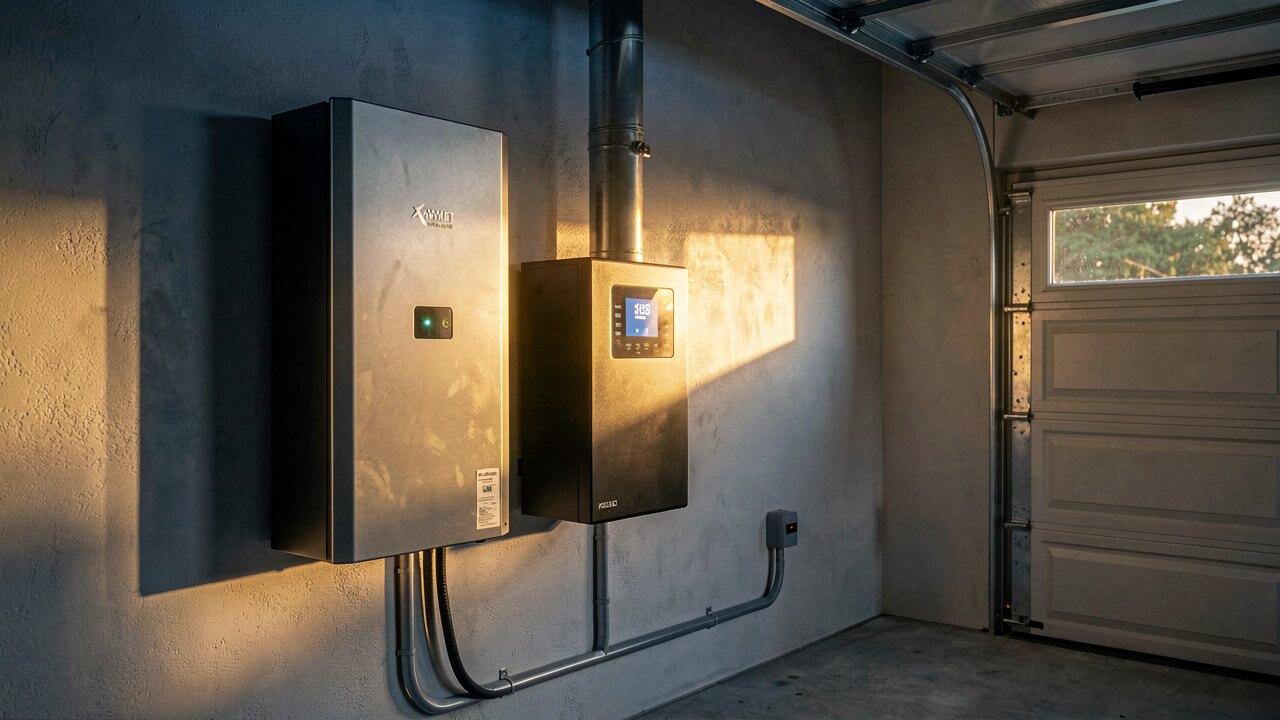
Battery trading is the practice of buying electricity when prices are low and selling it when demand—and prices—are high. This process, known as arbitrage, uses a Battery Energy Storage System (BESS) as a physical warehouse to capture price differences between different times of day.
Arbitrage is the primary mechanism for trading. For example, if you buy electricity at 25€/MWh during low-demand periods (e.g., at night) and sell it at 80€/MWh during peak times (e.g., midday), you realize a profit of 55€ per MWh. The battery acts as your storage unit to bridge these two timeframes.
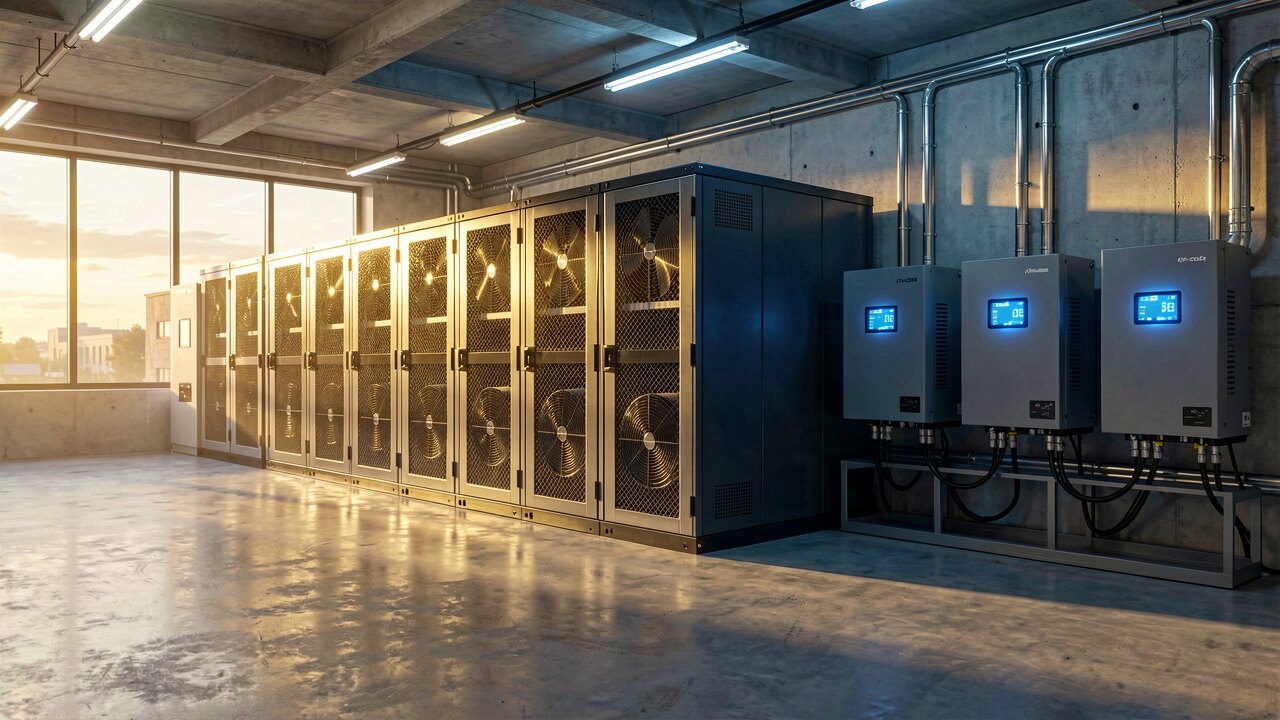
A single battery can perform multiple tasks simultaneously or sequentially to maximize revenue. Beyond arbitrage, systems can engage in 'Peak Shaving' to avoid high grid fees (potentially saving up to €2,400/year) and serve as PV storage to utilize self-generated solar power (potential savings of €1,800/year).

To maximize the potential of your asset, it is essential to know its revenue maximum. Professional trading involves 'Allocation'—deciding which specific markets the battery should participate in at any given time. A sophisticated system can provide a signal showing exactly where the profit lies today.
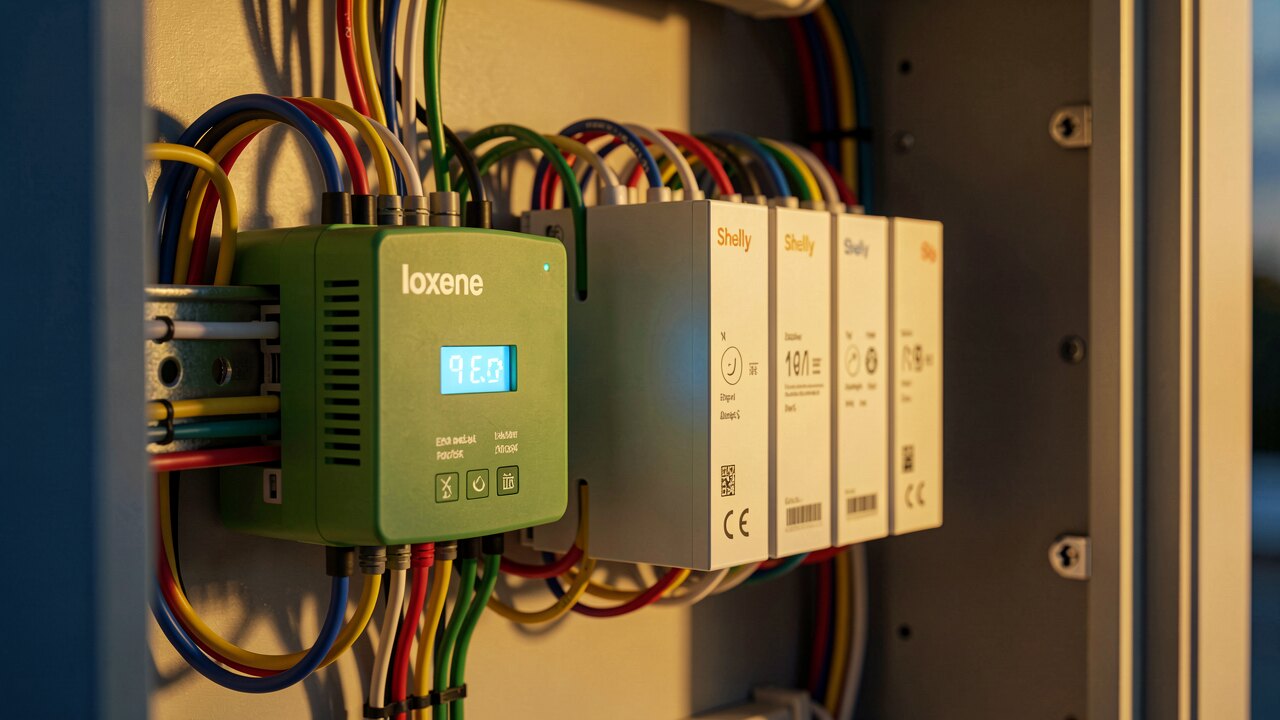
Successful trading requires a combination of technical infrastructure, investor strategy, and merchant knowledge. By calculating the maximum revenue potential for systems ≥1 MW based on public data, operators can determine the most profitable 'route' for their battery across various markets.