How Much Does Energy Monitoring Cost?
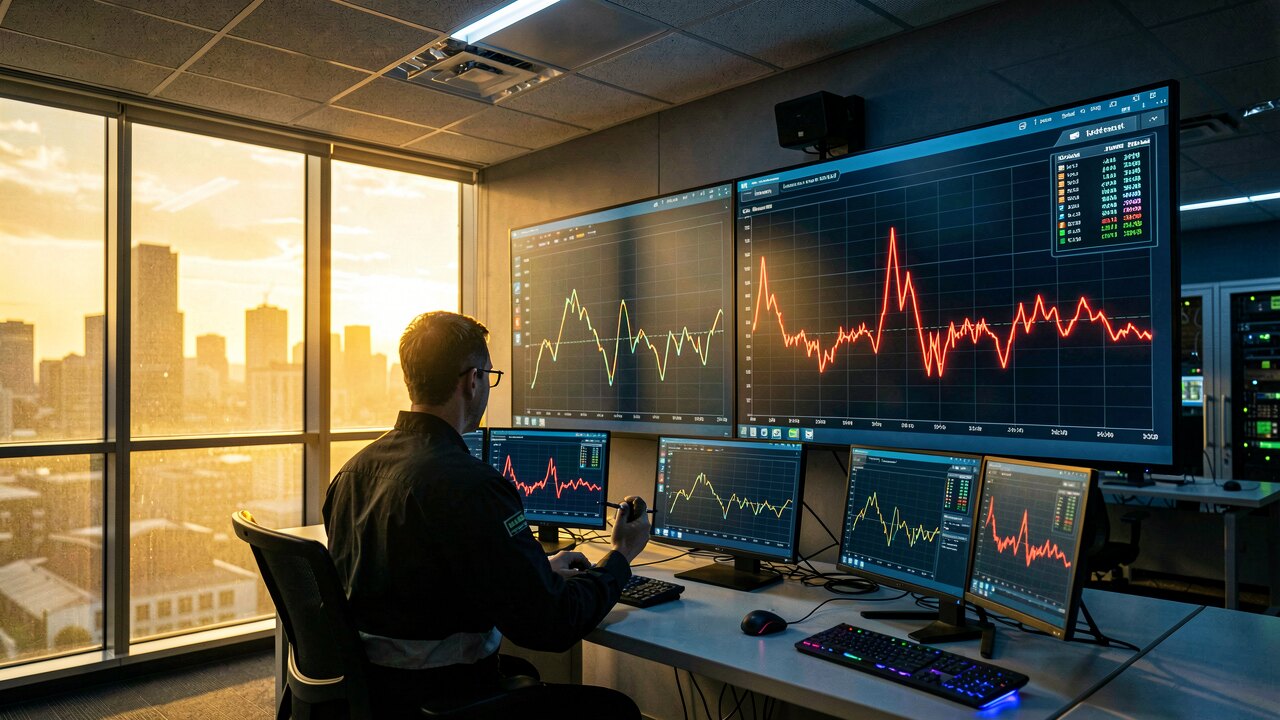
Energy monitoring cost is not a single price tag — it is the sum of measurement hardware, a data gateway, the monitoring software or subscription, and installation. The right question is not "what does it cost" but "which of these four parts do I actually need," because a single heat-pump or main-meter monitor is far cheaper than metering every machine in a plant.
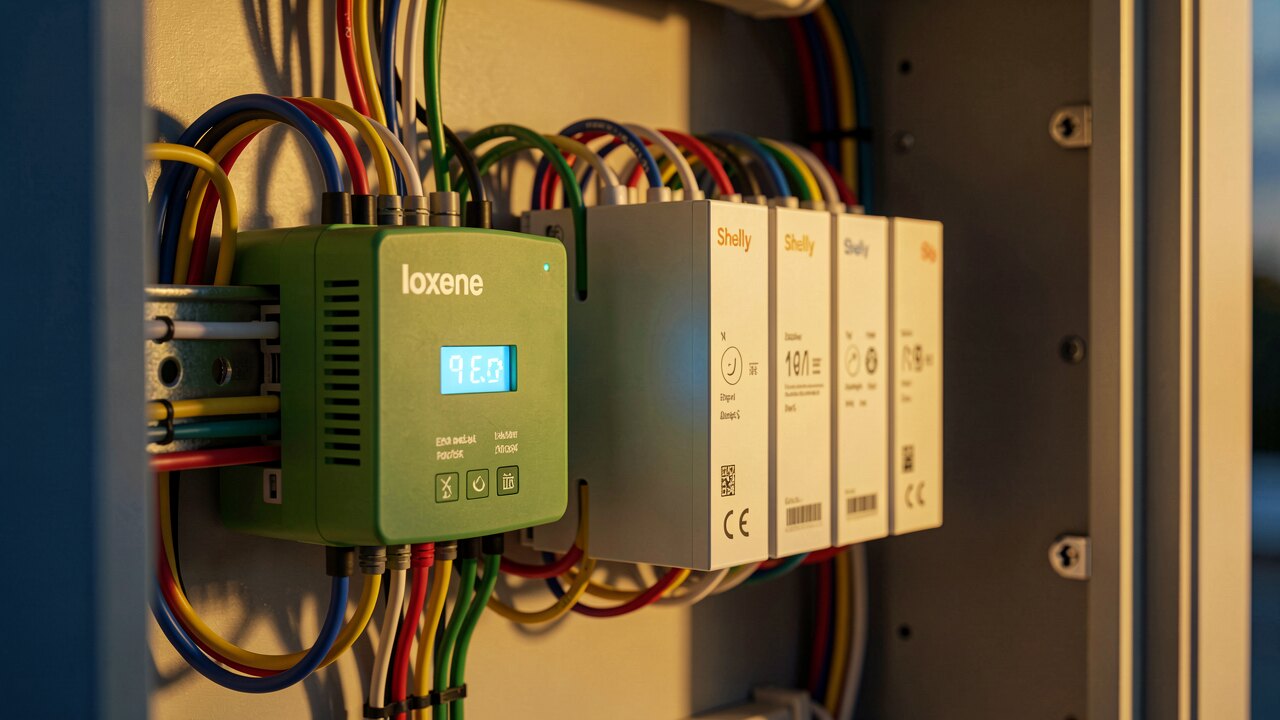
Every energy monitoring setup breaks down into the same four parts: (1) measurement hardware — meters, current sensors or clamps per circuit you want to see; (2) a gateway or data logger that collects the readings; (3) the software or cloud subscription that stores, visualises and analyses the data; and (4) installation and commissioning. What you pay is driven mostly by how many measurement points you need, not by the software itself.
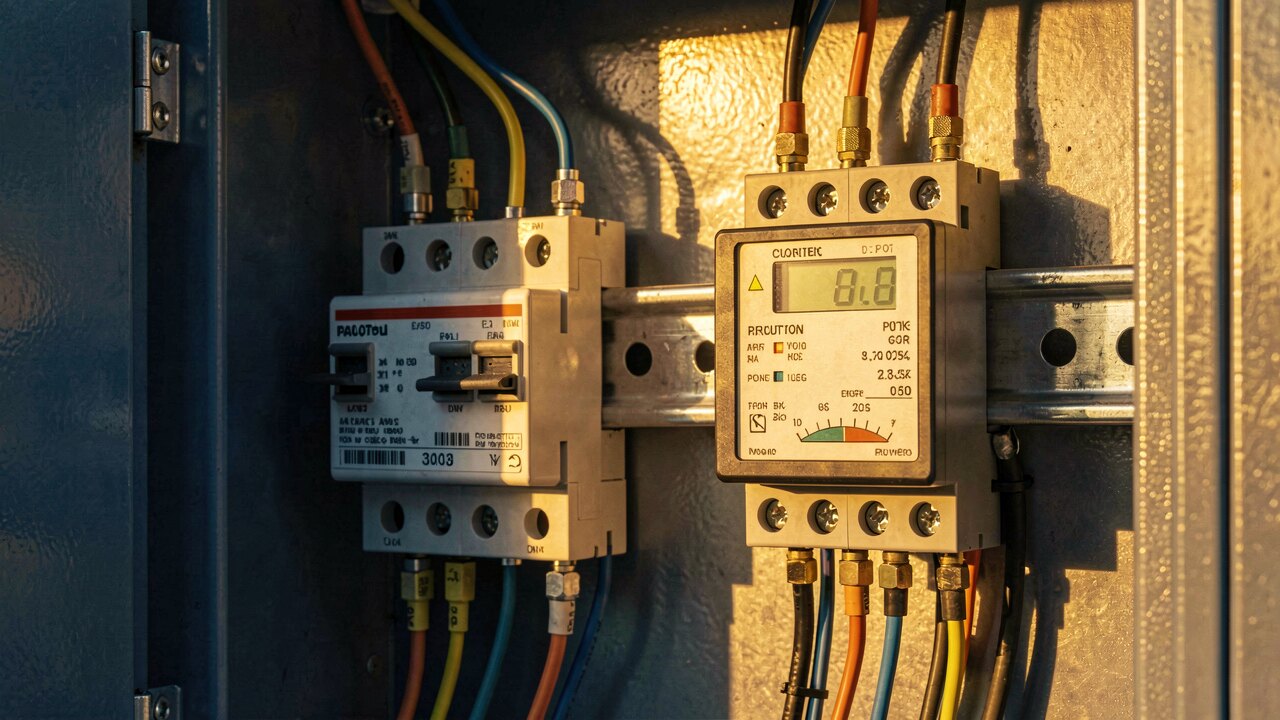
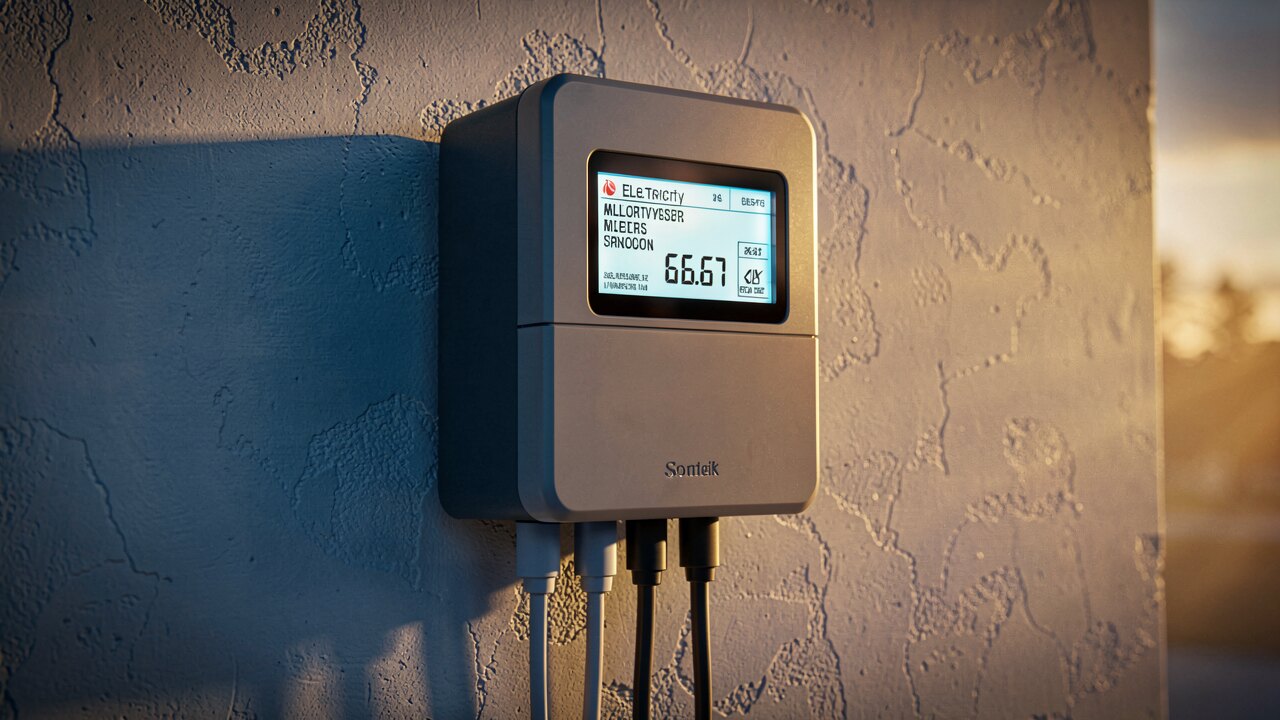
You do not need a full plant-wide rollout to begin. A single measurement point on your main supply, or on one big load like a heat pump, already reveals your biggest consumers. With Stromfee, a monitor for a heat pump can be installed in about a minute — start with one or two points, prove the savings, then expand. This keeps the initial cost low and avoids paying for sensors you don't yet need.
Costs rise with: the number of circuits or machines measured, high-accuracy or calibrated meters, sub-metering per production line, and any on-site wiring or electrician work. Costs stay low when you use plug-in or clamp sensors, monitor at the main meter only, and use a cloud subscription instead of on-premise software. Ask any provider for a per-measurement-point price so you can compare offers fairly.
Split the budget into a one-time part (sensors, gateway, installation) and a recurring part (software licence or cloud subscription, typically billed monthly or yearly). For a fair comparison over, say, three years, add the recurring fee three times to the hardware. A slightly higher subscription can still be cheaper overall if it removes the need for on-site servers and manual analysis.
Monitoring pays for itself by exposing waste you cannot see on a bill. Real-time data lets you spot inefficient equipment, shift consumption to cheaper self-generated hours, and cut avoidable grid draw. In one Stromfee case an operator optimised self-consumption and reduced its grid purchases, saving up to 40% of its energy costs. Your own saving depends on your load profile — treat 40% as a documented best case, not a guarantee.
Ask a provider to quote against a short list: how many measurement points, one-off hardware and installation, the monthly or yearly software fee, and whether existing meters can be reused. With those four figures you can build a simple payback estimate — expected annual saving versus total first-year cost — instead of relying on a generic price.