How to Use Surplus Solar Power Instead of Feeding It Back
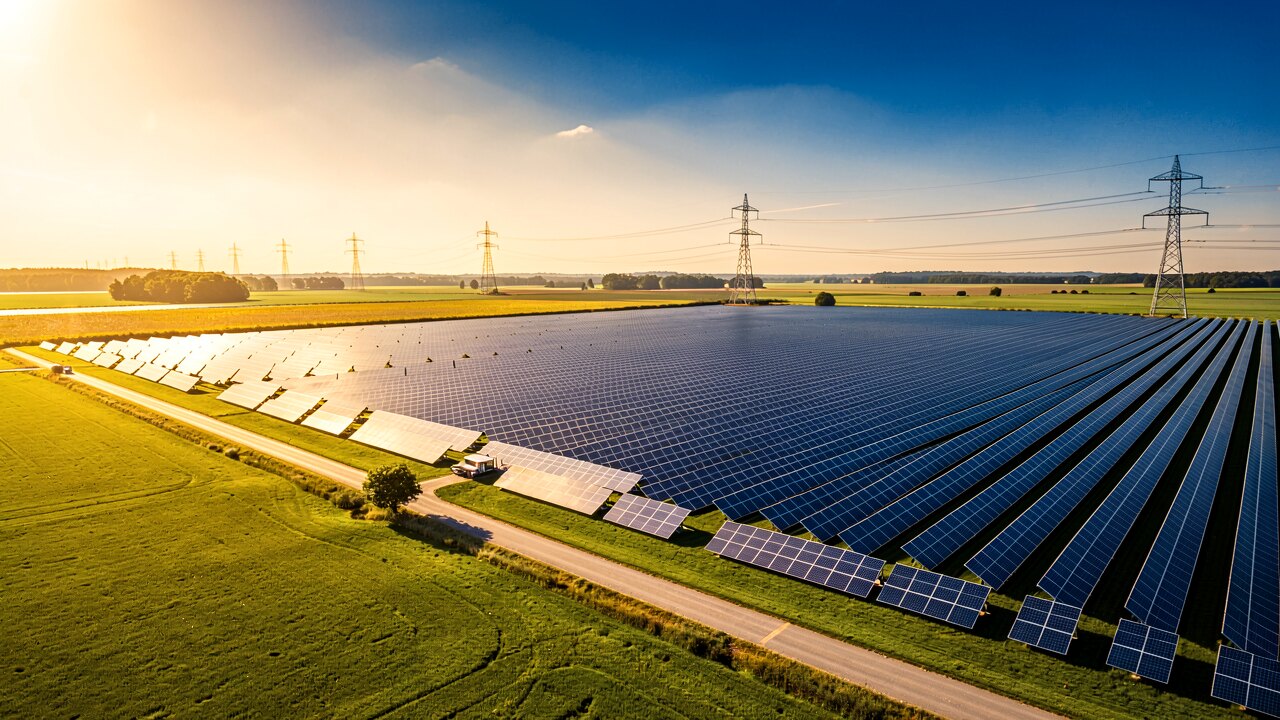
Surplus solar power is the electricity your panels make at midday but your home doesn't use right then. The goal is to shift that energy to when you need it — because using it yourself is worth far more than the small feed-in payment.
Without extra measures, a typical 10 kWp household uses only about 30% of its own solar power directly. The other 70% is fed into the grid for a low tariff (roughly 8 ct/kWh), while in the evening you buy it back at around 35 ct/kWh. Every kWh you use yourself instead of exporting is worth the difference.
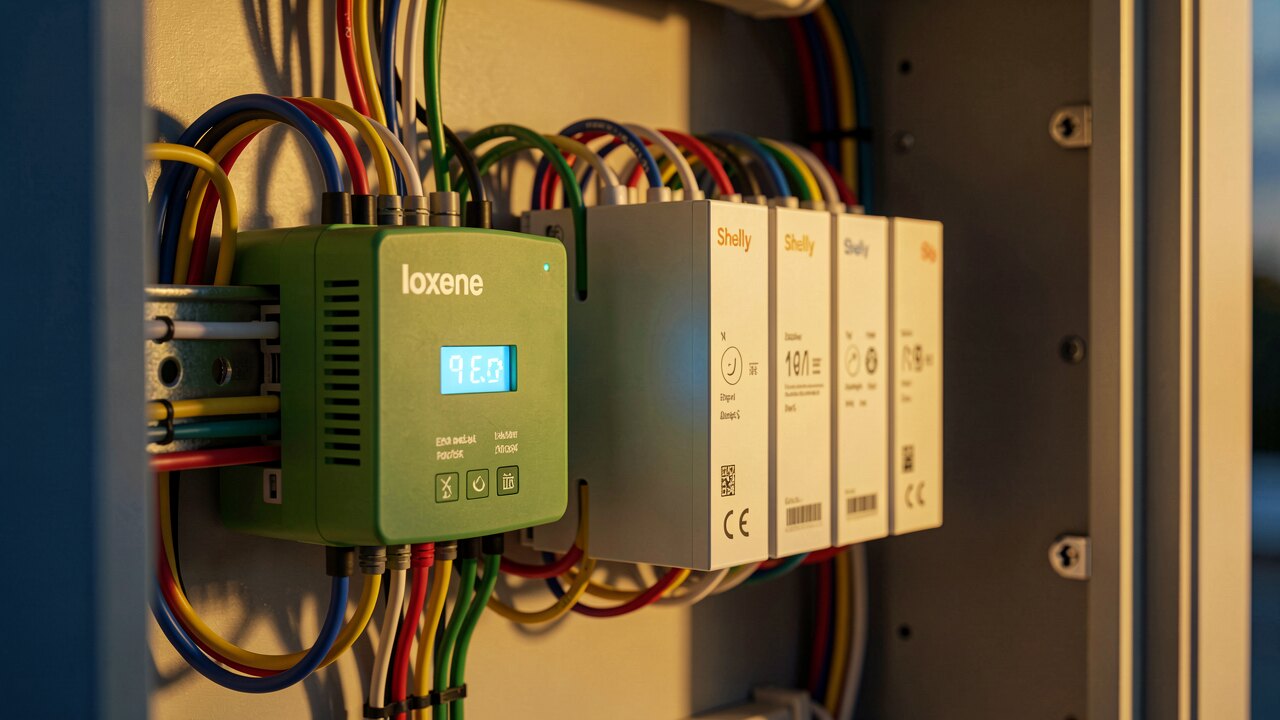
A home battery charges from your midday surplus and discharges in the evening. This is the single most effective step: it can raise self-consumption from ~30% to 70%+. A common pairing is a 10 kWp PV system with a 10 kWh battery, which can also push energy self-sufficiency toward ~65%.
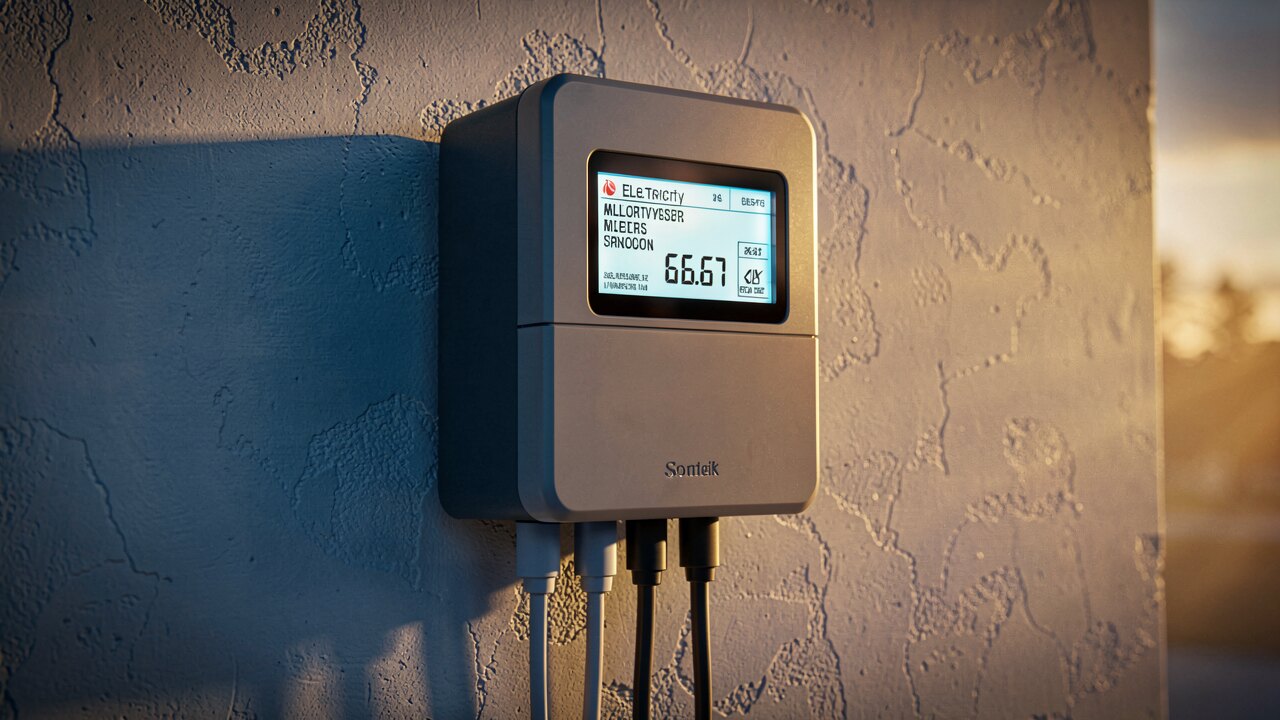
Run high-draw appliances while the sun is up: washing machine (~2.2 kW), dryer (~2.5 kW), dishwasher. A timer or a simple energy monitor lets you start them during peak solar hours so the surplus is consumed on the spot — no battery required.

Divert excess PV into a hot-water tank (via a heating element or heat pump) or run a heat pump during sunny hours. This stores solar energy as heat, which is cheap thermal storage compared with a battery and directly offsets gas or grid heating costs.
An EV is a large, flexible battery. Surplus-charging (PV-surplus / "solar" charging mode) only draws power the panels are actually exporting, so you fuel the car with electricity that would otherwise leave at the low feed-in rate.
Whatever you can't store, shift, or charge should still be exported rather than curtailed — you receive the feed-in tariff for it. Treat feed-in as the last option, after self-use, because its value per kWh is the lowest.