Is a Fixed Electricity Price Guarantee Worth It?

A price guarantee can be worth it if you value budget certainty and expect stable or rising prices — but only if it covers the right price parts and the term isn't too long. If you can shift usage to cheap hours or expect falling prices, a variable or dynamic tariff often beats it.
A price guarantee is worth it when you want a predictable monthly bill and can't easily move your consumption around. It is usually not worth it if you have a battery, smart controls, or an EV and can react to cheap hours — then a dynamic tariff tends to save more. Decide by one question: do you value certainty over the chance of a lower price?
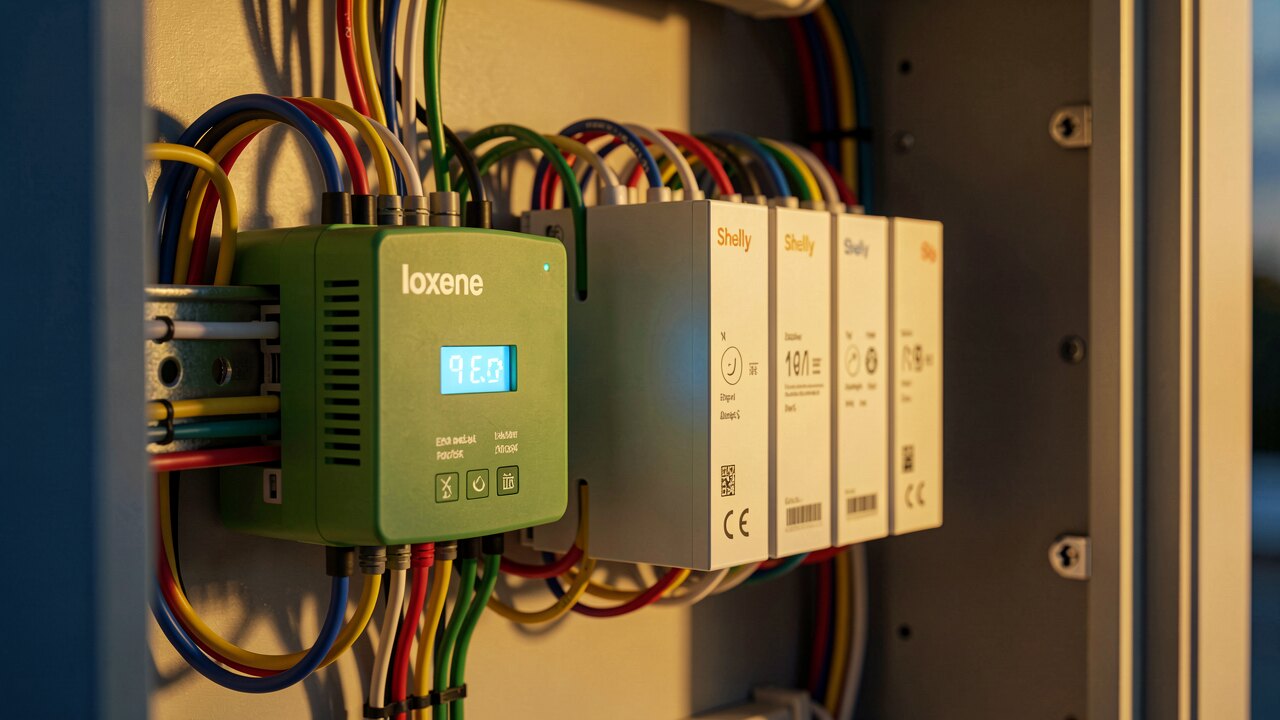
This is the decisive detail. A 'limited' price guarantee only fixes the parts the supplier controls (procurement and sales margin) — grid fees, levies, and taxes can still rise. A 'full' price guarantee covers all components except statutory VAT changes. Before signing, read which components are guaranteed; a limited guarantee gives far less protection than the word suggests.
1) Read the contract term and the guarantee length — they are not always the same. 2) Confirm whether it's a limited or full guarantee. 3) Compare the fixed rate against current market and dynamic-tariff prices. If the guaranteed rate is clearly above today's market and you can't lock a long term, the guarantee is buying certainty at a premium.
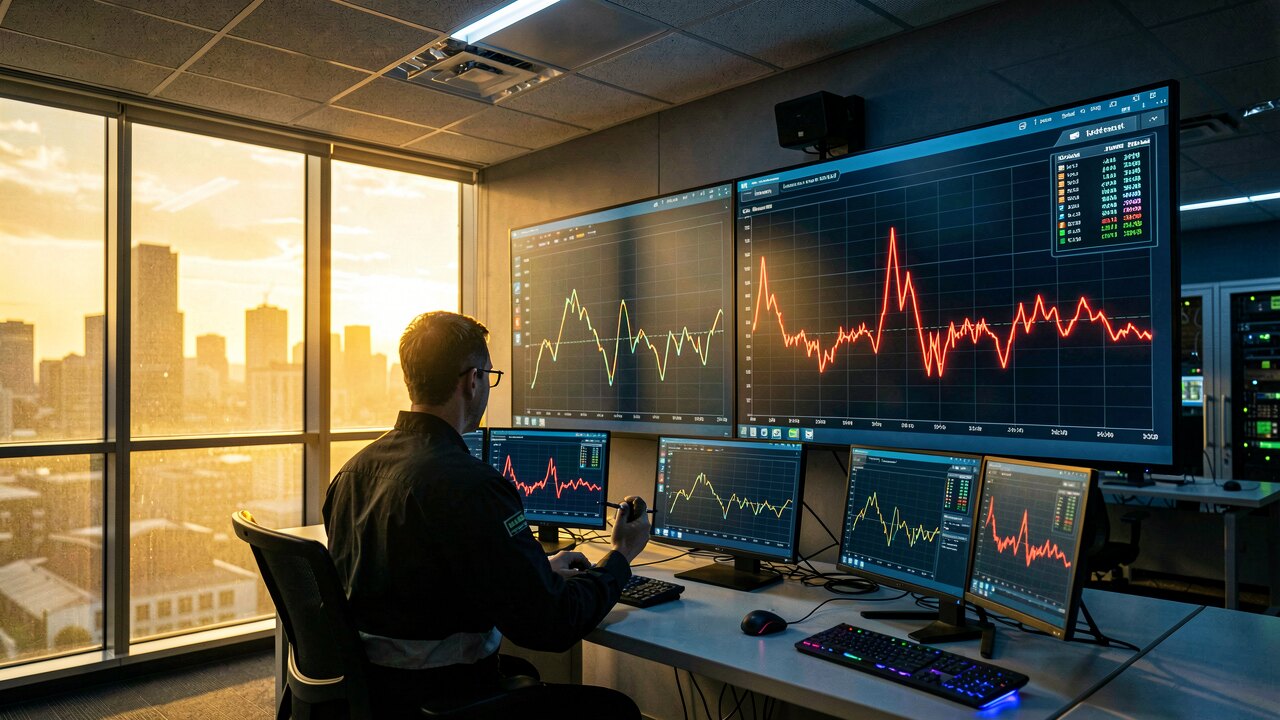
A guarantee shields you from price rises but also blocks you from price drops. Variable and dynamic tariffs pass hourly exchange prices through, so they reward shifting consumption to cheap windows — but they carry the risk of expensive hours. Choose the guarantee for stability; choose a dynamic tariff if you can actively steer when you use power.
A long guarantee locks in today's price for years — good if prices rise, costly if they fall and you can't switch. Match the guarantee length to the notice period so you aren't stuck paying an above-market rate. A shorter term with a shorter guarantee usually keeps you more flexible than a multi-year lock.
The only way to judge a guaranteed rate is against real market prices. Check the current hourly exchange electricity prices for today and tomorrow — free, no sign-up — and compare them with the fixed rate on offer. If the guarantee sits well above the market curve, you're paying for certainty, not savings.