Lastspitzenkappung (Peak Shaving): What Does It Cost?

Peak shaving has two price tags: the one-time cost of the equipment that caps your peaks (usually a battery storage system) and the demand-charge cost it removes from your grid bill. Whether it pays off depends on how high your single worst quarter-hour peak is versus the size and price of the system needed to shave it.
You pay upfront for a battery (or load-control system) and its installation; in return you stop paying a demand charge (Leistungspreis) that is billed on your highest 15-minute average power of the year. The saving is your peak reduction in kW multiplied by your grid operator's €/kW demand-charge rate. If the yearly saving covers the system's annualised cost, peak shaving pays. Ask your grid operator for your exact €/kW rate and read your recorded annual peak — those two numbers drive the whole calculation.
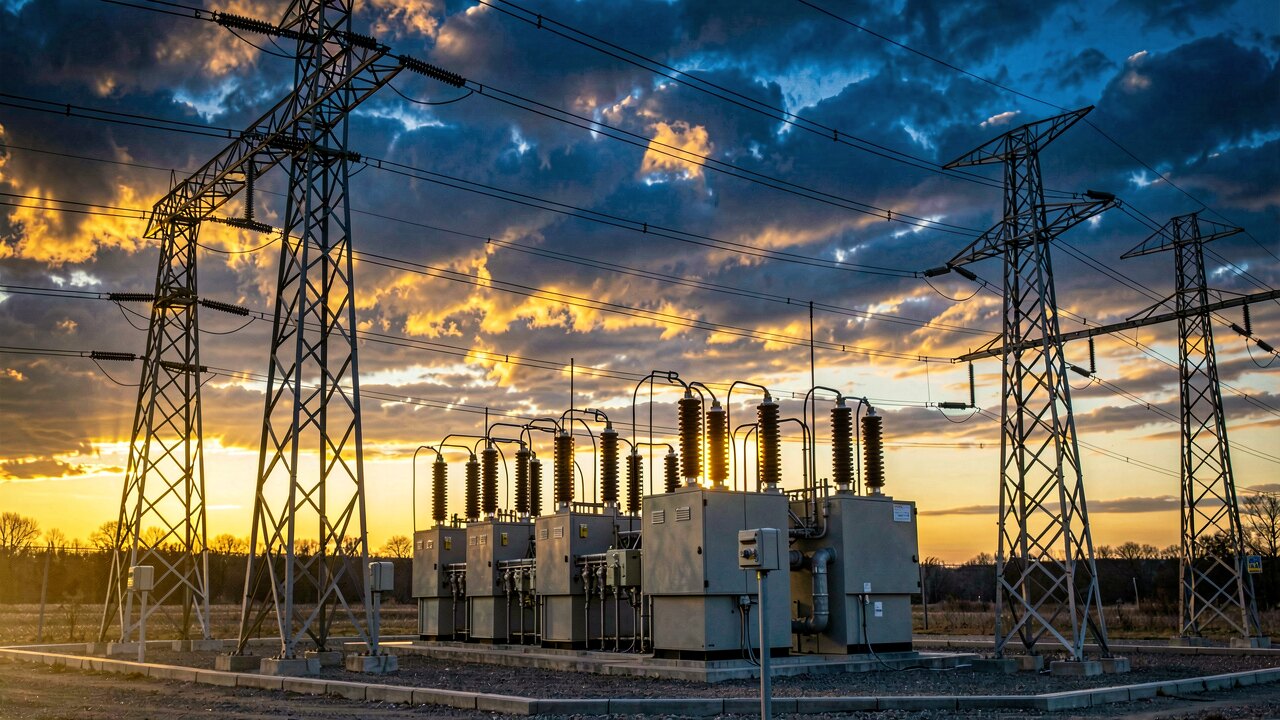
Your meter records a 15-minute average power value continuously. The grid operator takes the single highest of these values over the billing year and charges the demand price against it — a one-time uncontrolled start-up or machine peak can raise your grid fee for the following twelve months. This is why the 'cost' of NOT capping is often invisible on a per-kWh view: it hides entirely in the demand-charge line of your bill.

A peak-shaving battery is sized for the height (kW) and duration (kWh) of your typical peaks, not your total consumption. Short, sharp start-up peaks need high power but little energy — a smaller, cheaper battery. Long, sustained peaks need more stored energy and drive cost up. Correct sizing, an accurate load forecast, and the right discharge priority are what decide whether the storage actually catches the peak; an undersized or mis-prioritised system misses the peak and saves nothing.
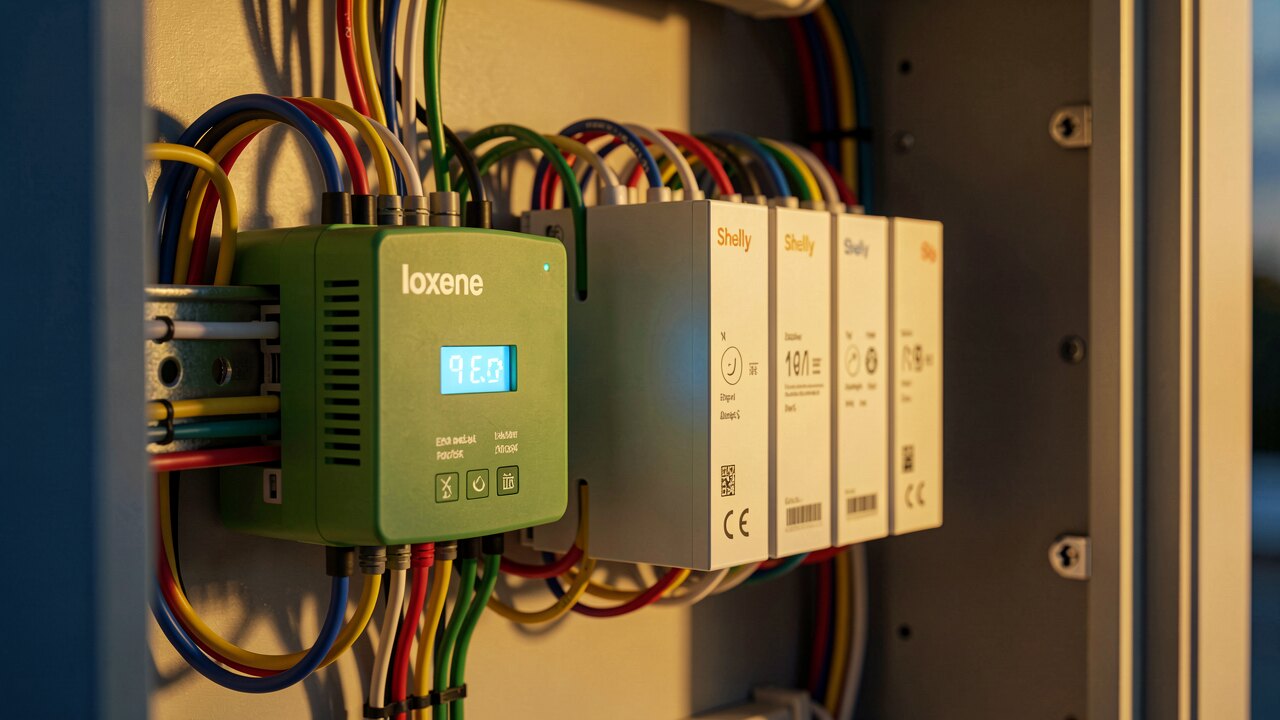
Budget for more than the battery cells: installation and grid connection, a controller/EMS that predicts and triggers discharge, metering, and ongoing operation. A cheaper alternative to storage is pure load management — shifting or interlocking loads so two big consumers never start at once — which can lower peaks with little or no hardware, but only where processes tolerate being delayed.
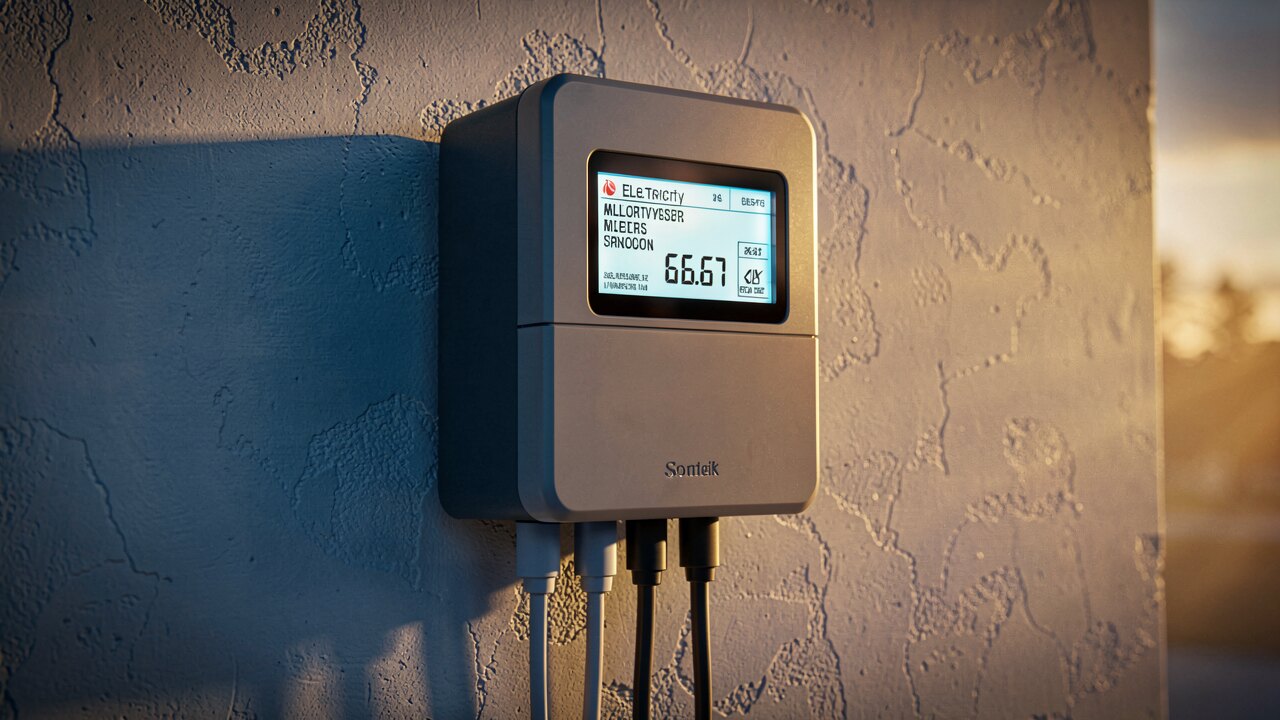
Peak shaving pays fastest for sites with a high, spiky annual peak and a high €/kW demand rate — there the avoided demand charge is large relative to the system needed. Sites with a flat, low load profile save little and rarely justify a battery on peak shaving alone. Do the honest arithmetic first: annual kW peak reduction × €/kW rate = yearly saving, compared against the annualised system cost.
Pull your interval (15-minute) load data and identify your real annual peak and how often you approach it. Get your grid operator's current demand-charge rate in €/kW. Then have the storage sized against that measured profile — not a rule of thumb — so the quoted investment matches the peak it actually has to cap. Only a costing built on your own measured peaks is trustworthy.