Marketing a Grid-Scale Battery (Großbatterie): The Basics
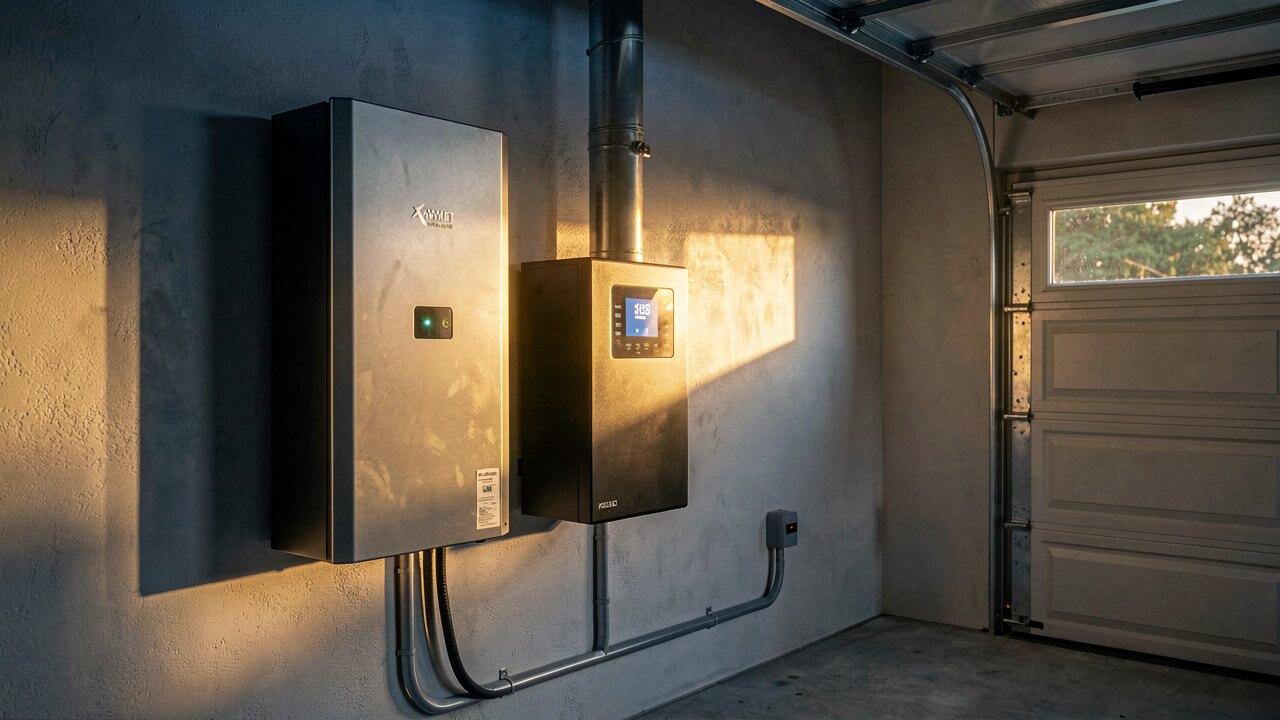
Marketing a grid-scale battery means selling its flexibility — charging and discharging — on electricity markets through a direct marketer (Direktvermarkter). The battery earns money by shifting energy from cheap hours to expensive ones and by providing balancing services to the grid.
A grid-scale battery (typically ≥1 MW) has no fixed feed-in tariff. Its revenue comes from trading its capacity on wholesale power markets. A direct marketer holds the market access and dispatches the battery: it buys electricity when prices are low, stores it, and sells when prices are high. You, the asset owner, receive the trading margin minus the marketer's fee. This is the core of "Vermarktung."
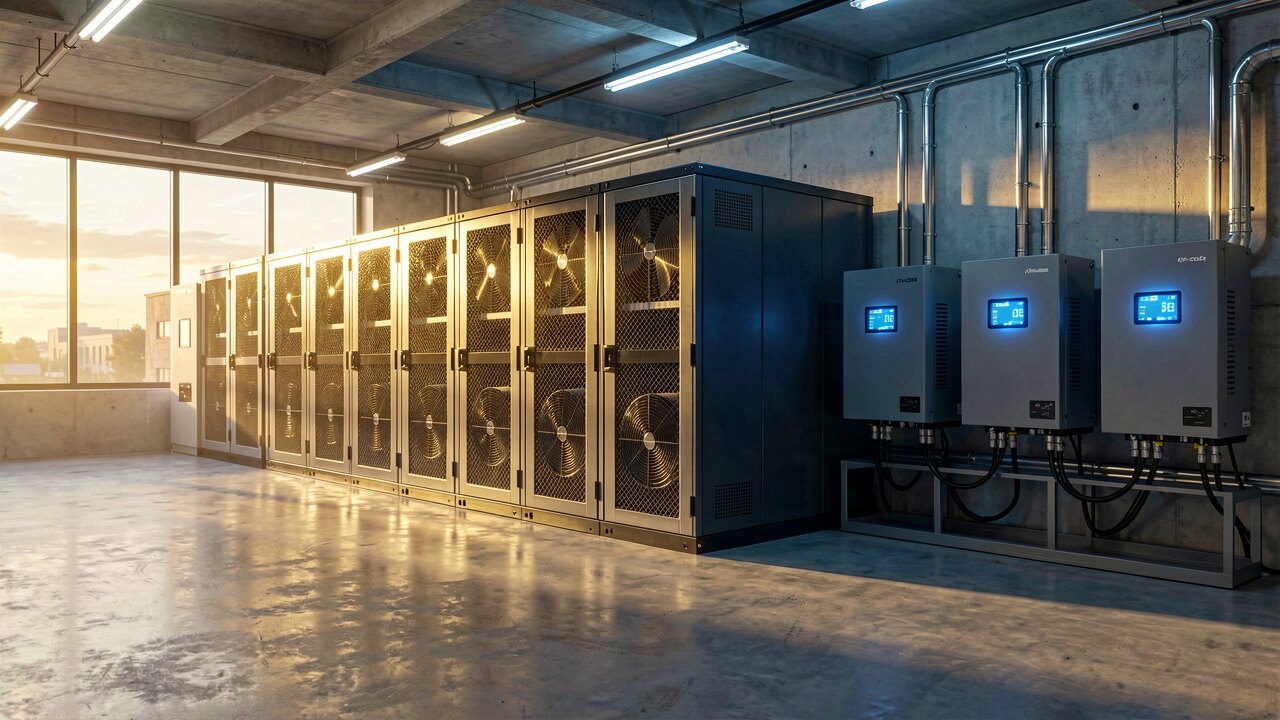
1) Sign with a direct marketer that has exchange and balancing-market access. 2) Connect the battery's control interface (e.g. Modbus register / vendor API) so it can be dispatched remotely and read live. 3) Agree an operating strategy (arbitrage, balancing power, or a mix). 4) The marketer allocates each time slice to the market with the highest expected value. 5) Settlement flows back to you, itemised per market.

A battery can address several markets — day-ahead and intraday wholesale (energy arbitrage), and balancing/ancillary services (frequency containment reserve FCR, automatic and manual frequency restoration reserve aFRR/mFRR). Crucially, one battery — or one time slice of it — can only be active in one market at a time. The art of marketing is allocation: routing each slice to where the money is right now.
Energy arbitrage exploits the price spread between cheap and expensive hours — the wider the daily spread, the more a battery earns per cycle. Balancing power pays the battery to stand ready to inject or absorb energy on short notice to stabilise grid frequency; here you are often paid for availability, not just for energy delivered. Most operators blend both to smooth revenue and reduce cycle wear.
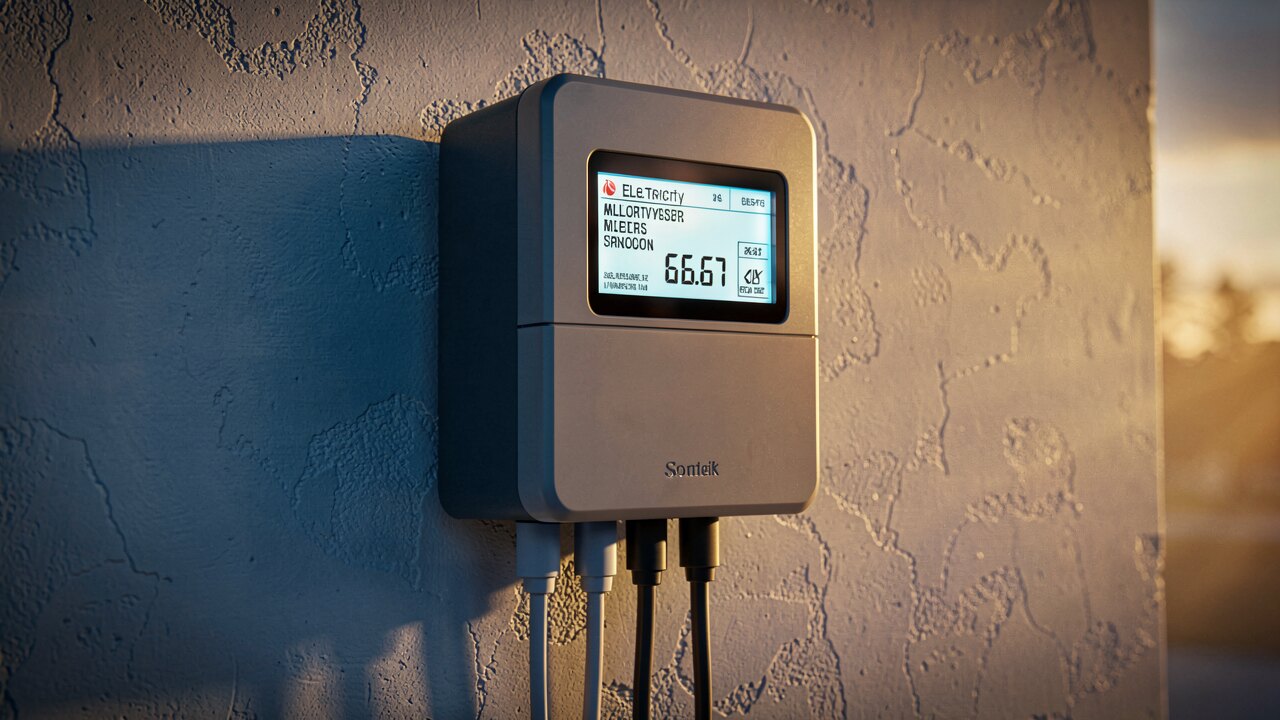
To know whether your marketer is delivering, you need to see the raw plant data — state of charge, throughput, and revenue per market — not a filtered vendor portal. Values read directly from the battery's Modbus register let you compare actual earnings against the theoretical revenue maximum computed from public market data. That comparison shows how much of the potential is really reaching your account.
Because market prices are public, the theoretical best-case revenue of any ≥1 MW battery can be modelled from historical price curves and the battery's power and capacity (e.g. a 10 MW / 20 MWh system). This "revenue maximum" is a benchmark, not a guarantee — real earnings depend on dispatch quality, forecast accuracy, availability, and fees. Use it to hold your marketing strategy accountable.