Negative Electricity Prices: What They Are and What to Do
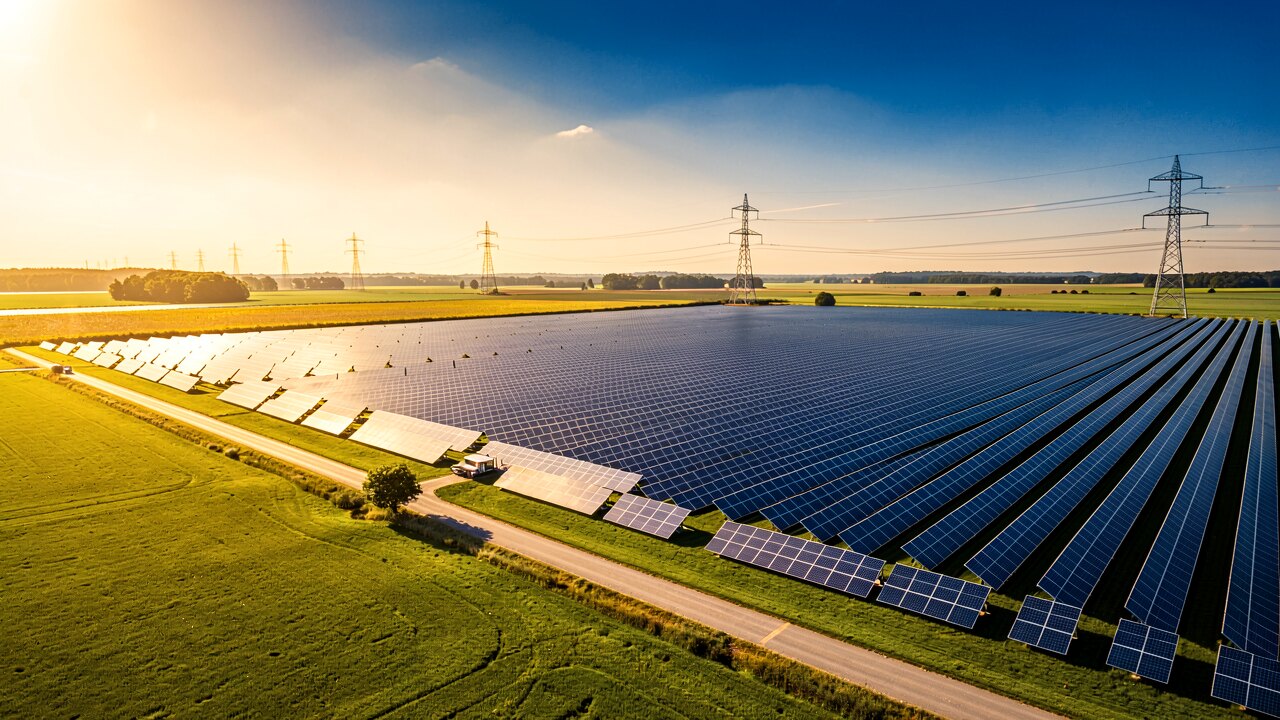
A negative electricity price means the wholesale (day-ahead / intraday) price on the power exchange drops below zero, so sellers effectively pay to hand power to the grid. It happens when generation — mostly solar and wind — exceeds demand and inflexible plants cannot ramp down fast enough.
On the spot market, price is set by supply and demand for each hour (or 15-minute block). When renewable output is high and demand is low — sunny, windy weekends or holidays around midday — supply overshoots and the clearing price can fall below €0/MWh. At that point a producer selling into the market receives a negative amount: they pay the buyer to take the electricity.

Usually no. During negative prices, the cost of selling power to the grid can be higher than any benefit you get from it — you may end up paying instead of earning. If your system can, it is generally better to stop exporting, store the energy in a battery, use it yourself (self-consumption), or curtail the inverter until the price recovers above zero.
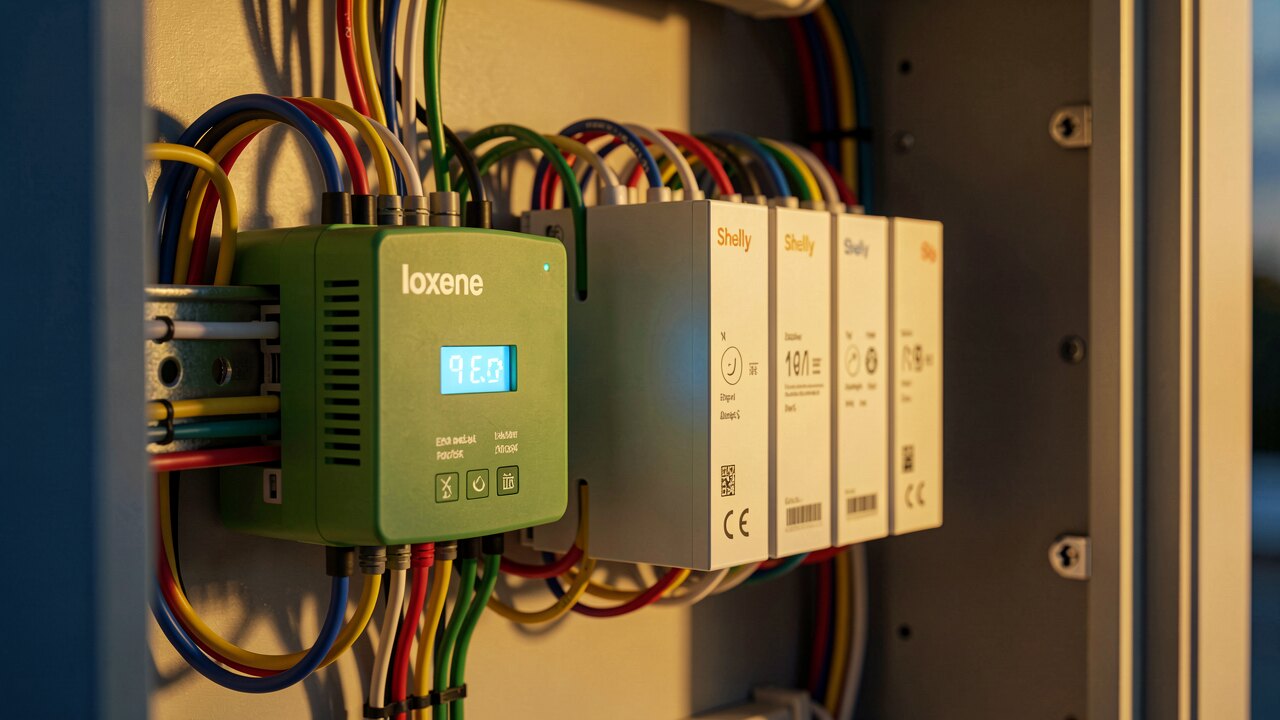
Three conditions line up: very high renewable feed-in, low demand, and 'must-run' plants that are slow or costly to switch off. Rather than shut down and restart, some generators accept a negative price to keep running. As more solar and wind capacity is added, hours with negative prices tend to become more frequent.
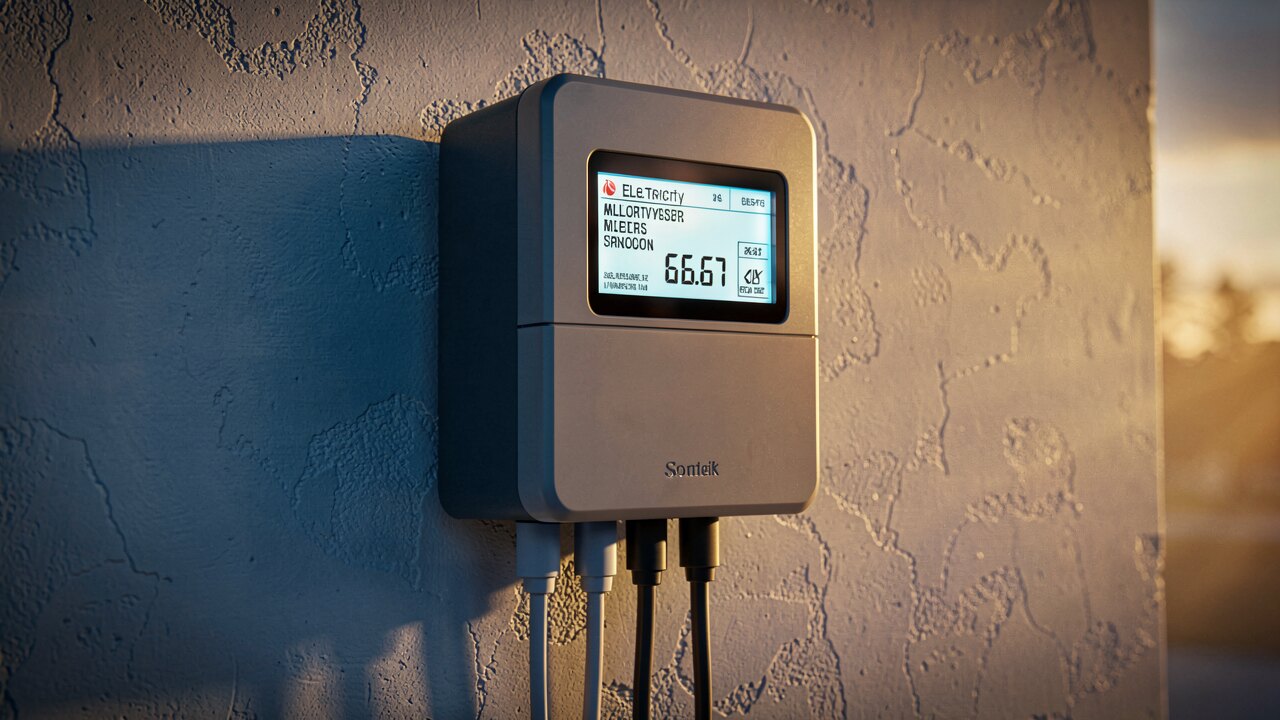
Practical options during negative-price windows: shift flexible loads (heat pumps, EV charging, industrial processes) into those hours to consume cheap or paid-to-take power; charge a battery storage system for later; or automatically curtail export. The key is knowing the price signal in advance so the reaction is automated, not manual.
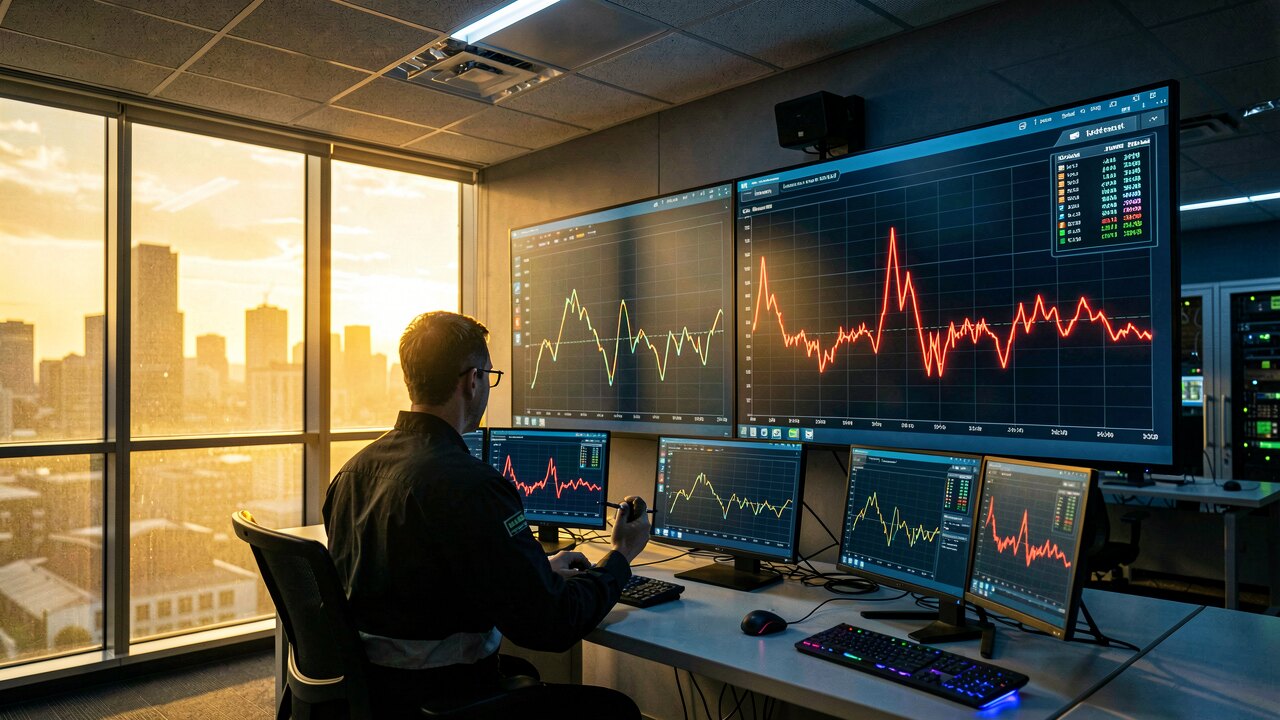
For subsidised renewable plants, support schemes can pause payments during sustained periods of negative prices, so exporting then earns little or nothing. Exact thresholds and rules depend on your specific tariff and the current regulation — check your contract and the applicable law before assuming you are still paid. Treat any planned future tightening as 'planned' until it is in force.
Negative prices are a problem only if you export blindly. With a battery, smart self-consumption, and price-based control, the same hours become an opportunity: you avoid loss-making exports and can even be paid to charge or consume, then use that stored energy when prices are high again.