Netzdienlichkeit batterie: when is a battery actually grid-serving?
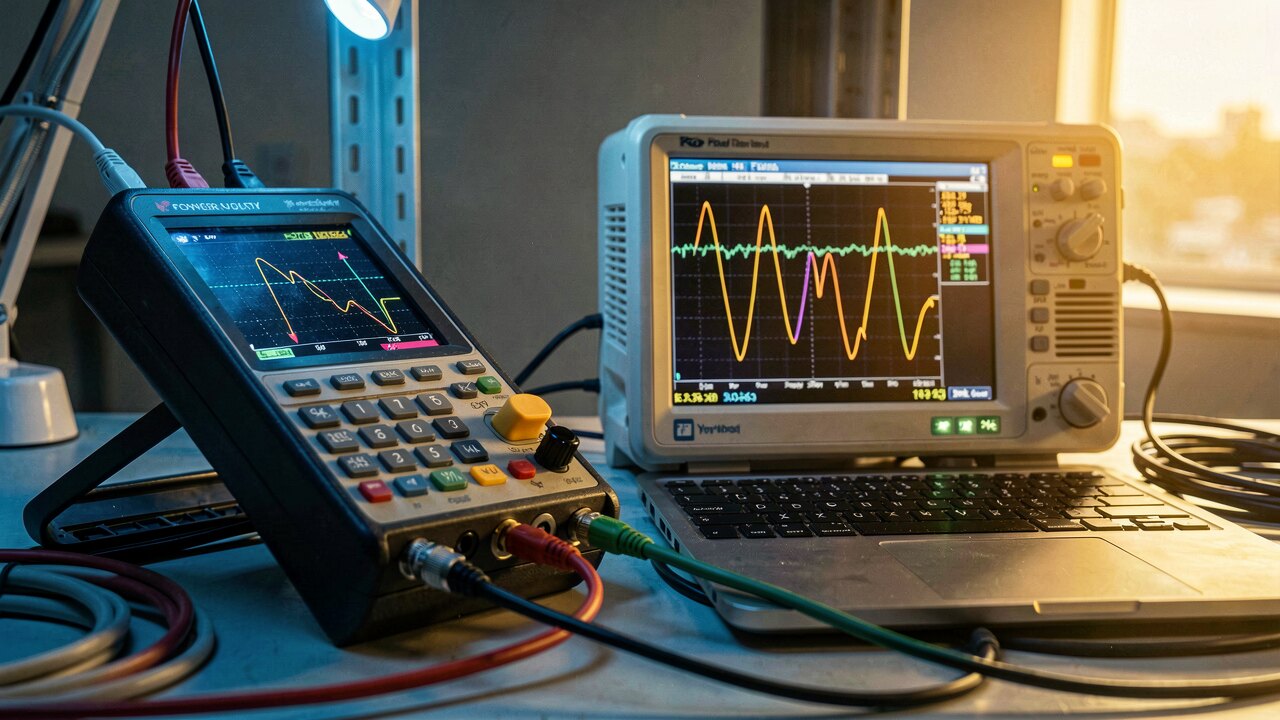
"Netzdienlichkeit" is the German term for grid-serving behaviour: a battery is netzdienlich when it charges and discharges in a way that relieves the grid it is connected to, instead of only optimising the owner's own bill. The test is not the hardware — it is whether the dispatch reacts to a grid signal (a limit, a tariff, an operator setpoint) rather than only to a price or a self-consumption target.
Two behaviours are often confused. Market-serving (marktdienlich) means the battery follows the wholesale price: charge when day-ahead prices are low, discharge when they are high. Grid-serving (netzdienlich) means the battery follows the physical state of the local grid: it absorbs power when the feeder is congested with generation, holds back when the feeder is loaded, keeps the connection point inside its agreed limit, and supports voltage. The two usually align — cheap hours are typically surplus hours — but not always. When they conflict, only the behaviour that answers the grid signal is netzdienlich.

In practice grid-serving reduces to four measurable behaviours at the point of interconnection. (1) Peak shaving: the battery caps import and export peaks so the grid connection capacity you occupy is smaller than your installed power. (2) Absorbing feed-in surplus instead of forcing curtailment of a PV or wind plant behind the same connection. (3) Reactive power support: the inverter runs a cosφ(P) or Q(U) characteristic to hold voltage, as required for German grid connection under VDE-AR-N 4105 (low voltage) and VDE-AR-N 4110 (medium voltage). (4) Following the operator: responding to a setpoint, a flexible connection limit, or a redispatch instruction rather than ignoring it.
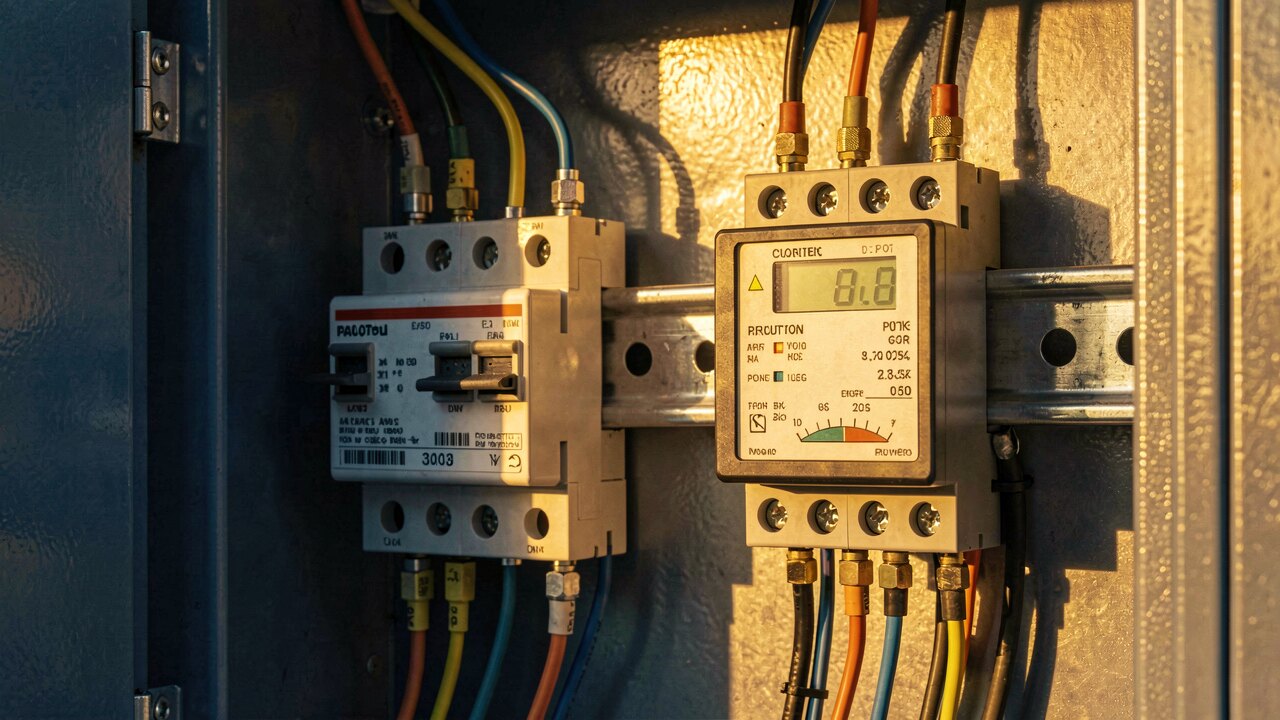
Netzdienlichkeit is claimed at the grid connection point, so that is where you have to show it. The calibrated grid meter (Netzzähler) at the point of interconnection measures active, reactive and apparent power and is the billing reference — the operator's truth, not your inverter's log. A defensible proof looks like this: a time series of active power at the meter, the agreed limit plotted on top of it, and the count of intervals where the battery moved to keep the trace under that limit. If your evidence lives only in the PCS or the battery management system, expect the operator to discount it.
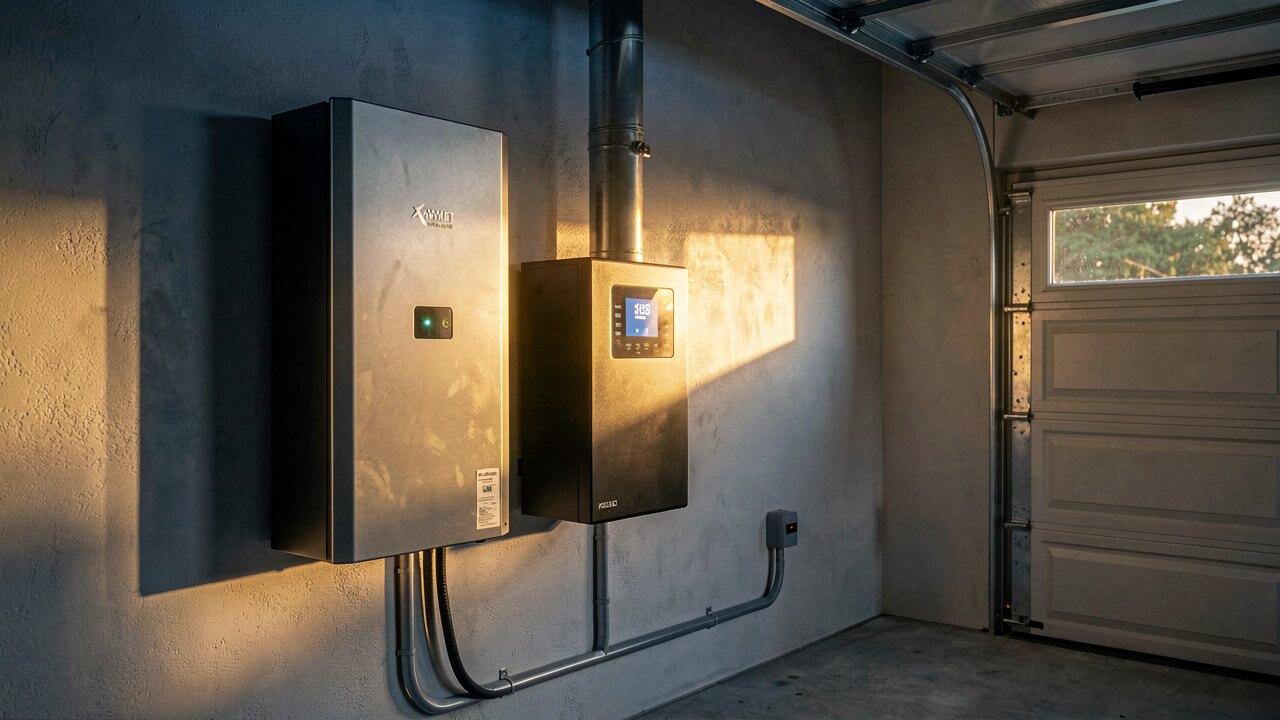
Grid-serving behaviour earns money in three ways, and only the first is a payment. Ancillary services (in Germany: FCR/aFRR prequalification) pay directly for capacity you hold available. Grid charges are the second path — cost avoidance rather than revenue: a smaller booked connection capacity and, where applicable, reduced network fees for controllable consumption under §14a EnWG. Third, a battery that absorbs surplus prevents curtailment losses of the generator behind the same connection. Which path dominates depends on your connection level and your load profile — run the numbers on your own meter data before assuming any of them.
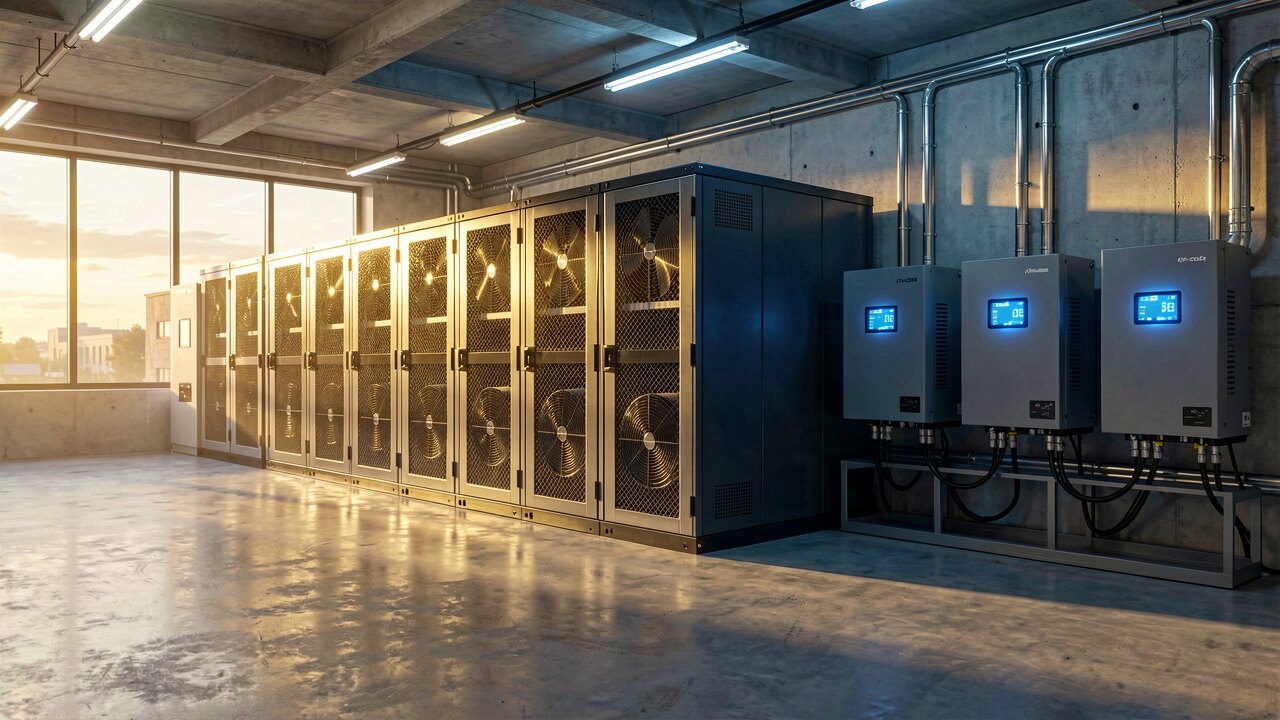
Increasingly, grid-serving is not a bonus but the condition of connection. Portugal is a worked example: standalone batteries connect under written agreements with the operator and pay regulated tariffs set by ERSE's Tariffs Regulation, and ERSE Directive No. 3/2025 establishes conditions for restricted-access (non-firm) agreements for storage facilities, with REN's February 2025 guidelines governing capacity reservation for storage in the connection process. Portugal published its non-firm connection framework in February 2025. The trade is the same everywhere it appears: you accept curtailment when the grid is tight, and in exchange you connect years earlier than a firm connection would allow.
Three decisions determine whether your battery can be grid-serving at all. First, the control interface: the PCS must accept an external active and reactive power setpoint, and you need to know the Modbus registers it exposes before signing — a battery that cannot be told what to do cannot follow a grid signal. Second, metering: a calibrated meter with a readable interface at the interconnection point, not just an inverter-internal estimate. Third, the control loop's reference: point it at the grid meter, not at the battery. If the controller regulates against the meter, peak shaving and limit-following are the same function and both come for free.