🚢Cruise Ships
The world's 25 largest cruise ships — floating cities with their own microgrid.
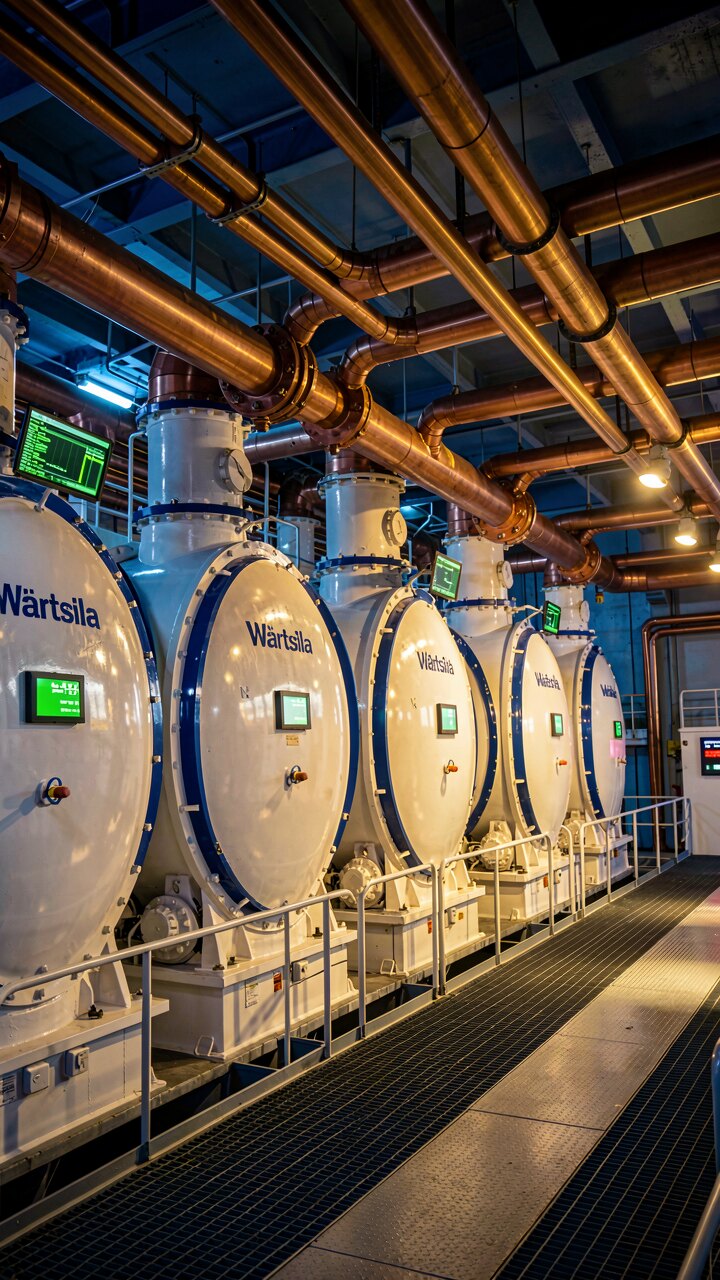
Icon of the Seas
At 250,800 GT, Icon of the Seas is the world's largest cruise ship (Royal Caribbean, since Jan 2024). Six LNG engines deliver ~96 MW installed power; three 20 MW Azipod drives propel the 365-m vessel. On board: 7,600 passengers, 2,350 crew, 93% self-produced freshwater via SWRO.
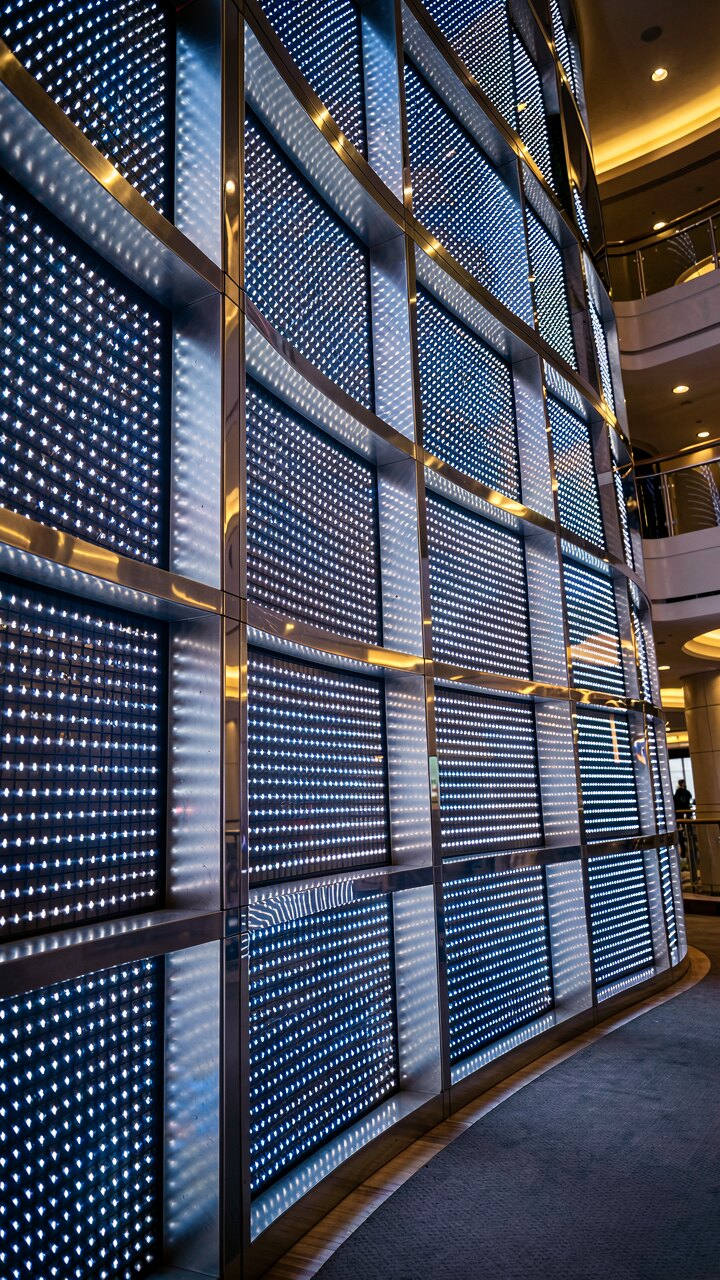
Star of the Seas
Star of the Seas is the sister ship of Icon of the Seas (Icon-class, Royal Caribbean), in service since 2025. Identical specs: 250,800 GT, 365 m length, ~96 MW installed power, LNG-fuelled.
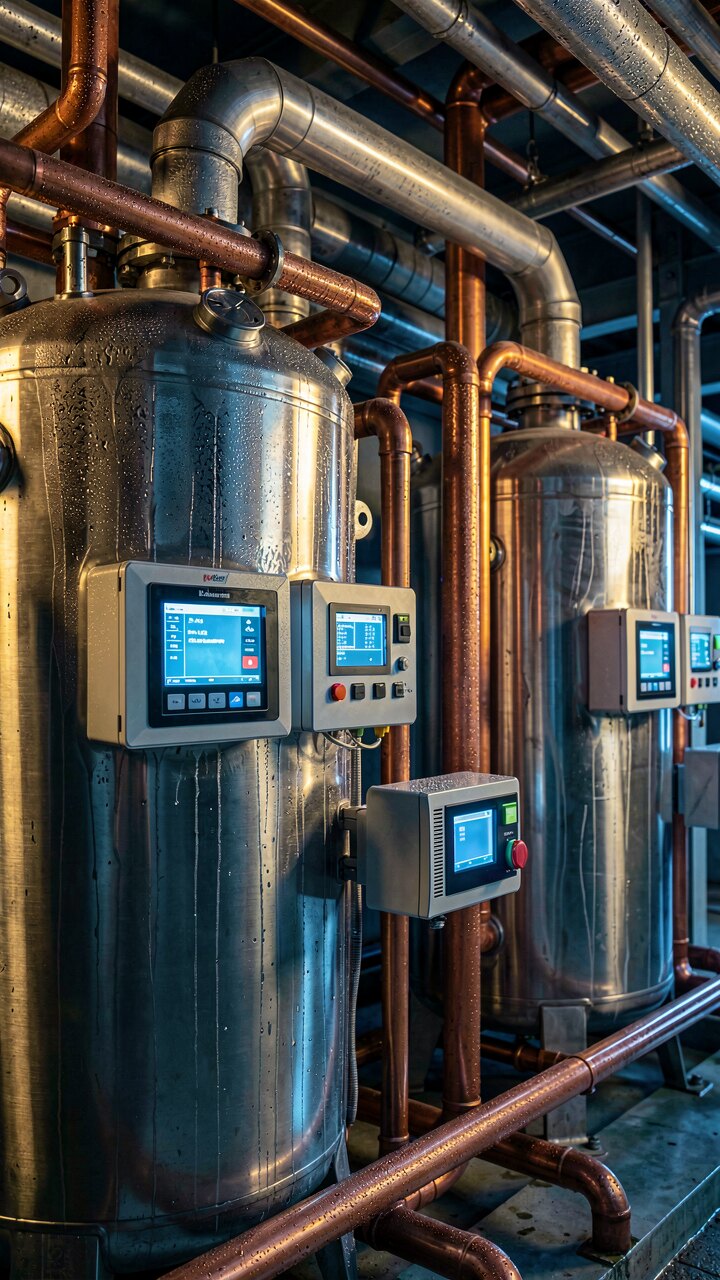
Utopia of the Seas
Utopia of the Seas (Oasis-Plus Class, Royal Caribbean) at 236,473 GT is the sixth Oasis ship and the first to feature the new Wärtsilä 46TS-DF engines. In service since summer 2024 from Port Canaveral.
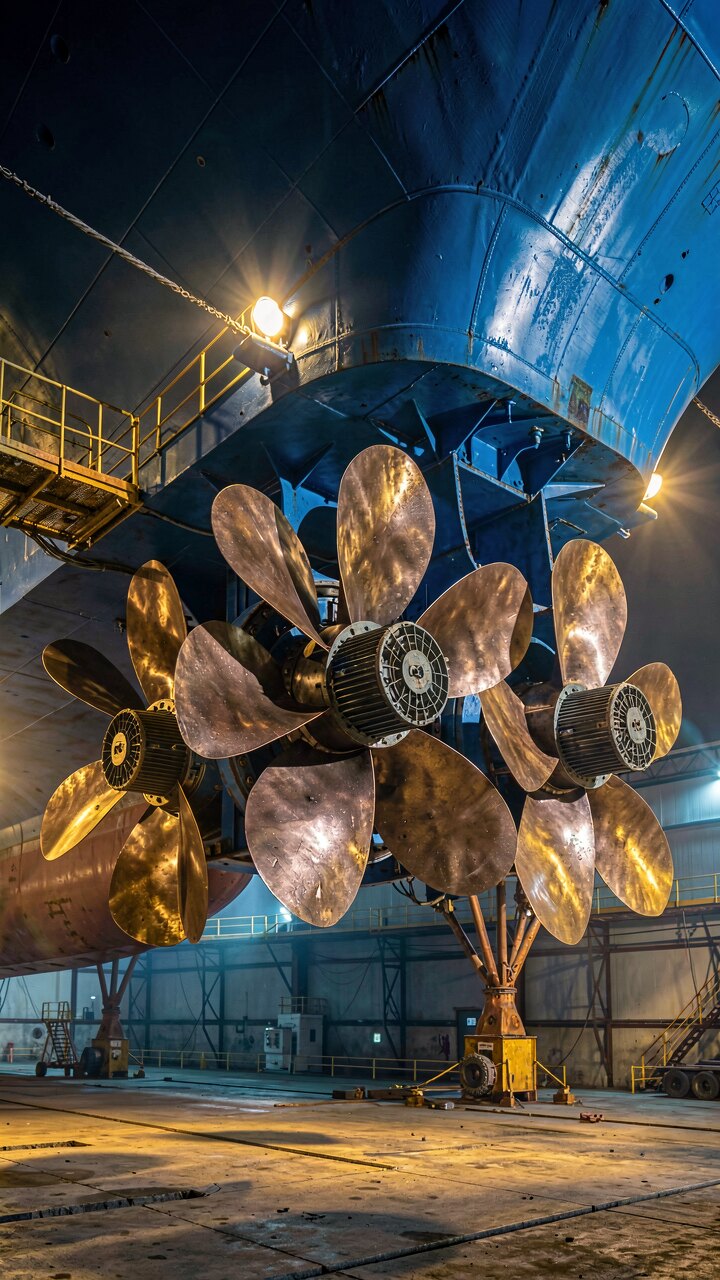
Wonder of the Seas
Wonder of the Seas (235,600 GT, Royal Caribbean, since 2022) was the world's largest cruise ship at launch. Three 20 MW Azipod drives + four 5.5 MW bow thrusters — ~82 MW for propulsion alone.
Symphony of the Seas
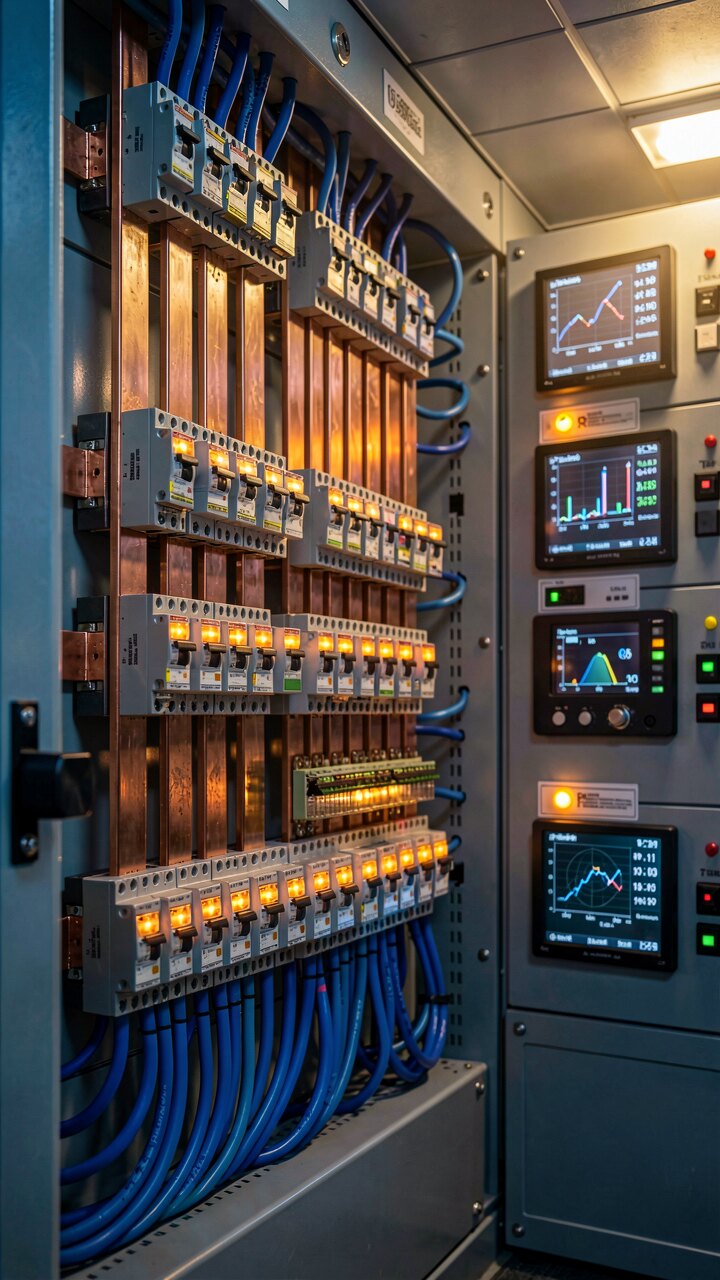
Symphony of the Seas (228,081 GT, Royal Caribbean, since 2018) carries up to 6,680 passengers. As an Oasis-class vessel it shares ~96 MW installed engine capacity with its sisters.
Harmony of the Seas
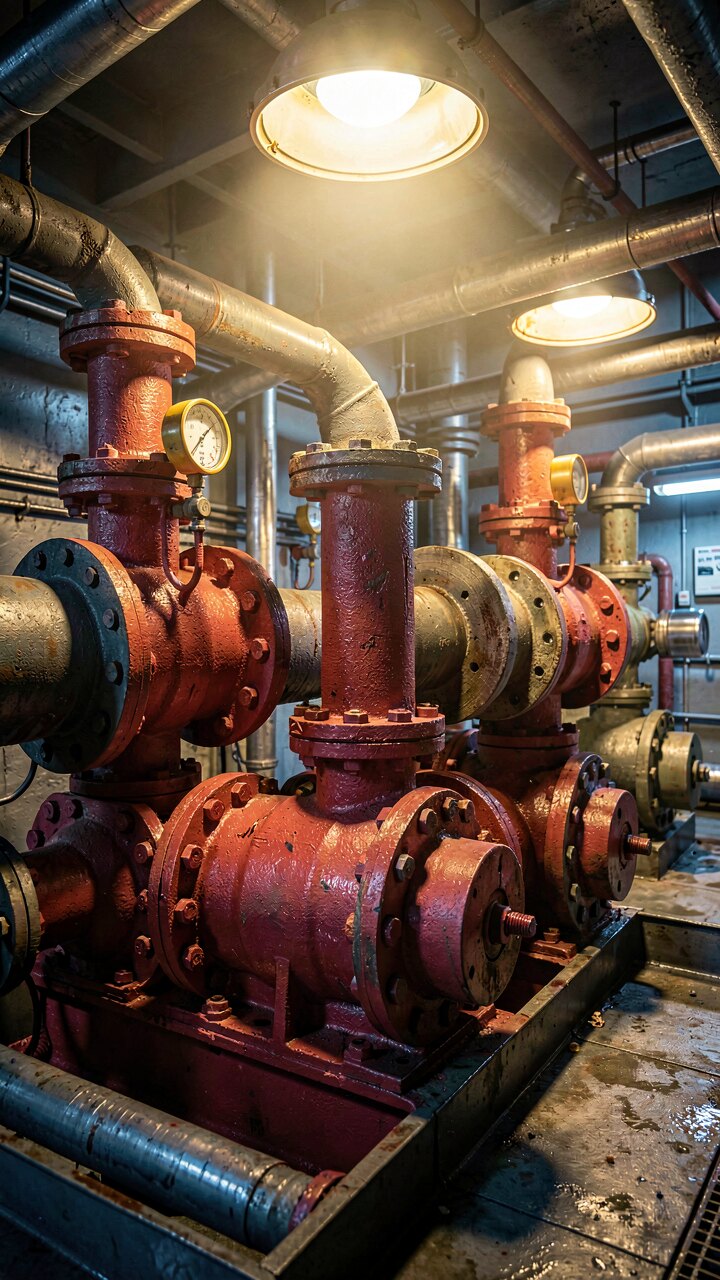
Harmony of the Seas (226,963 GT, Royal Caribbean, since 2016) was the world's largest ship at launch. It was the first Oasis-class vessel built with LNG tank provisions for future conversion.
Oasis of the Seas
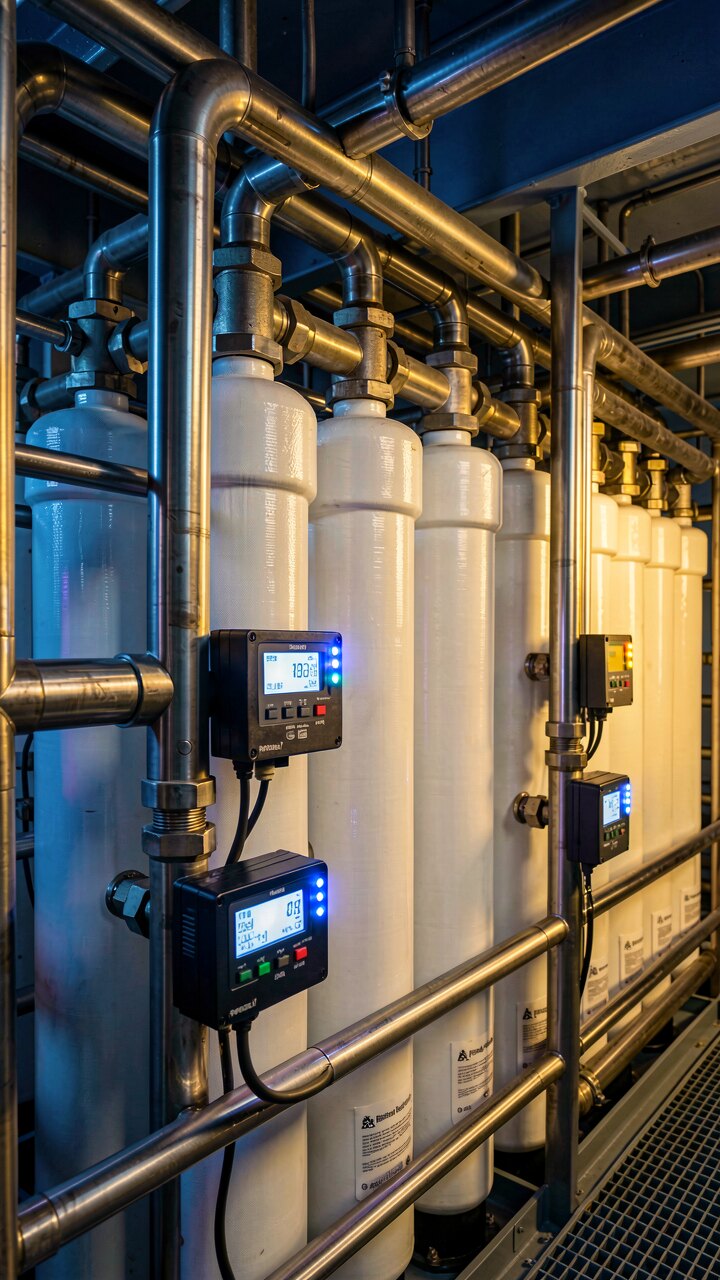
Oasis of the Seas (226,838 GT, 2009) was the first ship ever to exceed 200,000 GT — a paradigm shift in cruise ship design. Today it ranks seventh in the world.
Allure of the Seas
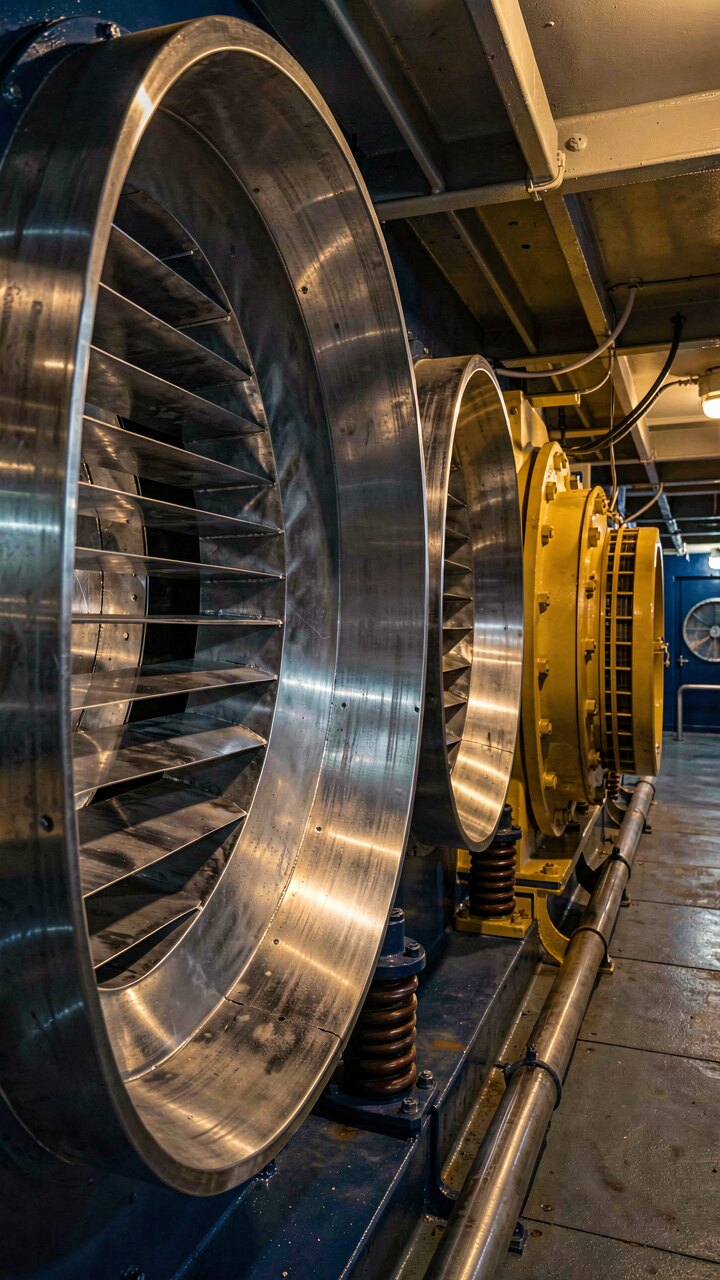
Allure of the Seas (226,637 GT, Royal Caribbean, since 2010) is the near-twin of Oasis of the Seas. A 2020 refurbishment included a complete LED lighting upgrade.
MSC World America
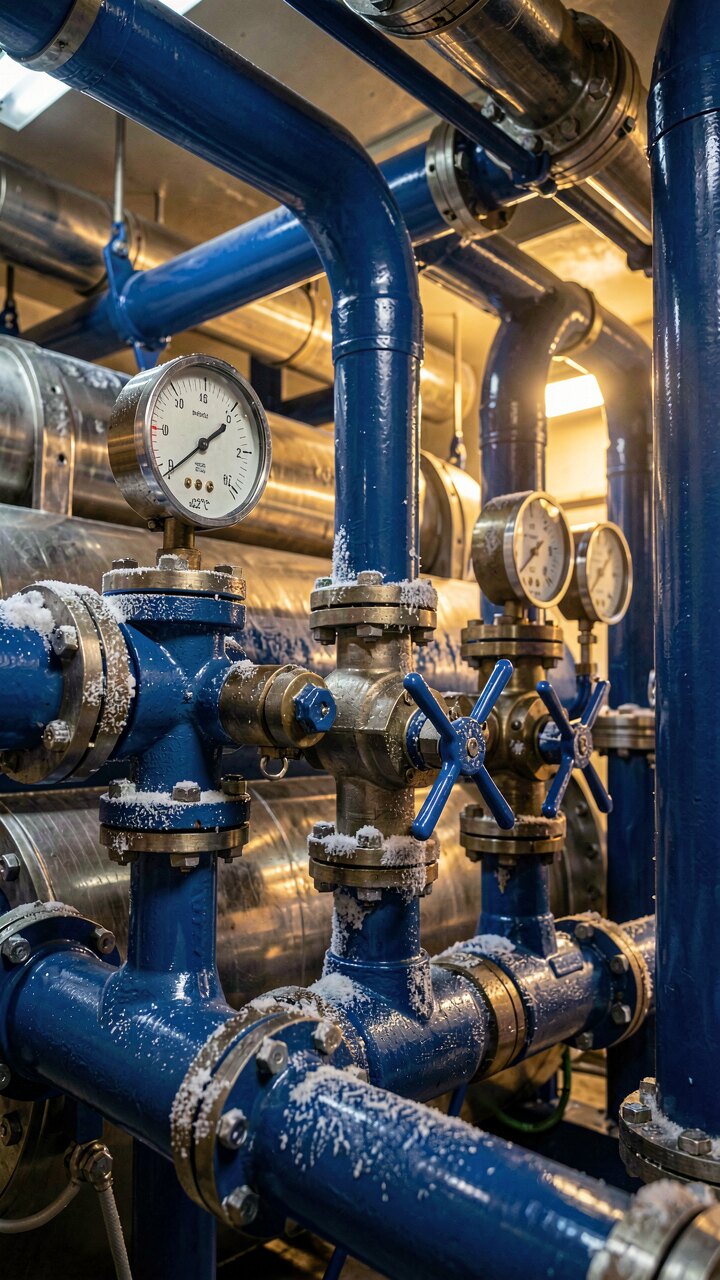
MSC World America (216,638 GT, MSC Cruises, since 2025) is the second World-class vessel. LNG-powered, 333 m long — and the largest ship permanently home-ported in the USA (Port Miami).
MSC World Europa
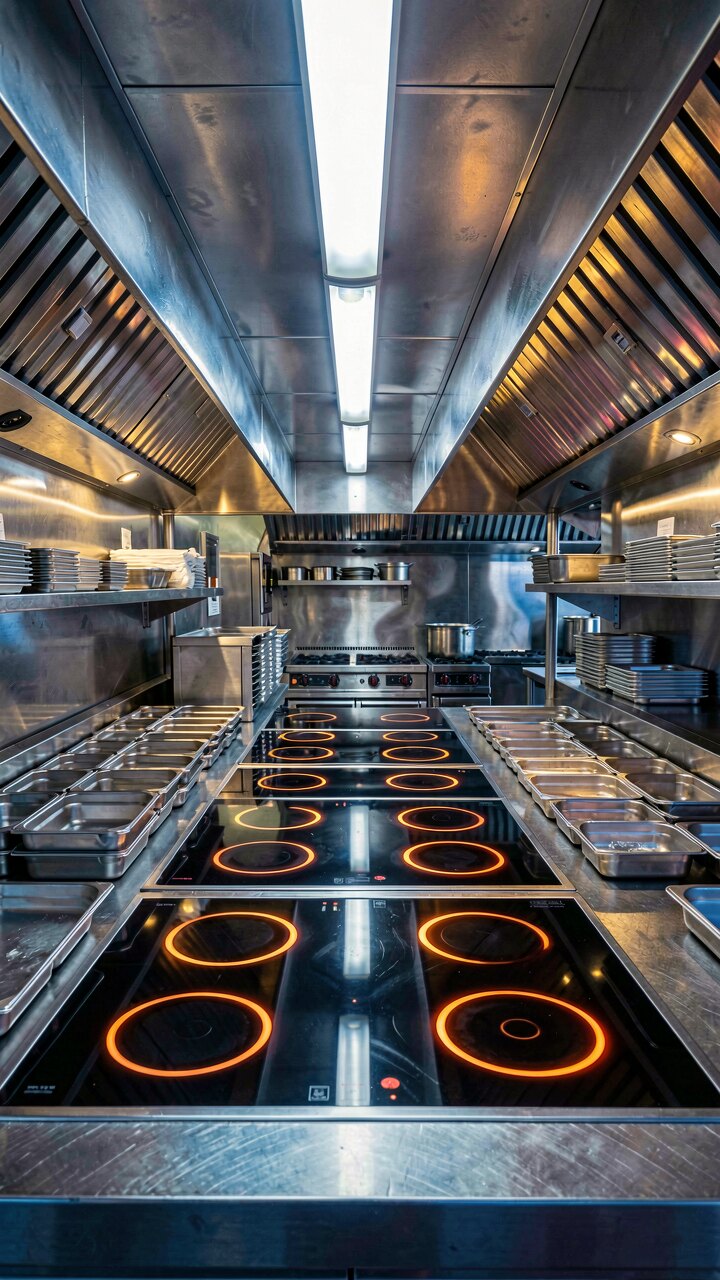
MSC World Europa (215,863 GT, MSC Cruises, since Dec. 2022) was the first World-class ship and MSC's first LNG vessel. Up to 6,850 passengers, 22 decks, 333 m length.
Costa Toscana
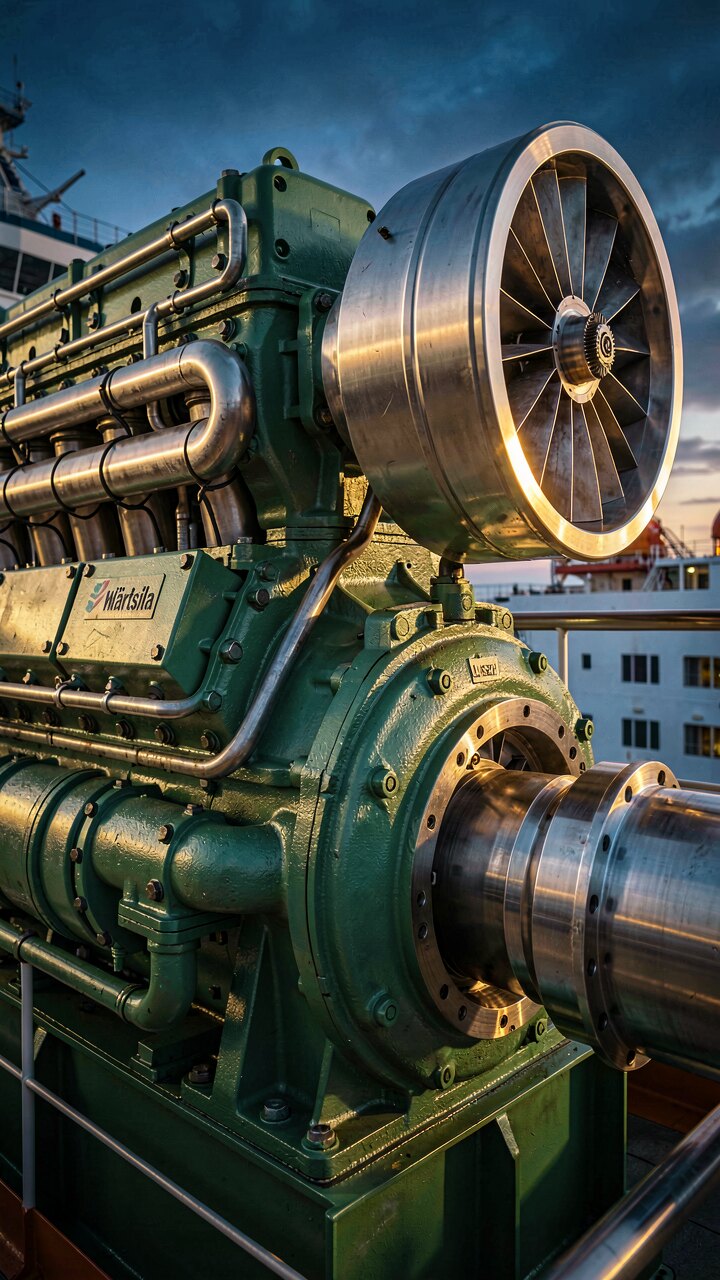
Costa Toscana (186,364 GT, Costa Cruises, since 2021) runs on LNG and at 337 m is the largest ship ever built for Costa. Four Wärtsilä LNG engines deliver ~62 MW.
Arvia
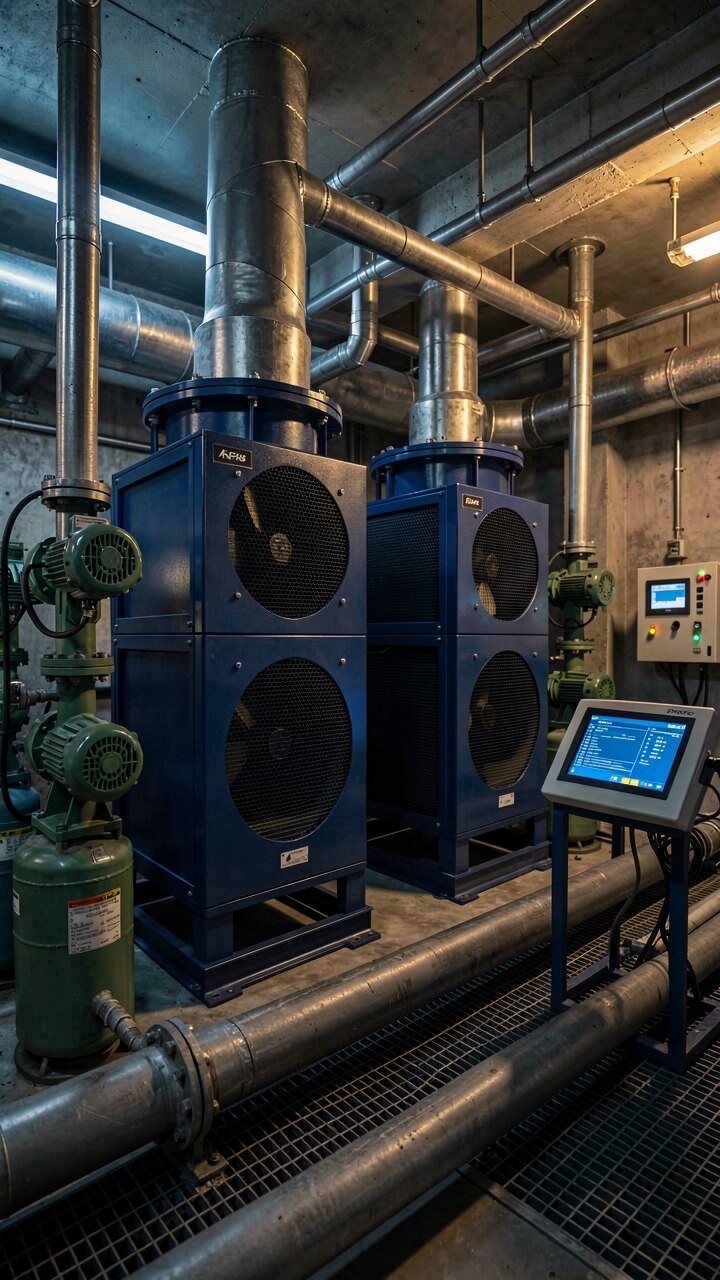
Arvia (185,581 GT, P&O Cruises, since 2022) runs on LNG and is the largest ship ever built for P&O Cruises. As an Excel-class vessel it shares engineering with Iona, Mardi Gras and Celebration.
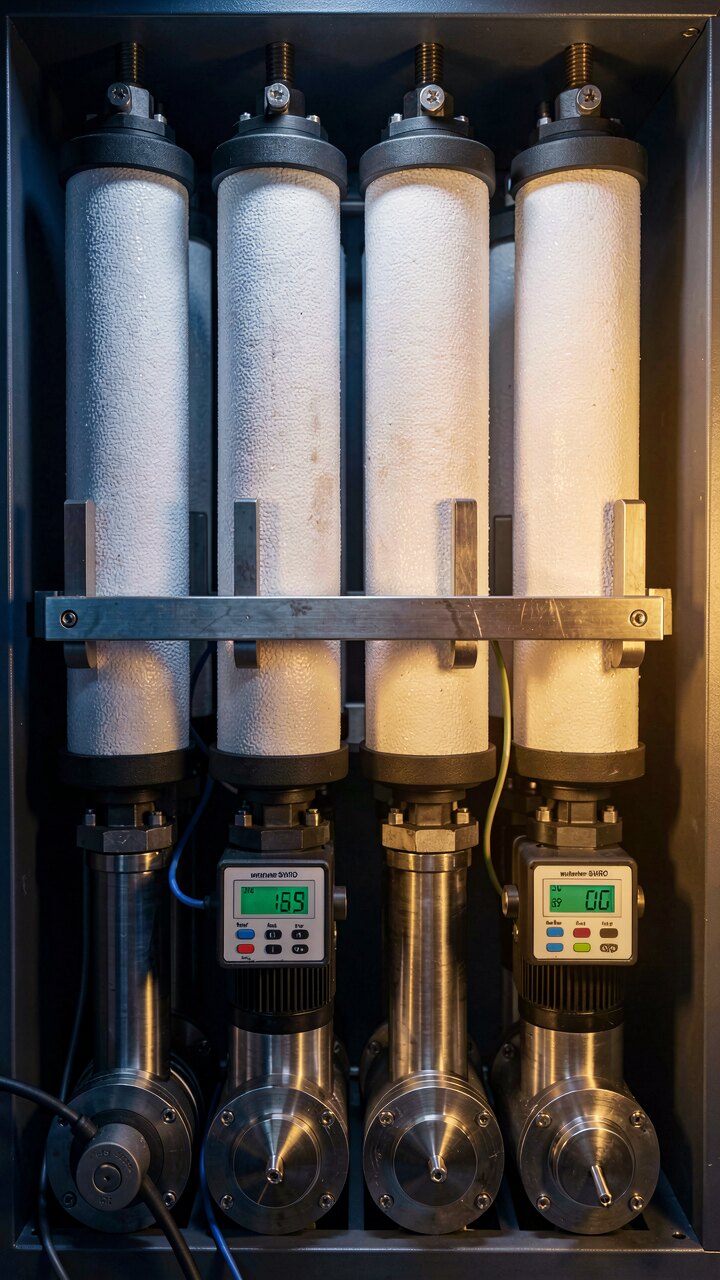
Costa Smeralda
Costa Smeralda (185,010 GT, Costa Cruises, since 2019) was the world's first large LNG cruise ship. Four Wärtsilä LNG engines, ~62 MW — a trailblazer for the entire industry.

Iona
Iona (184,089 GT, P&O Cruises, since 2021) runs on LNG, is 344 m long and is home-ported in Southampton. It serves up to 6,685 guests — equivalent to a medium-sized German town at sea.
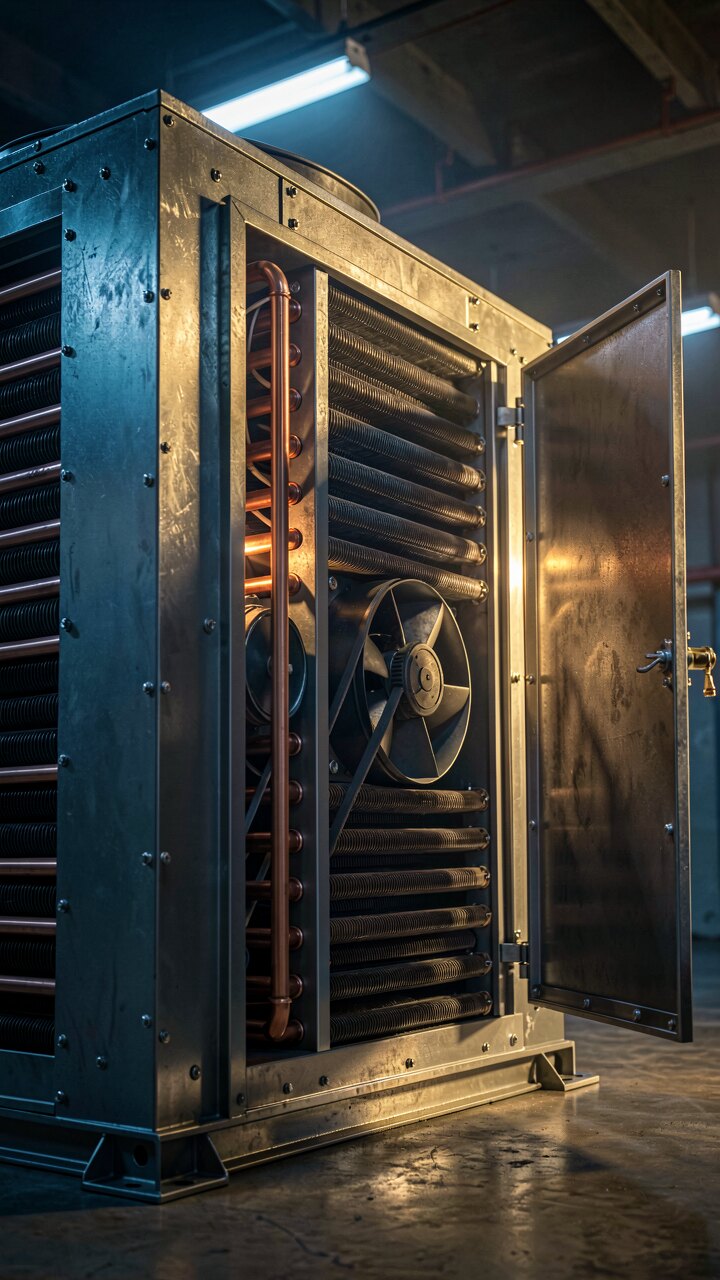
MSC Euribia
MSC Euribia (184,011 GT, MSC Cruises, since 2023) runs on LNG and was the first MSC ship to trial bio-LNG in commercial operation. Named after the Greek sea deity.
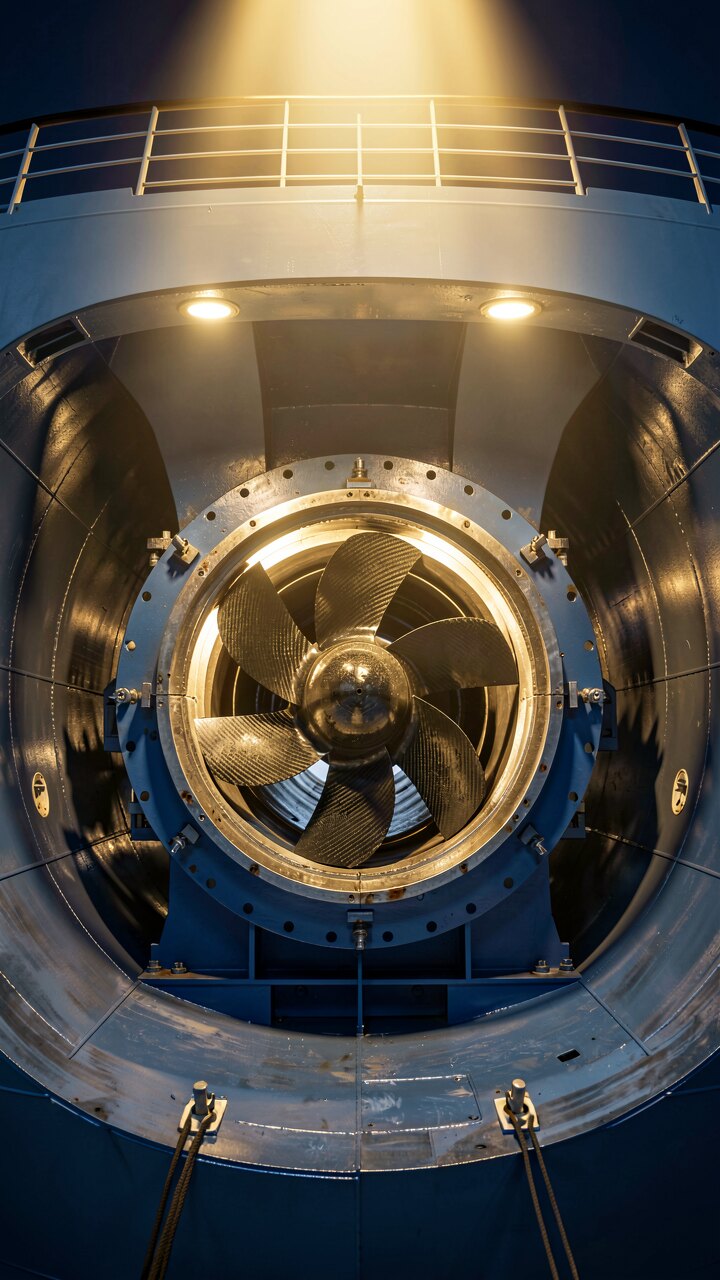
Carnival Jubilee
Carnival Jubilee (183,521 GT, Carnival Cruise Line, since 2023) is the third Excel-class newbuild, home-ported in Galveston/Texas. LNG-powered, 344 m, up to 6,500 passengers.
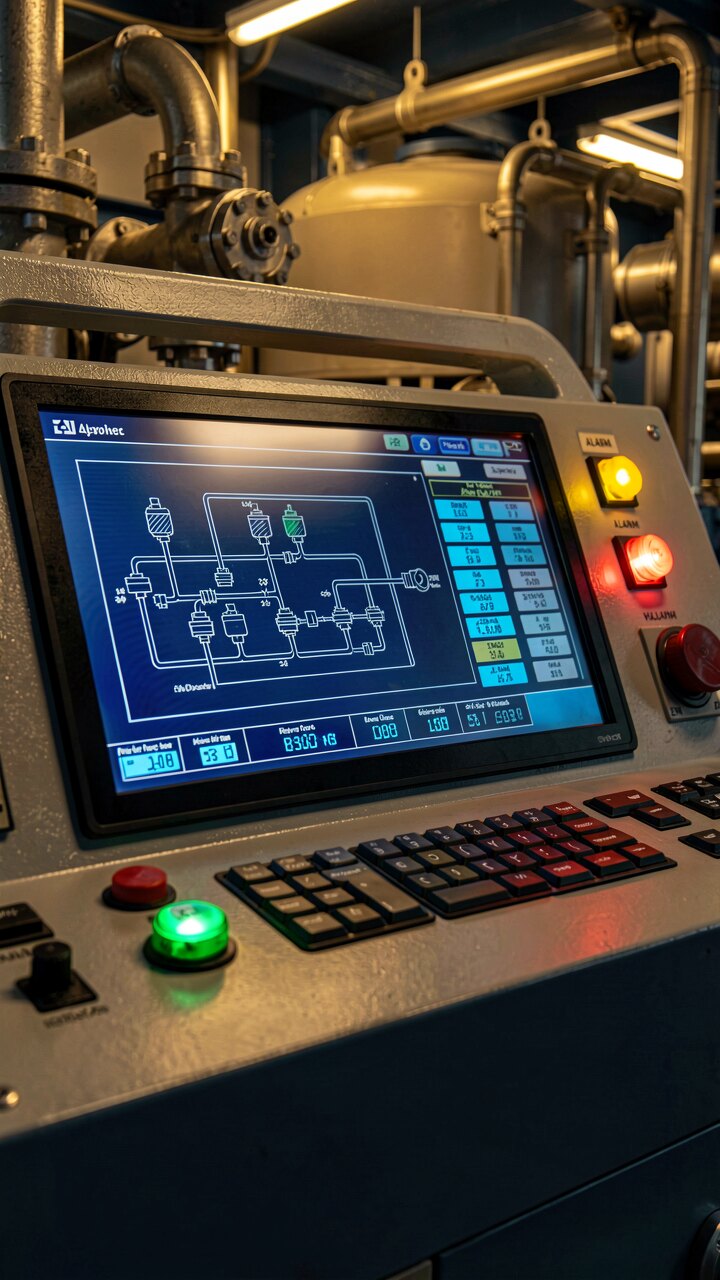
Carnival Celebration
Carnival Celebration (183,521 GT, Carnival Cruise Line, since 2022) is the second Excel-class ship, sailing from Miami. Identical to Jubilee: LNG, 344 m, ~62 MW installed power.
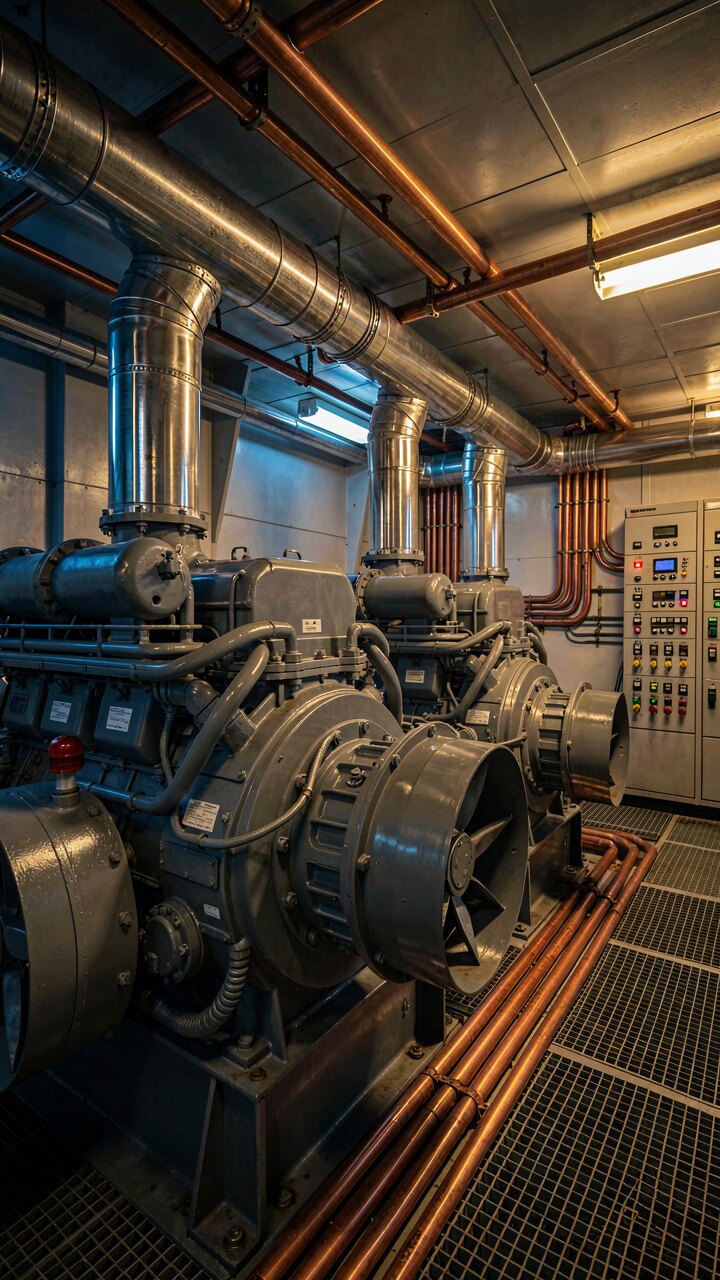
Carnival Mardi Gras
Carnival Mardi Gras (181,808 GT, Carnival Cruise Line, since 2021) was Carnival's first LNG ship and the first LNG cruise ship home-ported in the USA (Port Canaveral). ~62 MW installed power.
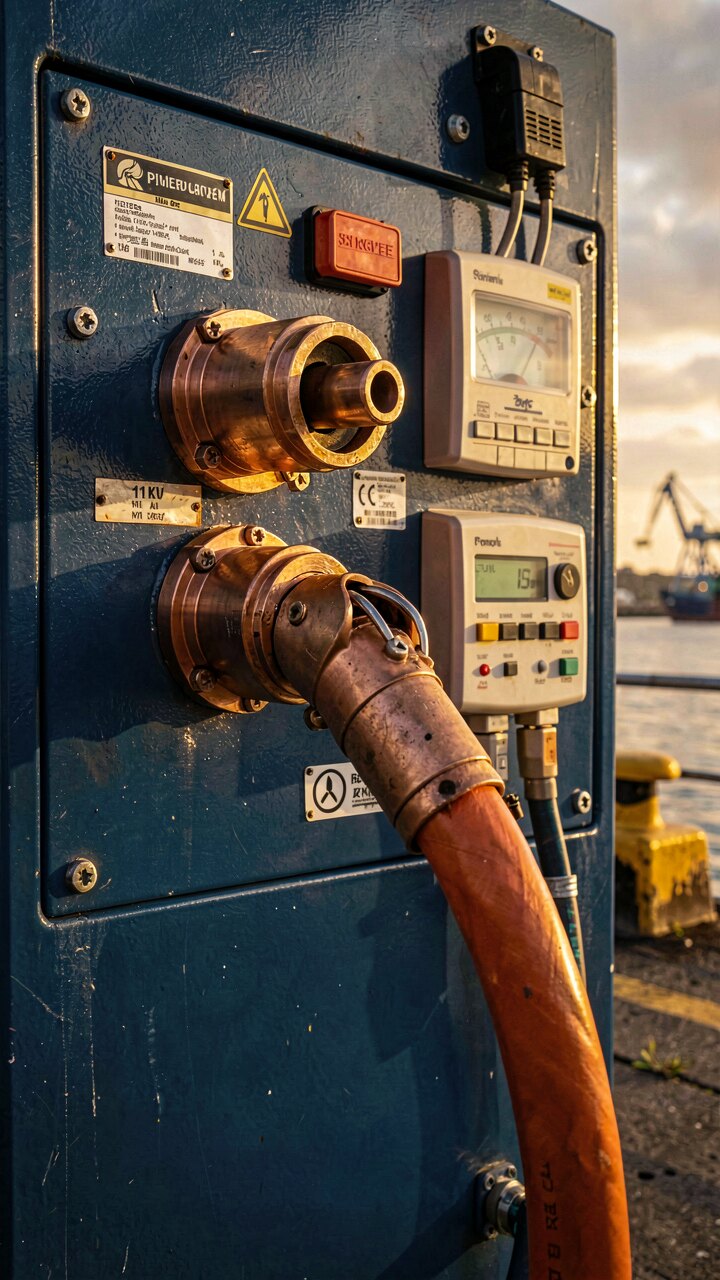
MSC Grandiosa
MSC Grandiosa (181,541 GT, MSC Cruises, since 2019) is the first Meraviglia-Plus ship and was built LNG-ready. Shore-power capable for low-emission port calls in Barcelona and Marseille.
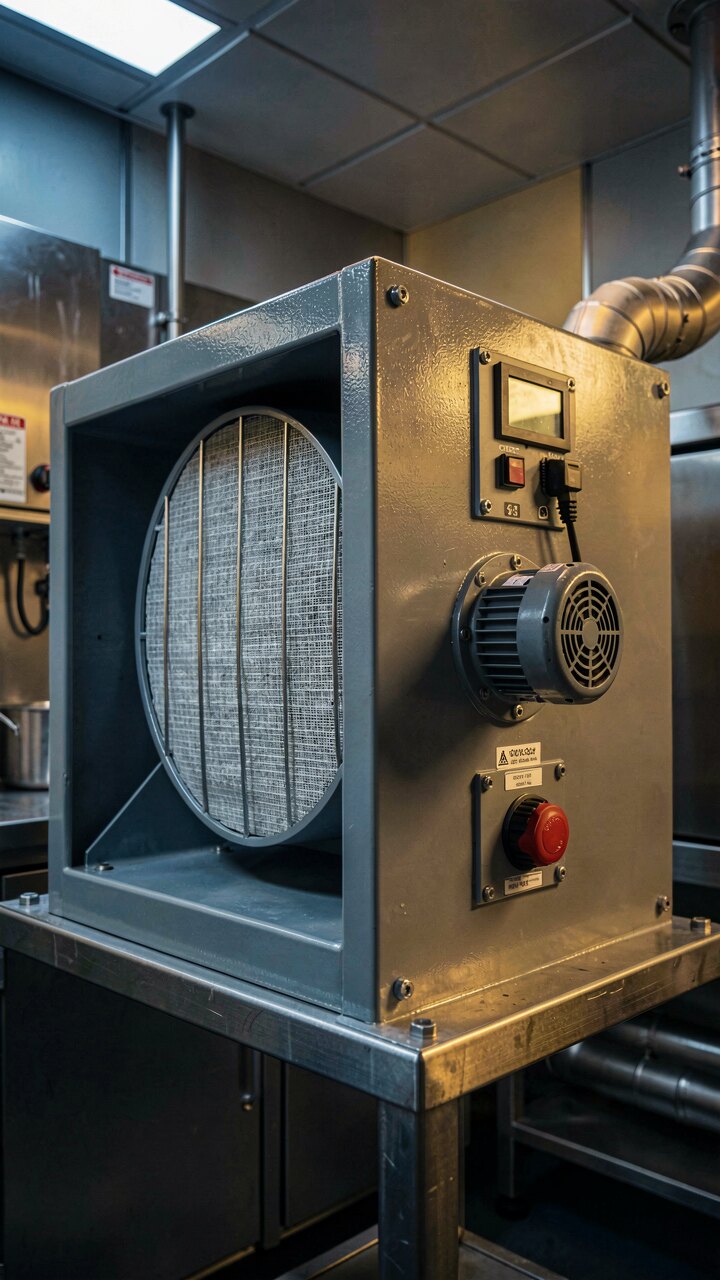
MSC Virtuosa
MSC Virtuosa (181,541 GT, MSC Cruises, since 2021) is the near-twin of Grandiosa. The ship entered service 13 months late due to COVID-19 — launching straight into the pandemic.
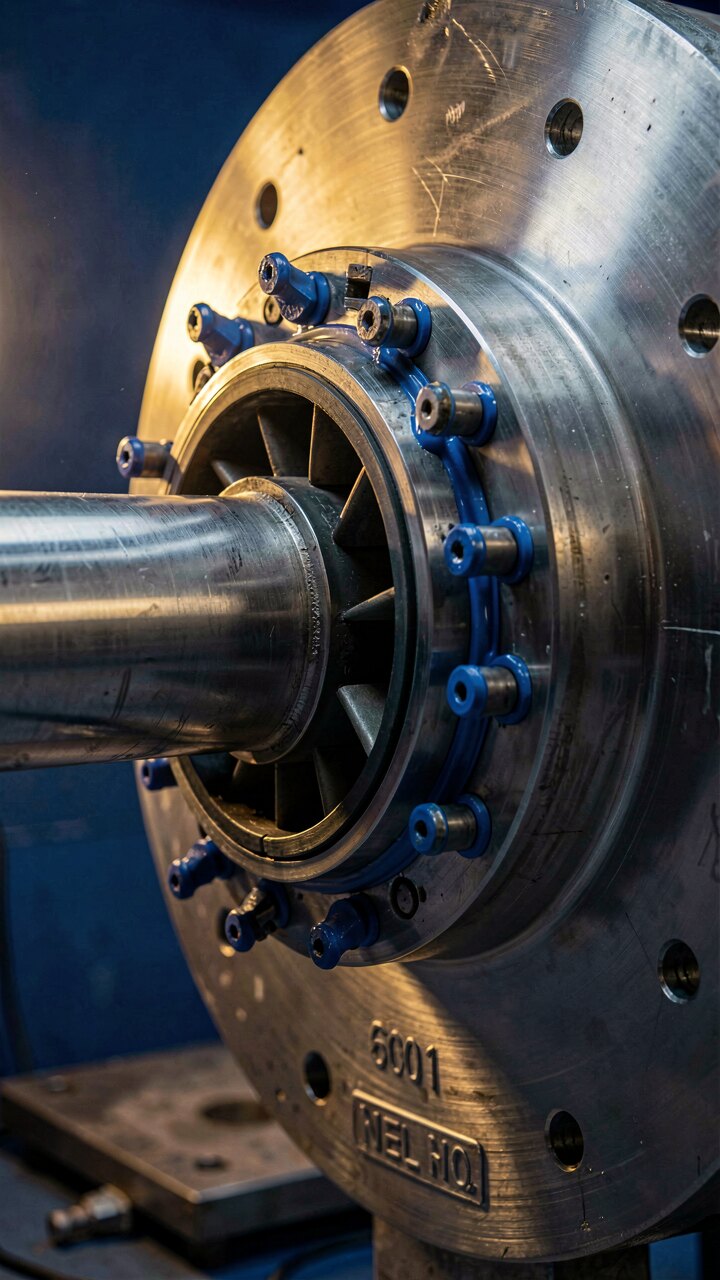
Sun Princess
Sun Princess (177,882 GT, Princess Cruises, since 2024) is the first Sphere-class ship — an entirely new class from Carnival Corp. LNG-powered, 330 m long, up to 4,600 passengers.
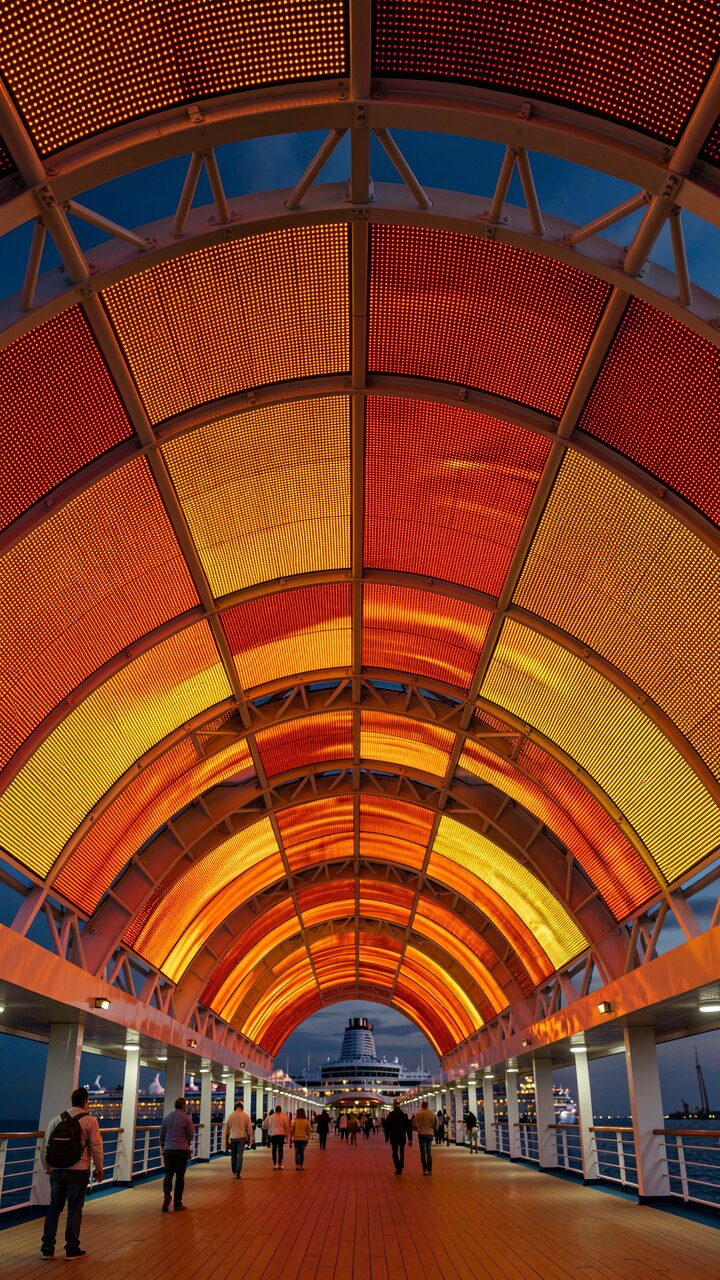
MSC Meraviglia
MSC Meraviglia (171,598 GT, MSC Cruises, since 2017) features a 97-m LED sky dome on its indoor promenade — an independent LED load of roughly 1.5 MW for that feature alone.
MSC Bellissima
MSC Bellissima (171,598 GT, MSC Cruises, since 2019) is the near-twin of Meraviglia — also featuring the 97-m LED sky dome and ~55 MW installed engine capacity.
MSC Seashore
MSC Seashore (170,412 GT, MSC Cruises, since 2021) is the first Seaside EVO ship and at 339 m the longest Fincantieri cruise ship of its era. LNG-ready, ~57 MW installed power.
Norwegian Prima
Norwegian Prima (142,500 GT, NCL, since 2022) is the smallest ship in our Top 25 — proof of how far the class stretches upward. Fincantieri newbuild, 294 m, 3,215 passengers.