A Former Printing Press That Will Run Half a Gigawatt of AI
Lancaster, PA, USA · CoreWeave / Machine Investment Group · Est. online 2026–2027
- 250 MW initial capacity, industry estimates 500–800 MW at full build
- 2 million sq ft across 144 acres — a former printing press facility repurposed
- $6 billion total investment from CoreWeave and Machine Investment Group
- Anchored by a 15-year, $11 billion revenue contract — CoreWeave's largest
- CoreWeave surpassed 1 GW active power total globally in Q1 2026
Hook: The Ink Has Dried. The GPUs Are Coming.
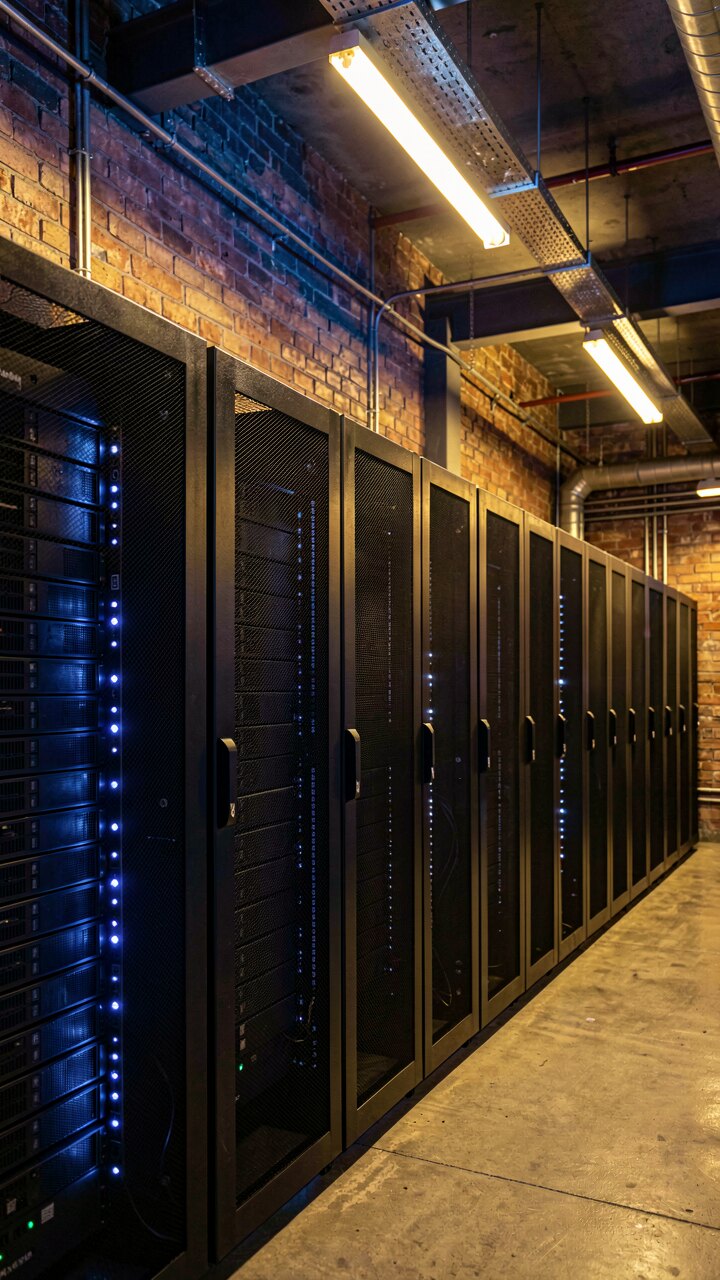
There is something poetic about repurposing a printing press for AI. The Lancaster site once produced paper and ink at industrial scale for R.R. Donnelley. Now, CoreWeave and Machine Investment Group are converting the same 144 acres into one of the most powerful GPU clusters in the United States — capable of training the next generation of large language models without blinking.
The contract that underpins this project is not just large — it is generational. A 15-year, $11 billion commitment means CoreWeave has locked in a customer willing to fund the equivalent of a small national energy infrastructure project for a decade and a half. That is confidence. That is also enormous financial pressure to deliver uptime, capacity, and expansion on schedule.
What $6 Billion Buys in Pennsylvania
The Lancaster campus is not a data center — it is a data city. At full build, 500 to 800 MW of compute power will be housed inside those 2 million square feet. For context: 800 MW is enough electricity to power roughly 640,000 average American homes simultaneously. It will instead power GPU racks running AI inference and training 24 hours a day, 365 days a year.
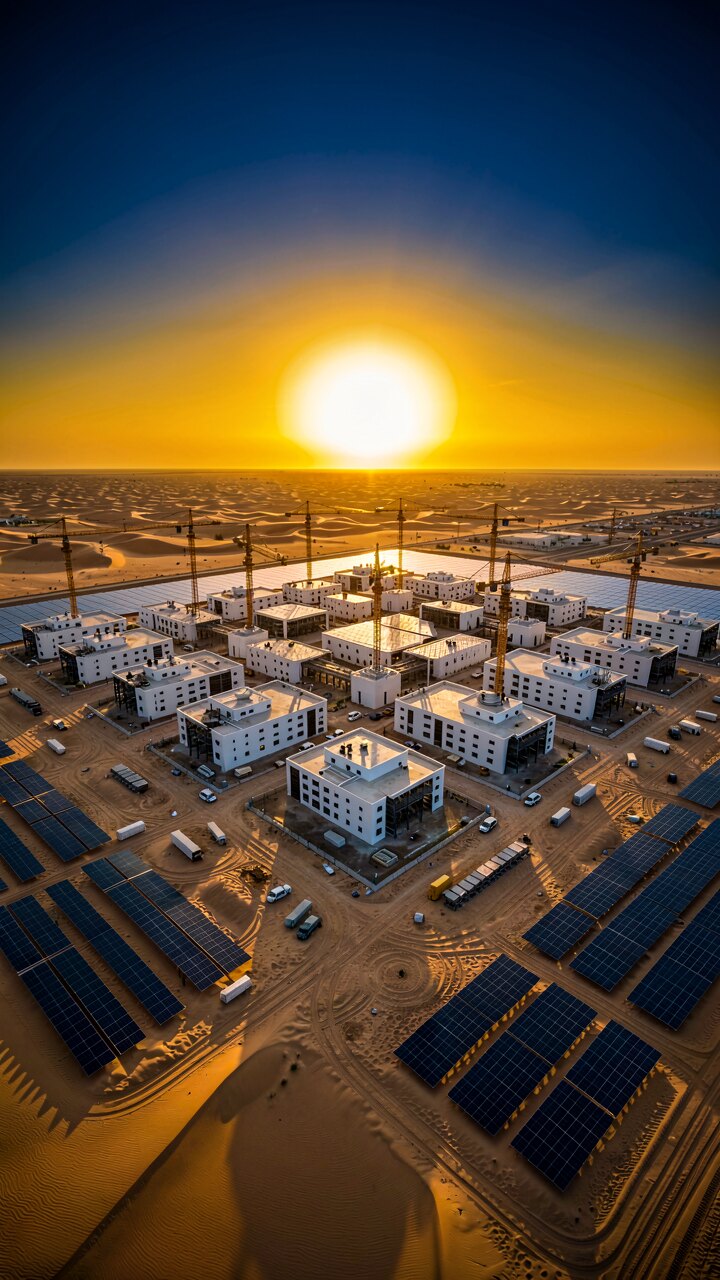
Machine Investment Group, the real estate development partner, brings expertise in converting large industrial sites. CoreWeave brings the GPU expertise and — crucially — the customer that signed that $11 billion contract. Both parties know exactly what this facility must become: a facility that never goes dark.
Reveal: CoreWeave's 1 GW Milestone and What Lancaster Means
In Q1 2026, CoreWeave crossed a significant threshold: more than 1 GW of active power under management globally. That milestone, reported just months before the Lancaster groundwork began in earnest, signals a company operating at a pace few GPU cloud providers have matched. Lancaster is not a hedge — it is a statement that CoreWeave intends to double down.
The scale matters for another reason: GPU cloud is a winner-take-most market in the near term. The customer who signs an $11 billion, 15-year contract is buying certainty of access. If CoreWeave delivers Lancaster on schedule, it wins that certainty race for at least 15 years. If it stumbles on construction, power procurement, or cooling, the financial penalties embedded in contracts of that length are severe.
Comparison: CoreWeave vs. the Other GPU Clouds
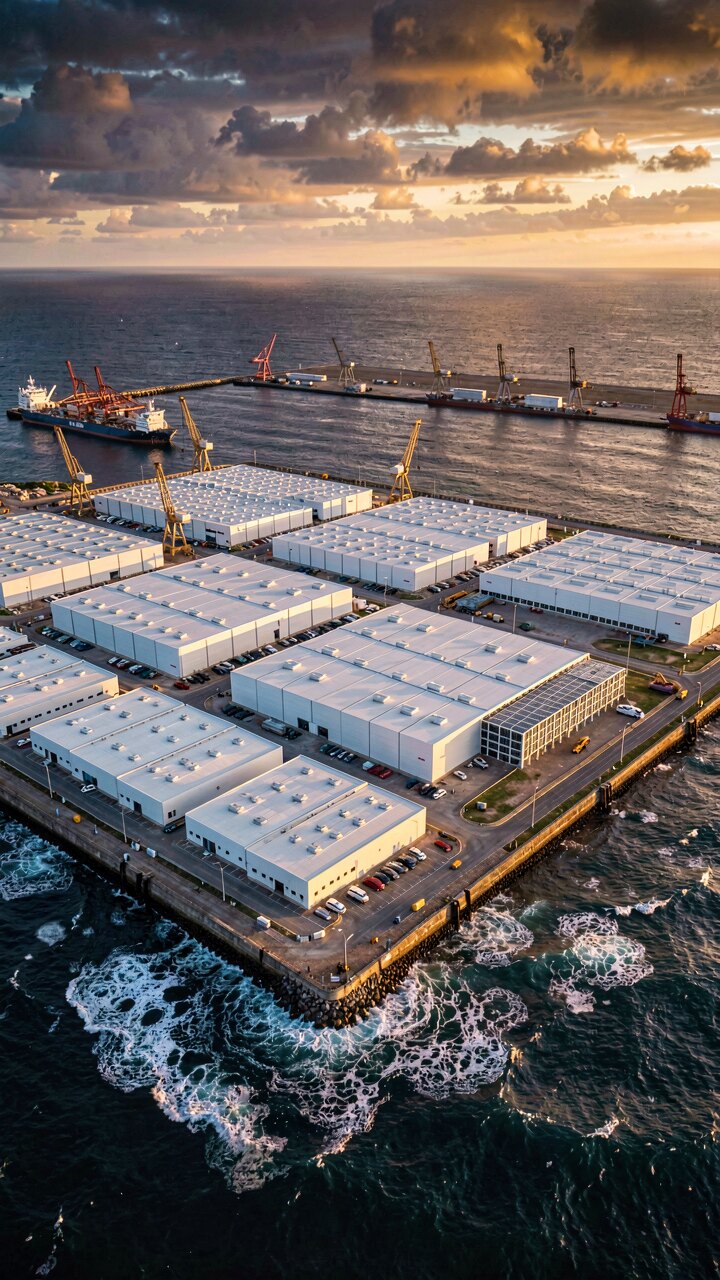
To put Lancaster in perspective: Stargate in Abilene (Rank 2 in this series) targets 1.2 GW but is backed by the combined resources of Microsoft, OpenAI, SoftBank, and Oracle. CoreWeave is doing something similar — but with a single real estate partner and a single anchor customer. The concentration of financial risk is higher. So is the potential upside if the contract holds.
Compared to the hyperscaler campuses in this series — Meta Hyperion at 5 GW, Amazon Rainier at half a gigawatt — Lancaster is mid-tier by raw capacity. What distinguishes it is the contract structure: it is not CoreWeave building speculatively and hunting for tenants. The tenant signed first. The building follows the demand. That is a fundamentally more conservative business model for a company that went public in 2025.
The Energy Problem That Never Gets Mentioned in Press Releases
At 500–800 MW, the Lancaster campus will have a cooling bill that rivals the GDP of small municipalities. This is the number that datacenter press releases never feature: cooling accounts for 30 to 50 percent of total power draw in a facility of this scale. A 600 MW datacenter might consume 200–300 MW just to move heat out of the building.
That is where Stromfee AI's approach becomes relevant. Our Glass HVAC methodology gives industrial operators transparent, real-time visibility into what their thermal management systems actually cost — broken down by source, by hour, by rate tariff. For a facility the size of Lancaster, understanding whether the HVAC system is optimized or quietly wasting 40 MW is worth tens of millions of dollars per year.
Battery storage (BESS) adds another lever. Pennsylvania is part of the PJM Interconnection — one of the most liquid electricity markets in the world with frequent price swings and occasional negative-price hours during high renewable output periods. A well-configured BESS can charge during those troughs and discharge during peak demand, turning grid volatility into a cost advantage instead of a risk. At Lancaster's scale, even modest BESS arbitrage returns translate to millions annually.
What Comes Next for Lancaster
CoreWeave's development timeline targets 2026–2027 for initial operations. Phase 1 at 250 MW will likely serve the anchor customer's most immediate compute needs. The ramp to 500–800 MW depends on grid capacity expansion agreements with the local utility, the pace of building construction across the 144-acre site, and the continued demand signal from that long-term contract.
Pennsylvania has been quietly aggressive in attracting datacenters — the state's grid infrastructure, available industrial land, and fiber connectivity give it structural advantages over more congested markets. Lancaster is not an anomaly; it is part of a broader Rust Belt-to-GPU-Belt transition that will reshape how the Mid-Atlantic region generates and consumes power for decades.
Analyze Your Facility's Energy Profile
AI datacenters face the same core challenge as every large industrial facility: understanding exactly where the electricity bill goes. Stromfee's Glass HVAC and BESS arbitrage tools give you that clarity — in real time, in your language.
Open Energy Analyzer →