The Coal Port That Will Become Europe's AI Brain
Sines, Portugal · Start Campus · Online 2027+ (phased)
- 1.2 GW planned — the largest AI datacenter project in Europe by power capacity
- Located at Sines' former coal port with direct deep-sea fiber cable landing
- Powered primarily by solar and wind — renewable energy from day one
- Microsoft confirmed as a tenant — Tier-1 validation for the project
- Phased construction, first phases targeting 2027 and beyond
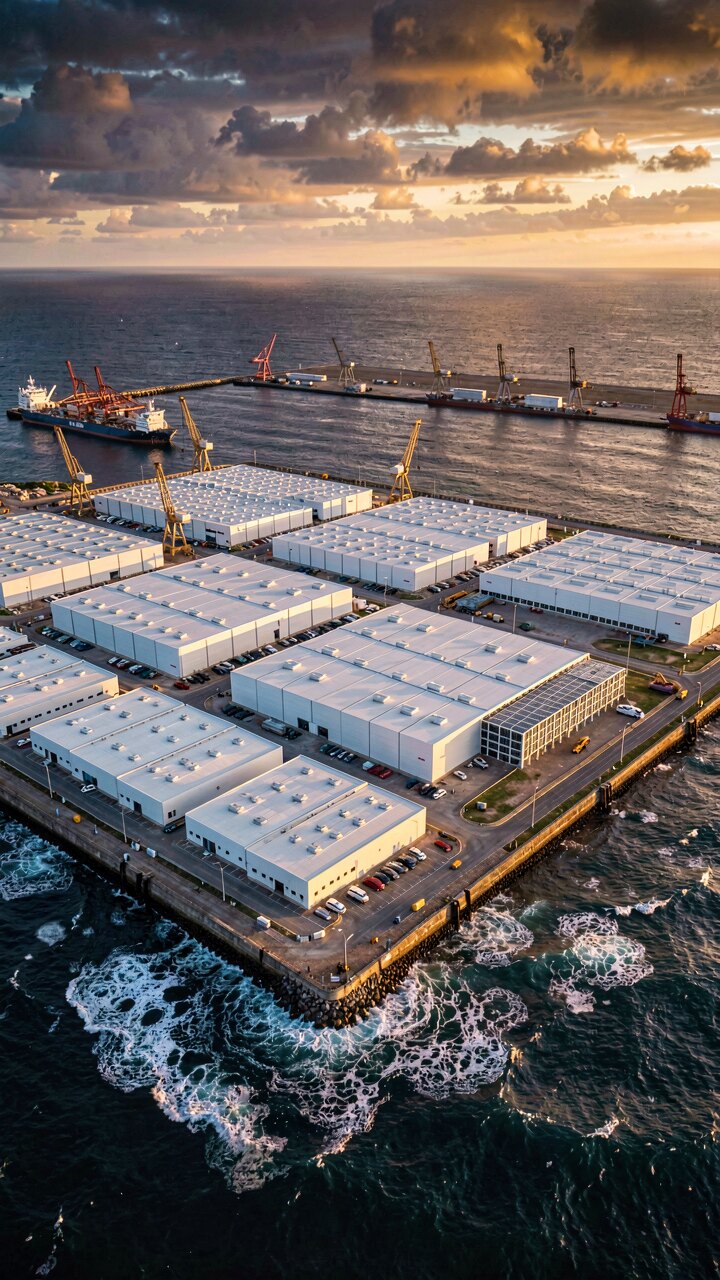
Hook: Where Coal Ends, Intelligence Begins
Sines is a small city on Portugal's Atlantic coast — population roughly 14,000, historically known for its deep-water port and, until recently, a coal-fired power plant that fed the national grid. That plant is now closed. The port infrastructure remains. And Start Campus has found something far more valuable than coal in that location: a deep-sea fiber cable landing point at the exact geographic crossroads between Europe, Africa, and the Americas.
At 1.2 GW planned capacity, Start Campus Sines would be the largest AI datacenter in Europe when complete. Not just the largest in Portugal — the largest on the entire continent. That is a remarkable claim for a project in a country more associated with tourism than tech infrastructure. The geography explains everything.
Why Sines? The Answer Lives Under the Atlantic
The critical insight behind Start Campus Sines is not the land price or the tax incentives (though both help). It is the submarine fiber cables. Sines sits at a natural landing point for transatlantic and Africa-Europe cable systems. Data traveling between the Americas, West Africa, and Central Europe passes through these cables. A datacenter at Sines can offer ultralow-latency connectivity to London, New York, Lagos, and São Paulo simultaneously — a combination almost no other European location can match.
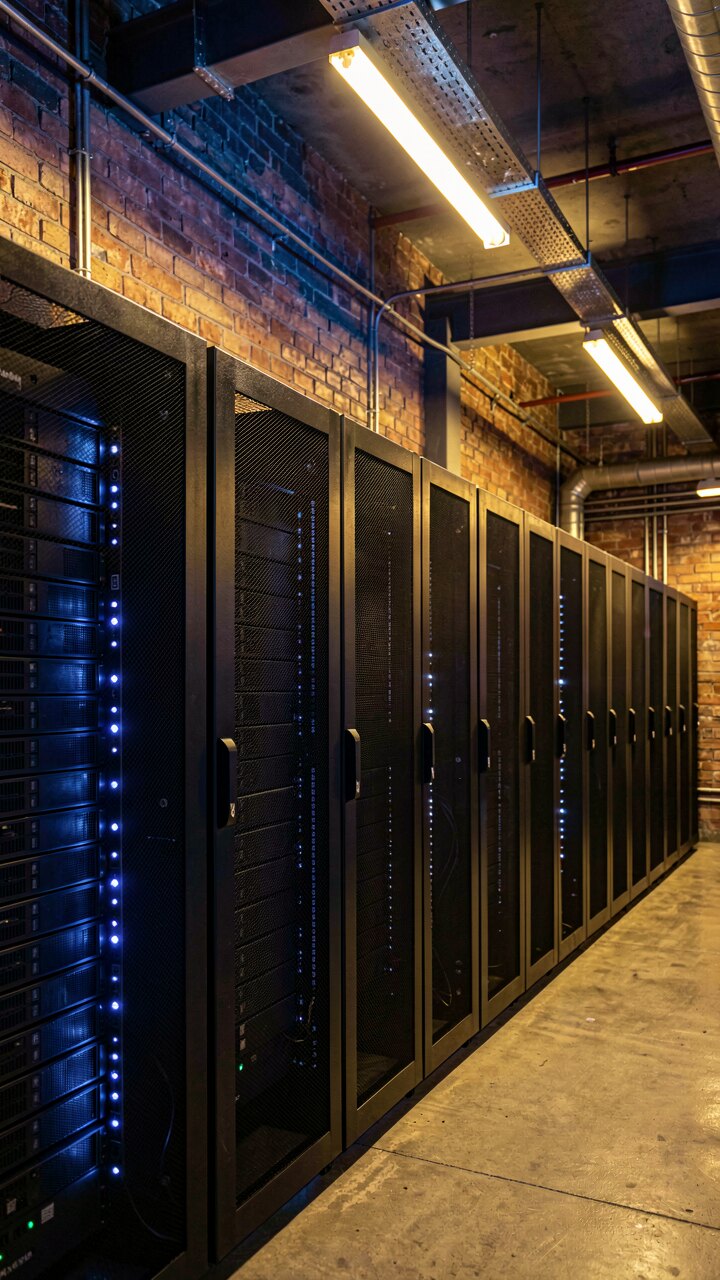
For AI workloads specifically, that connectivity matters. Model inference for European and African users served from a single Iberian Peninsula location avoids the latency penalties of routing through Amsterdam, Frankfurt, or Dublin — the traditional European datacenter hubs. Start Campus Sines is not competing with those established markets; it is opening a new one.
Reveal: Microsoft's Signature Makes It Real
Projects of this scale are announced constantly. What separates Sines from the dozens of European datacenter proposals that quietly disappear is a single word: Microsoft. The Redmond giant has confirmed tenancy at Start Campus Sines. When a company with Microsoft's due diligence capability, legal teams, and infrastructure experience writes a contract for a European AI campus, it is making a decade-long bet on that location's viability.
Microsoft's presence at Sines is also a signal to the European AI market: the regulatory environment in Portugal, the grid interconnection timeline, the renewable energy availability, and the planning permission landscape are all credible enough to commit to at Tier-1 hyperscaler scale. That credibility will attract additional tenants. Sines is becoming a cluster, not just a campus.
The Renewable Energy Equation
Portugal is one of Europe's best renewable energy markets. In 2023, the country generated over 60 percent of its electricity from renewables — wind, hydro, and a rapidly expanding solar base. For a 1.2 GW datacenter committed to running on clean power, that grid mix matters enormously. Start Campus has structured its energy procurement around solar and wind contracts, making Sines one of the few gigawatt-scale AI campuses anywhere in the world that can credibly claim near-zero-carbon compute.
That matters for tenants like Microsoft, which has aggressive carbon commitments. It also matters for European regulators increasingly scrutinizing the environmental footprint of AI infrastructure. A 1.2 GW datacenter running on fossil fuel would face severe political and regulatory headwinds across the EU. Running on renewables in a country with surplus clean generation changes the conversation entirely.
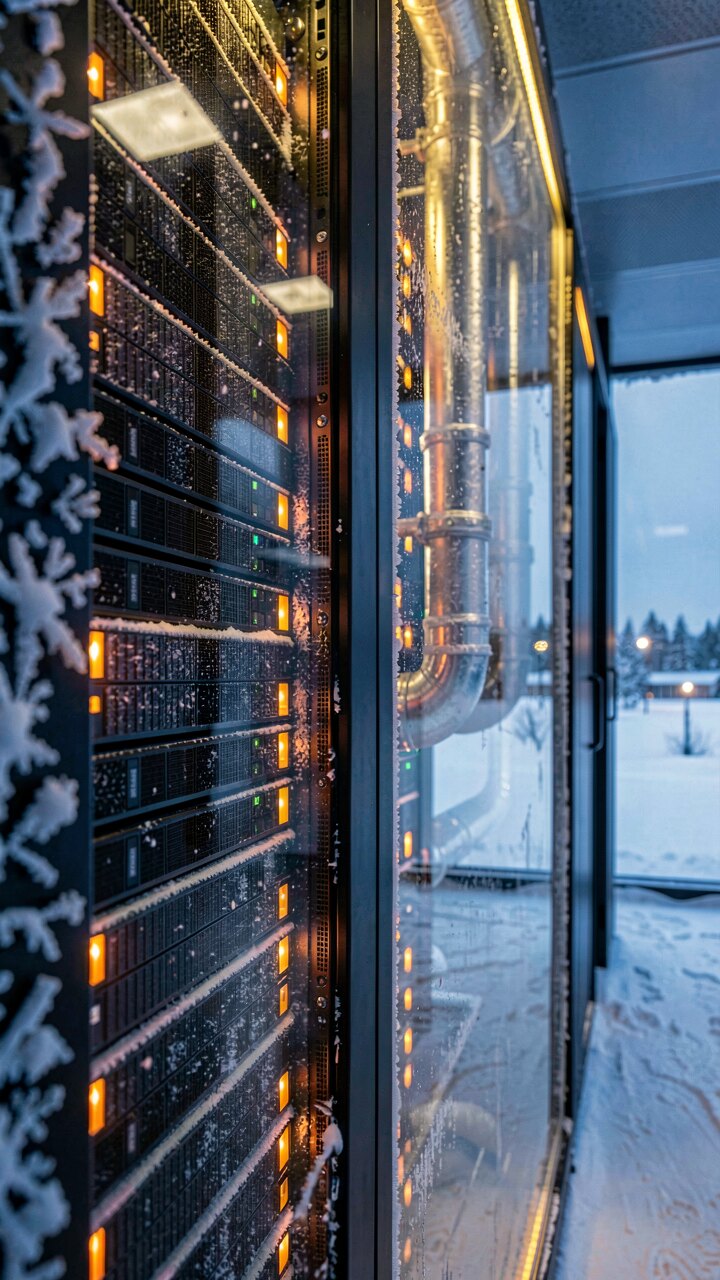
Comparison: Sines vs. Europe's Other AI Datacenter Plays
VIRTUS Wustermark near Berlin (Rank 17 in this series) targets 204 MW — impressive for Germany, but less than a fifth of Sines' planned capacity. Apto Milan (Rank 18) reaches 300 MW. Brookfield Stockholm (Rank 15) targets 750 MW. Sines at 1.2 GW puts Portugal in a category of its own on the continent — a country that historically had minimal datacenter infrastructure is leapfrogging established markets in a single project.
The phased construction approach is sensible risk management. Phase 1 will prove the concept: that Sines can attract the power, the fiber, the tenants, and the operational talent to run at scale. Success in Phase 1 — with Microsoft as a paying anchor — de-risks the subsequent phases substantially. By the time the full 1.2 GW is online, Sines may well be the default answer when a European AI company asks: where do I put my next training cluster?
The Energy Cost Challenge at 1.2 GW Scale
At 1.2 GW, Start Campus Sines will consume as much power as a medium-sized Portuguese city. Cooling alone — HVAC systems, chillers, evaporative towers, liquid cooling loops — will account for 30 to 50 percent of that draw, or 360 to 600 MW just to manage heat. Understanding and optimizing that thermal load is not a nice-to-have; it is a financial imperative worth hundreds of millions of euros per year.
This is precisely where Stromfee AI's industrial energy analysis tools apply. Our Glass HVAC framework provides transparent, granular visibility into what cooling infrastructure actually costs — broken down by system, by tariff period, by ambient temperature conditions. For large facilities on renewable energy contracts with time-varying spot prices, knowing when to shift cooling loads by even a few megawatts translates directly to the bottom line.
Battery energy storage (BESS) provides the flexibility layer. Portugal's Iberian Electricity Market (MIBEL) has increasingly frequent negative-price periods as solar output peaks. A well-sized BESS at Sines could charge during those negative-price windows and discharge during evening demand peaks, turning renewable energy volatility from a risk into a revenue opportunity. At 1.2 GW scale, even a 10 MW BESS arbitrage advantage compounds significantly over a calendar year.
What Comes Next
Start Campus Sines is on a 2027-and-beyond timeline for meaningful capacity. The Portuguese government has designated the project as strategically important, smoothing permitting processes. Grid connection at this scale requires coordination with REN (Redes Energéticas Nacionais), Portugal's transmission operator — negotiations that are already underway.
The critical near-term milestone is Phase 1 completion and Microsoft's first workloads going live. That proof point will determine whether Sines becomes a one-tenant facility or evolves into the European AI infrastructure hub that Start Campus is betting everything on. Given the location's unique fiber connectivity, the renewable energy advantage, and the Microsoft validation, the odds favor the latter.
Understand Your Facility's Energy Costs
Industrial facilities of every scale — from 1 MW to 1.2 GW — share the same challenge: knowing exactly where electricity costs are going and where savings are available. Stromfee provides that clarity, with real-time HVAC analysis and BESS optimization tools built for European energy markets.
Open Energy Analyzer →