Peak load capping in industry: what it is and how it works

Peak load capping (peak shaving) means cutting the short, high spikes in your factory's power draw so they never reach the grid meter. This matters because the grid operator sets your demand charge from the single highest 15-minute average power measured during the billing period — so one spike drives twelve months of fees.
It is the deliberate limiting of your site's peak power demand. A control system watches the running 15-minute average and, when it approaches a set threshold, either shifts flexible loads or discharges a battery to keep the measured peak below that line. The goal is a lower billing peak (Bemessungsleistung), not lower total energy use.
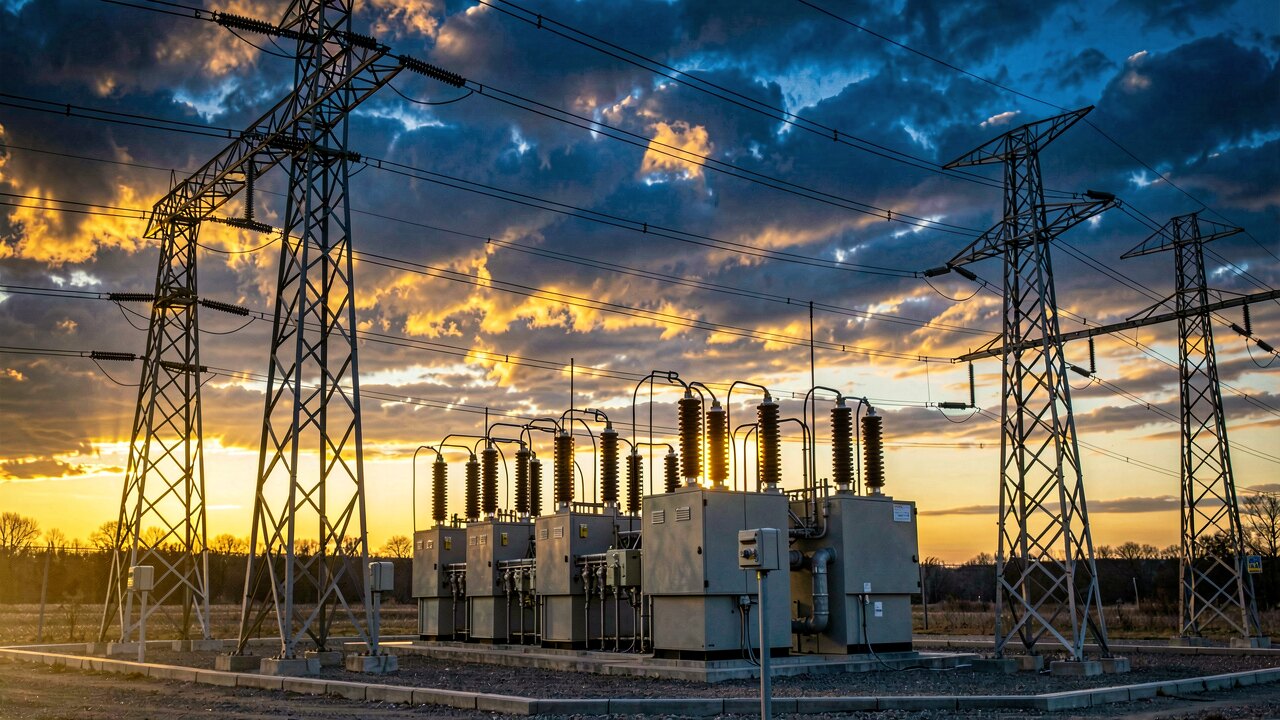
Industrial grid fees have a demand-charge (Leistungspreis) component billed per kilowatt of your highest measured 15-minute average load. Because only the single worst quarter-hour counts, one uncontrolled event — a motor start, several machines ramping together, a compressor kicking in — can raise the whole annual bill. Capping that one peak protects the entire billing period.

1) Record your load profile in 15-minute intervals to find where and when peaks occur. 2) Set a target threshold below today's maximum. 3) Use load management (staggering machine starts, shifting non-critical loads) to stay under it. 4) Where load can't be shifted, add a battery (BESS) that discharges to cover the short spike from stored energy. 5) Verify the measured peak actually dropped over a full billing cycle.
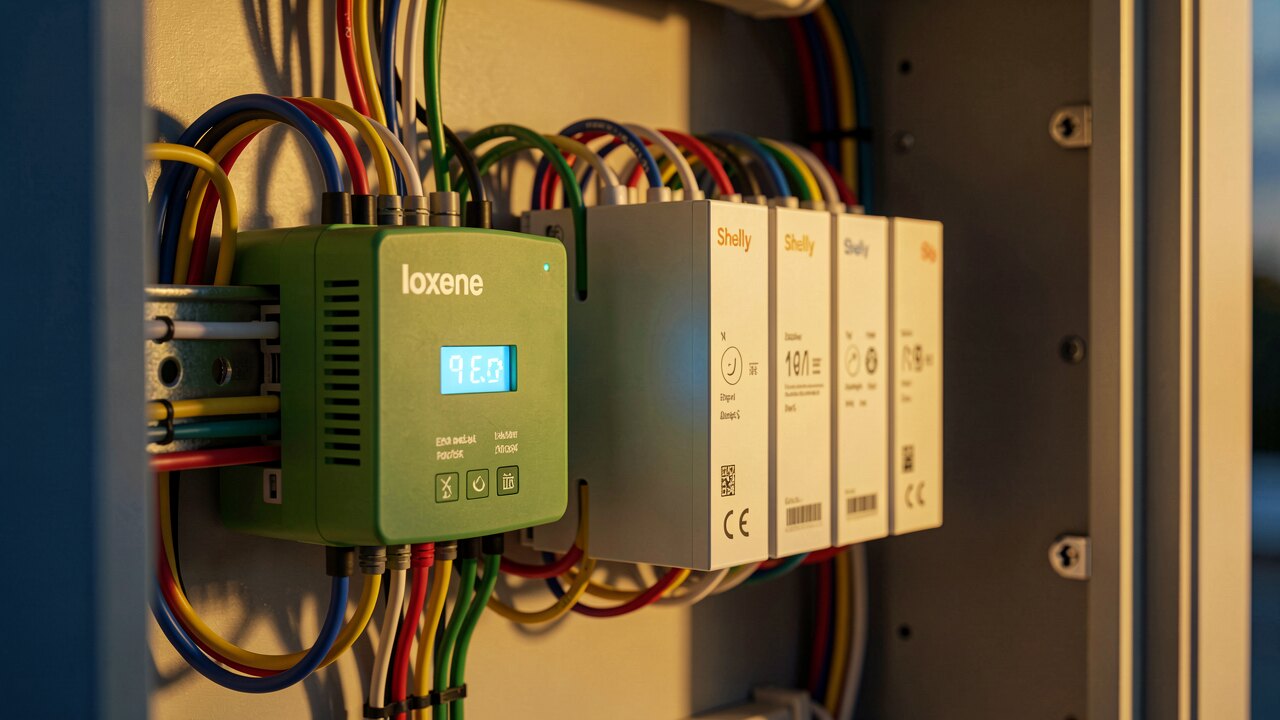
A BESS is the tool for peaks you cannot reschedule. It supplies the extra kilowatts during the short spike and recharges in the low-load periods, so the meter never sees the full draw. It works only if sizing, load forecasting and priority logic are correct — an undersized battery or a missed forecast lets the peak through.
Start with operational load management — staggering start-ups and moving flexible processes is free and often removes many peaks. Add battery-based peak shaving when peaks are unavoidable, unpredictable, or too fast to schedule around. In practice most industrial sites combine both: shift what you can, buffer the rest.
It reduces the demand-charge portion of your grid fee, not the energy (kWh) portion. It also does not export power to the grid — a well-configured system caps peaks and prevents feed-back. Savings depend entirely on your tariff structure and how spiky your load profile is, so size the case on your own measured data.