Peak Shaving Calculation: How to Do It Step by Step

Peak shaving means covering the highest short bursts of demand from a battery so the grid never records them, cutting the demand charge on your bill. Here is exactly how to calculate the target, the battery power, and the storage capacity you need.
Demand charges are billed on your highest 15-minute average power over the period. Peak shaving cuts that peak down to a chosen target. Required battery power = peak load − target load (kW). Required usable capacity = battery power × how long the peak lasts (hours). Example: a peak of 300 kW shaved to a 200 kW target needs 100 kW of battery power; if that peak runs 30 minutes, you need 100 kW × 0.5 h = 50 kWh usable.
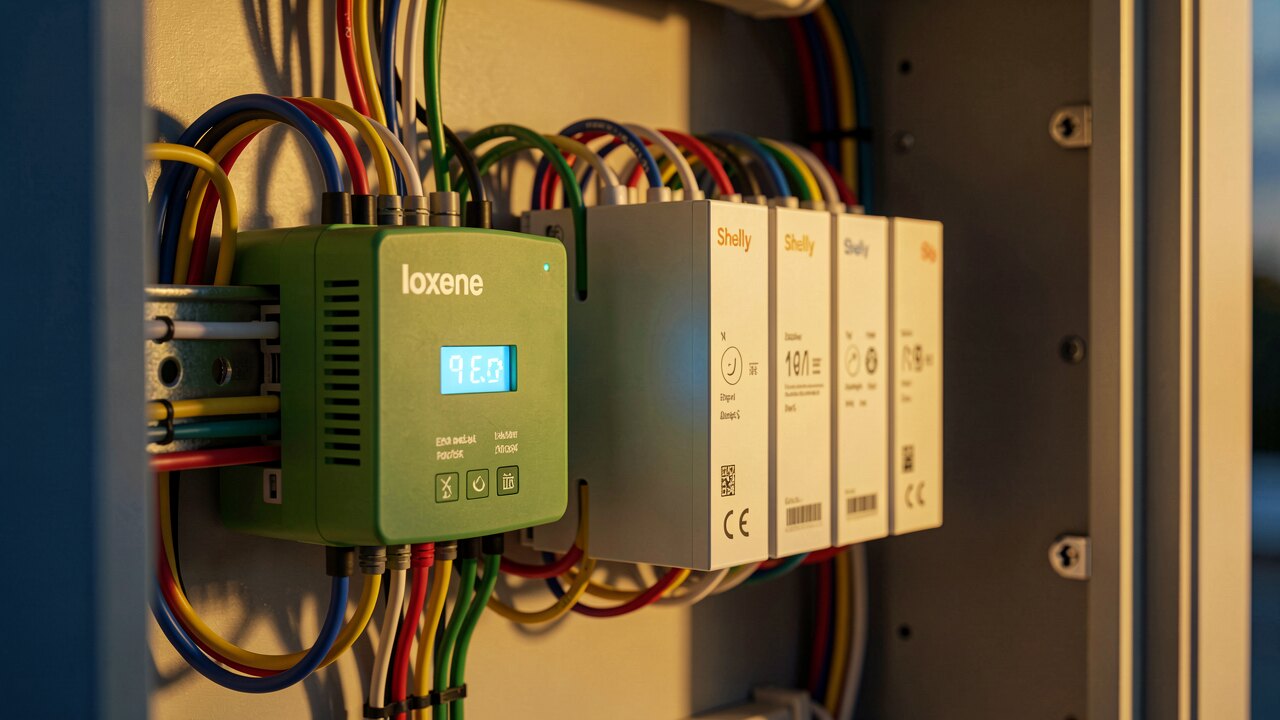
1) Pull your load profile in 15-minute intervals (the meter records a 15-min average, not instantaneous kW). 2) Find the single highest interval — that value sets your demand charge. 3) Choose a target ceiling below it. 4) Battery power (kW) = highest interval − target. 5) Look at how long demand stays above the target and how much energy sits above the line (the area of each peak in kWh). 6) Usable capacity = the largest single energy-above-target event, plus margin for back-to-back peaks and depth-of-discharge limits.
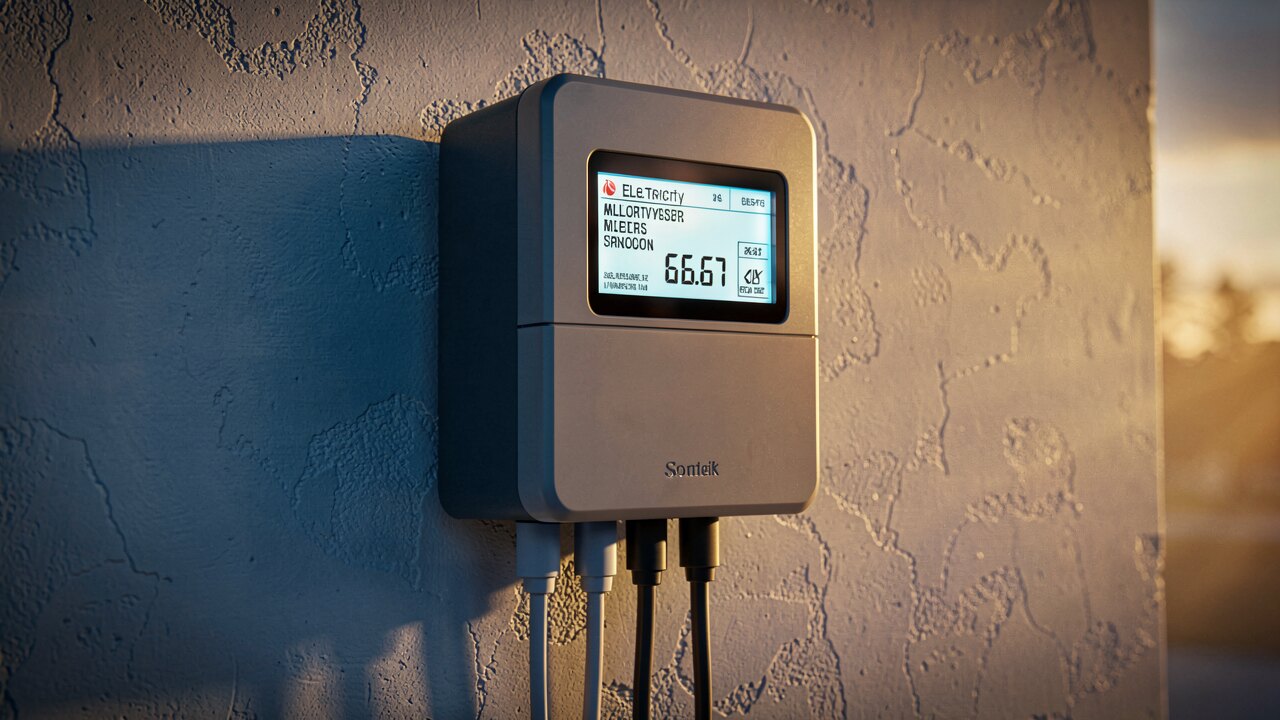
The target is the number you promise the grid you will not exceed. Set it too high and you barely save; set it too low and the battery drains before the peak ends, letting a spike through and resetting a new billing peak. A practical method: sort your intervals from highest to lowest, look at how many hours per period sit above each candidate level, and pick the level where the battery energy required to cover everything above it matches a battery you can afford. Every peak, even one 15-minute spike in the whole billing period, counts — so the calculation must cover the worst case, not the average.

A workshop peaks at 400 kW. The rest of the day it runs at 250 kW. You set a 280 kW target. Battery power needed = 400 − 280 = 120 kW. The demand above 280 kW lasts about 45 minutes and the energy above the line is roughly 120 kW × 0.75 h ≈ 90 kWh. Add depth-of-discharge headroom (a battery is rarely cycled 100%): at 90% usable you size ~100 kWh, at 80% usable ~113 kWh. That gives a system able to shave the peak with reserve for a second event the same day.

Annual saving ≈ (kW shaved) × (demand-charge rate in €/kW per year). If your grid demand charge is billed per kW of your highest measured peak, cutting the peak by 120 kW at a rate of, say, X €/kW·year saves 120 × X per year — use your own tariff's rate, since demand-charge prices vary by grid operator and voltage level. Compare that yearly saving against the battery investment to get a simple payback. Reported grid-fee reductions for well-sized commercial systems are in the range of roughly a third, but the exact figure depends entirely on your load shape and tariff.
Three assumptions break peak shaving: (1) sizing on average load instead of the single worst 15-minute interval — one missed spike sets the whole bill; (2) ignoring peak duration, so the battery has power but runs out of energy mid-peak; (3) forgetting usable-vs-nominal capacity and round-trip losses, which shrink the real headroom. A correct calculation needs the full interval load profile plus a control logic that starts discharging before the target is crossed, not after.