Peak Shaving with Batteries for Enterprises: How It Works
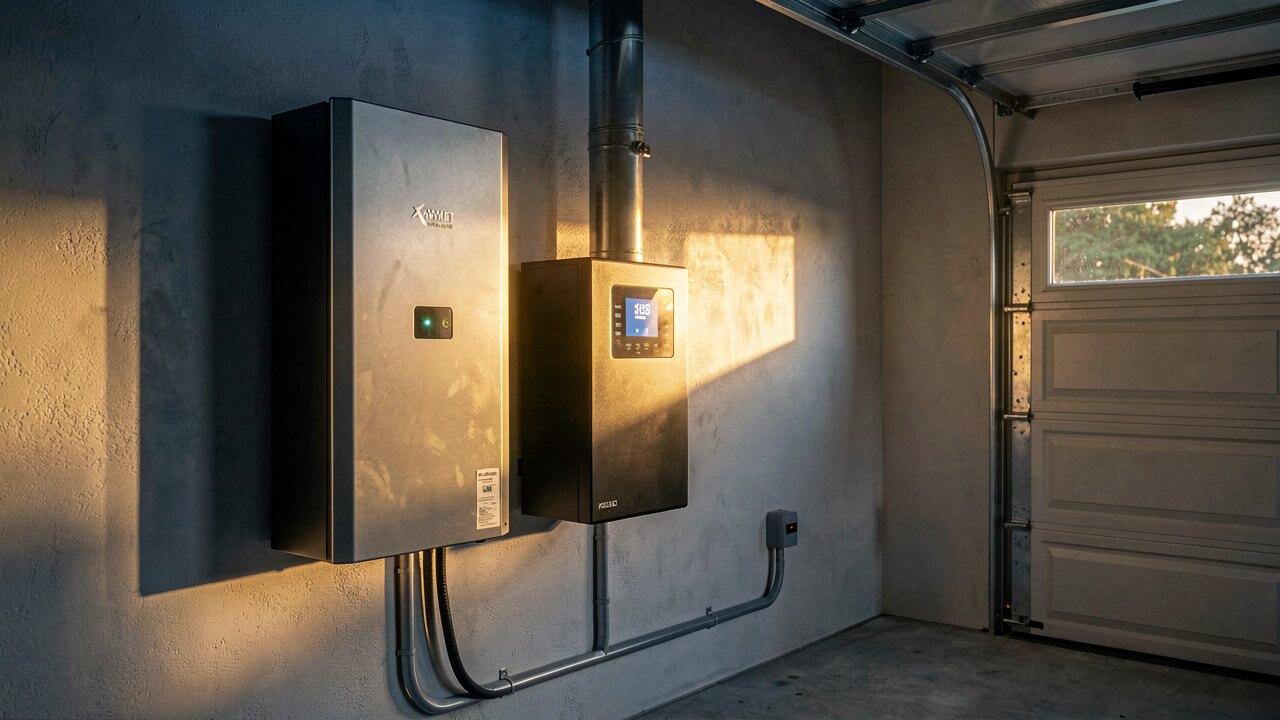
Peak shaving means using a battery energy storage system (BESS) to discharge during your highest load peaks, so the grid never sees them. For enterprises this directly lowers the demand charge (the price you pay for your single highest kW peak of the billing period).
Commercial electricity bills have two parts: energy consumed (kWh) and your highest power peak (kW). A single spike — e.g. 25 MW instead of 22 MW — can add large demand charges even if it lasts minutes. A BESS charges when demand is low and discharges the moment your load approaches its peak, capping the kW value your utility measures. The battery, not the grid, covers the spike.
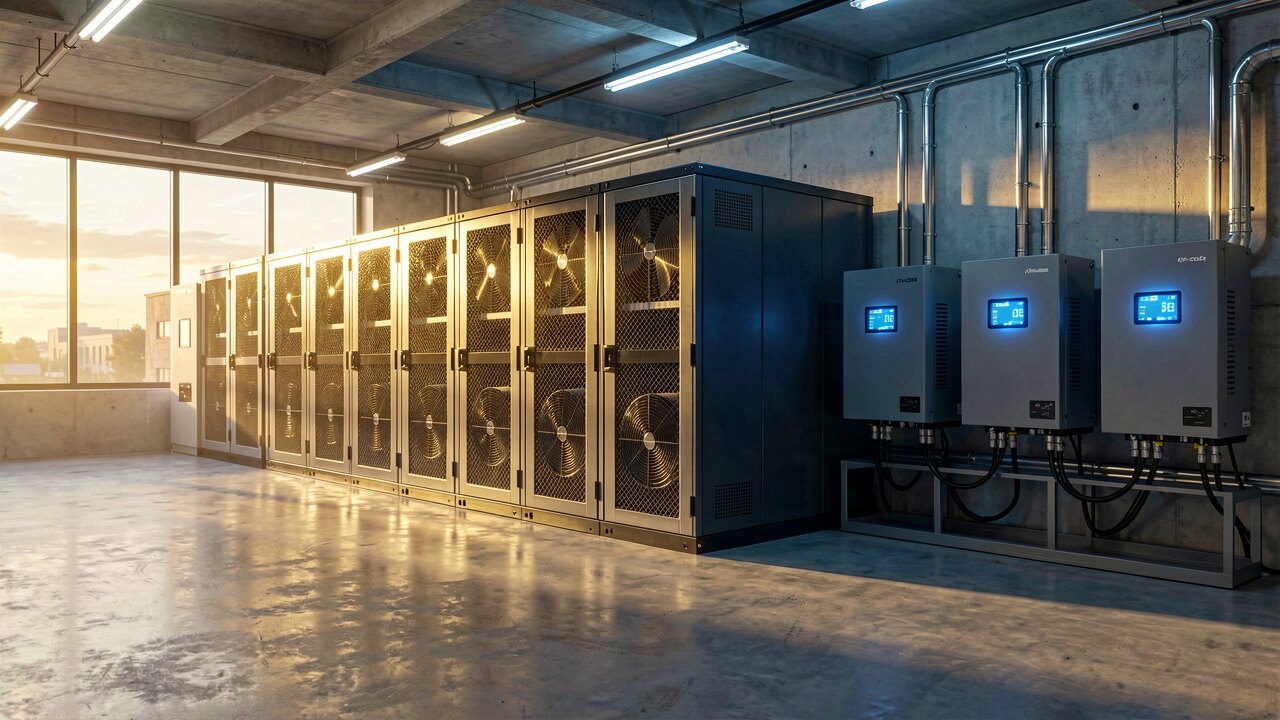
1) Analyse your load profile to find the frequency, height and duration of your peaks. 2) Size the BESS to those peaks (enough kW to shave the spike, enough kWh to hold it for its full duration) without oversizing. 3) Set a target ceiling (e.g. keep load under 22 MW) that the controller enforces automatically. 4) Let a controller monitor load in real time and discharge exactly when you cross the threshold.

Peak shaving pays off when your tariff includes a demand charge (€/kW or $/kW) and your load profile has sharp, short peaks well above your average. The bigger the gap between your peak and your baseline, the more a battery saves. If your load is flat or you have no demand charge, the case is weaker — arbitrage or self-consumption may still justify a battery, but peak shaving alone won't.
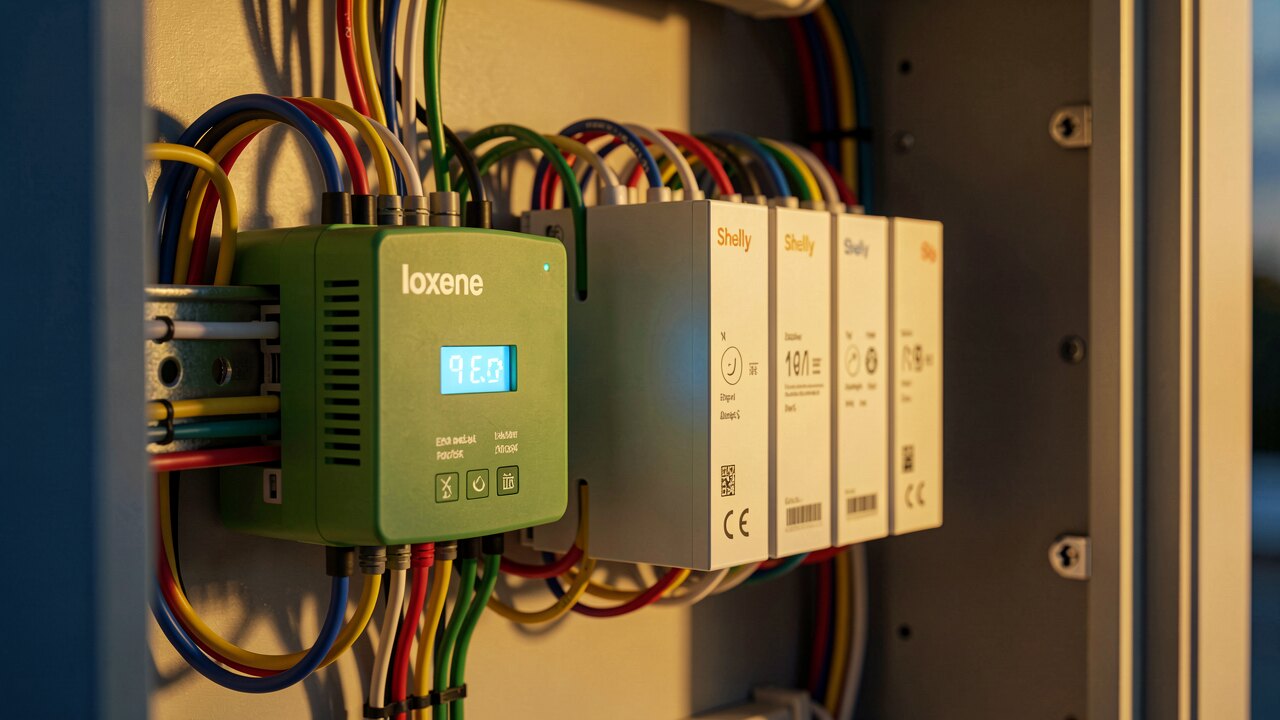
The same battery earns more by also shifting energy in time: charge overnight when prices are low (around 7 ct/kWh) and discharge in the expensive evening hours (25–40 ct/kWh). A control system decides each day, based on the price forecast, whether to prioritise shaving the peak or capturing the price spread — often both within the same day.
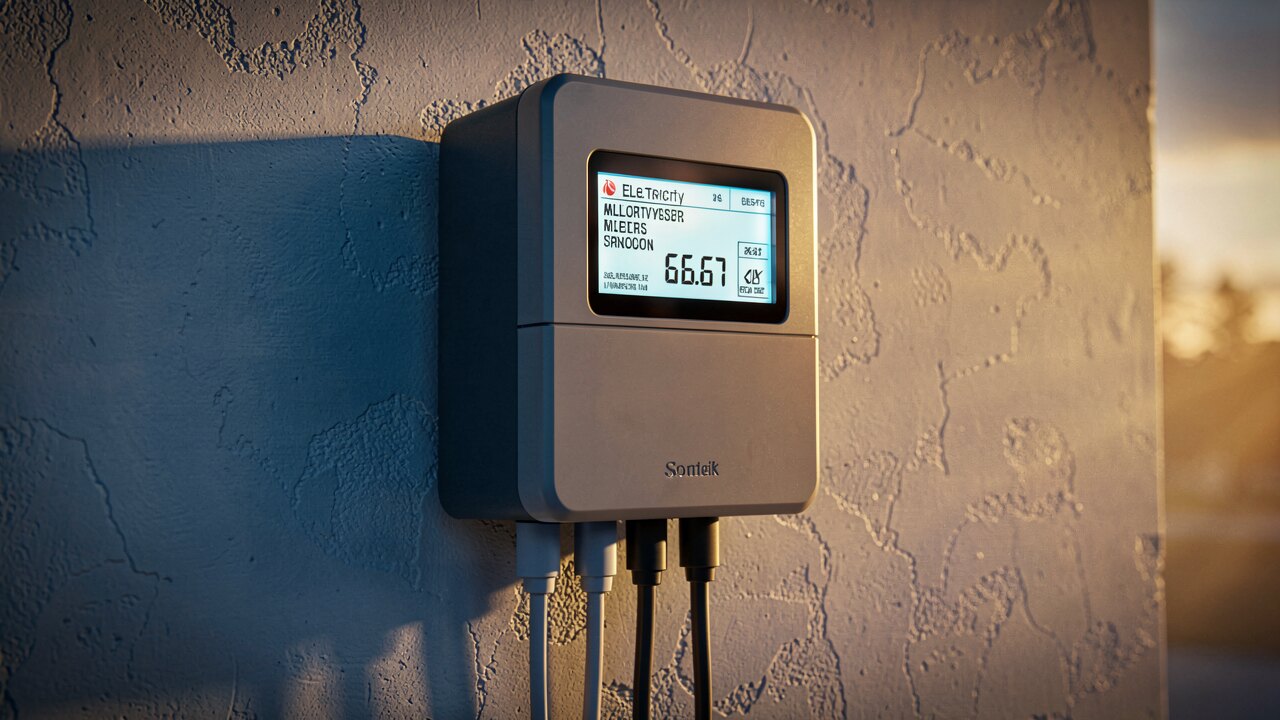
If you run rooftop PV, the BESS stores surplus instead of exporting it cheaply, then supplies it during expensive periods — raising self-sufficiency. The same unit can act as backup power: on a grid outage it keeps critical systems (cold storage, emergency lighting, servers) running, effectively giving you an integrated UPS on top of the peak-shaving savings.
Reported reductions in grid/network fees reach around 35%, and demand-charge reductions of roughly 38% are achievable on peak-heavy profiles. Actual figures depend entirely on your tariff structure and load shape, so real savings should be verified against your own metered load profile before investing — not assumed from a headline percentage.