Peak Shaving with Enterprise Battery Storage (BESS)
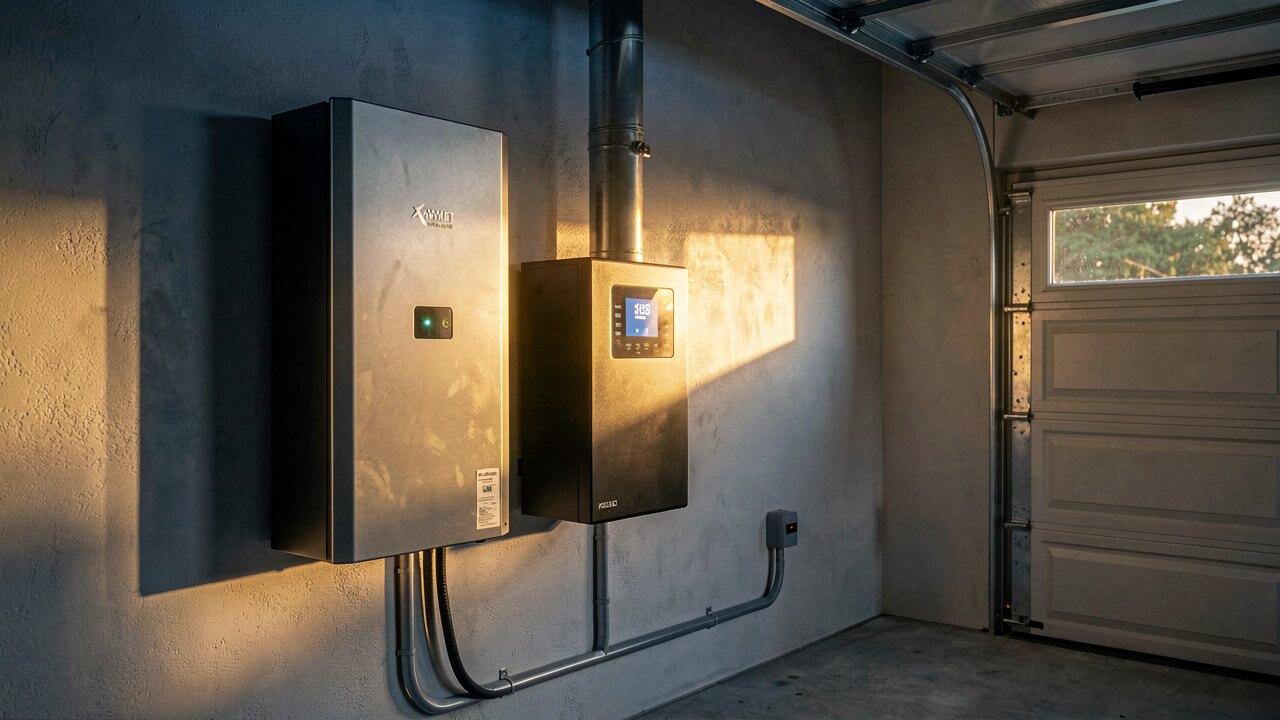
Peak shaving means using a battery storage system (BESS) to discharge during your short high-load moments so your metered power peak stays low. Because commercial grid fees are billed on your highest kW peak of the month, cutting that peak directly lowers your network costs.
Your electricity bill has two parts: the energy you consume (kWh) and the single highest power spike (kW) you draw in the billing period. A BESS charges when your load is low and automatically discharges during brief demand peaks, capping the kW your meter records. Fewer or lower peaks mean lower demand charges — without changing how your equipment operates.
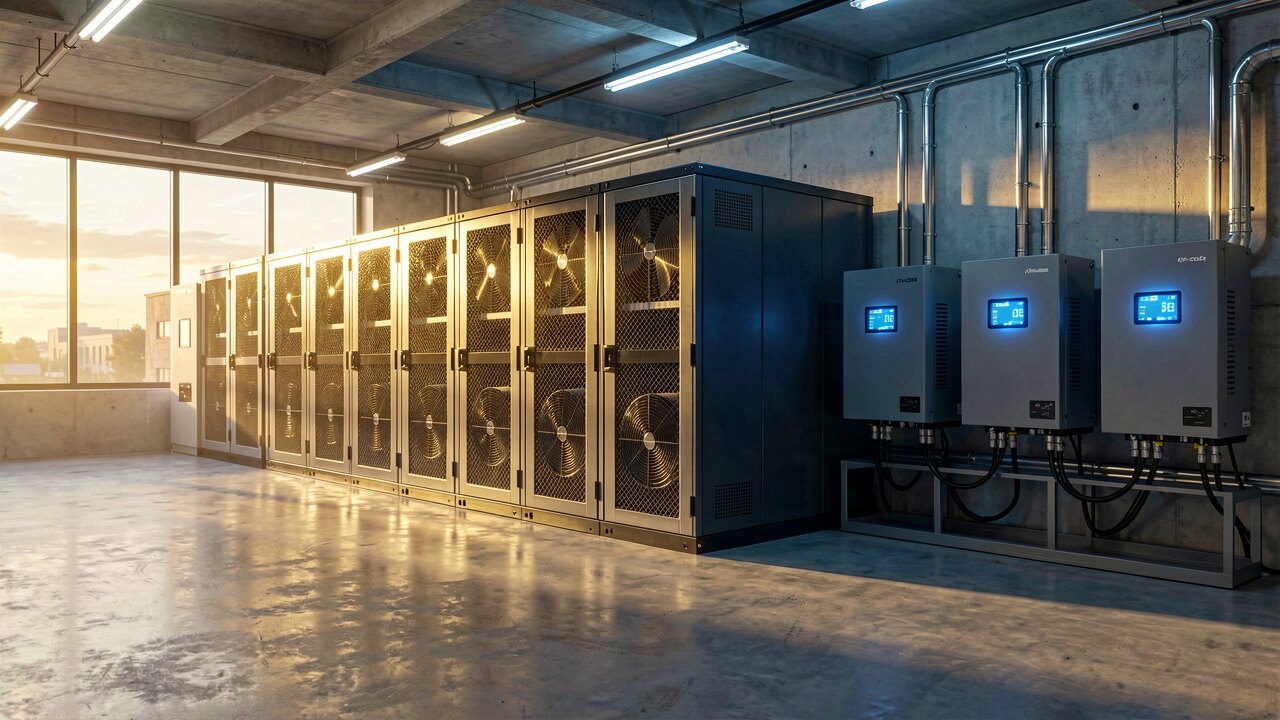
1) The system analyses your load profile to find recurring peaks. 2) A target ceiling (e.g. keep load below a set kW threshold) is defined. 3) The battery charges during off-peak hours. 4) When live load approaches the ceiling, the BESS discharges to shave the spike. 5) Control software repeats this automatically every day based on your usage pattern.

In the Stromfee hotel BESS case, peak shaving delivered up to 35% lower network charges and around 38% demand-charge reduction. The mechanism is direct: a single peak of, for example, 25 MW instead of 22 MW can add tens of thousands to a monthly bill, so shaving that spike removes the extra cost. Actual savings depend on your tariff and load profile.
Peak shaving pays off when your bill includes a demand (kW) charge and your load has short, sharp peaks — typical for hotels, cold storage, kitchens, laundries, and production sites. If your peaks are frequent and predictable, a correctly sized BESS reduces network costs and can be stacked with other benefits. If you have no demand charge or a flat load, the case is weaker.
The same battery can do more than cut peaks: energy arbitrage (charge cheaply at night, use in the expensive evening) adds return; optional PV integration stores rooftop surplus instead of exporting it cheaply; and a backup/UPS function keeps critical systems (cold storage, emergency lighting, servers) running during a grid outage.
Oversizing wastes capital; undersizing misses peaks. The starting point is your measured load profile — it determines the optimal power (kW) and energy (kWh) rating so the battery is large enough to cover your worst peaks but no larger. Stromfee AI sizes the BESS from this analysis and then optimises daily dispatch.