Reactive Power Compensation Explained
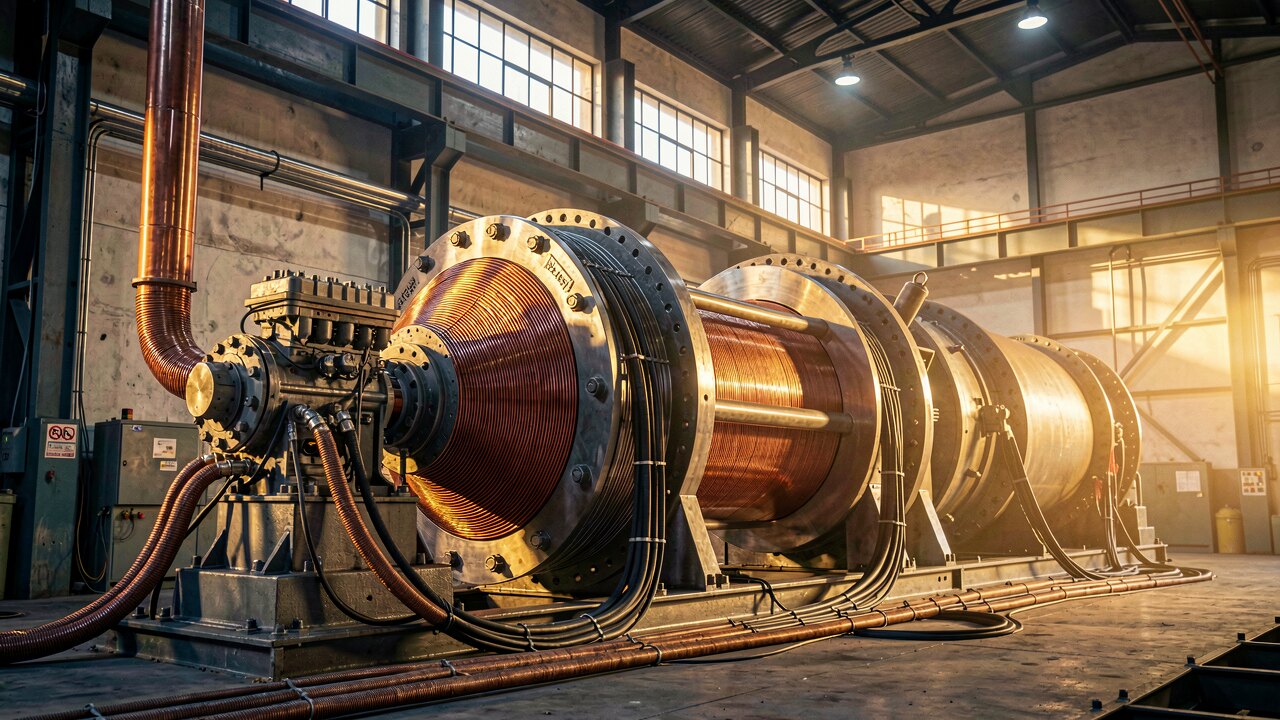
Reactive power compensation adds capacitive or inductive elements to your installation to offset the reactive power drawn by motors, transformers and drives. Done right, it raises your power factor (cos φ) toward 1.0 and can remove reactive-power surcharges from your bill.
Inductive loads such as motors, transformers and variable-frequency drives draw reactive power (Q, measured in var) that loads cables and transformers without doing useful work. Compensation supplies that reactive power locally — typically with capacitor banks for inductive loads — so the grid only has to carry the useful (active) power. The relationship is S² = P² + Q²: reducing Q shrinks the apparent power S you draw.
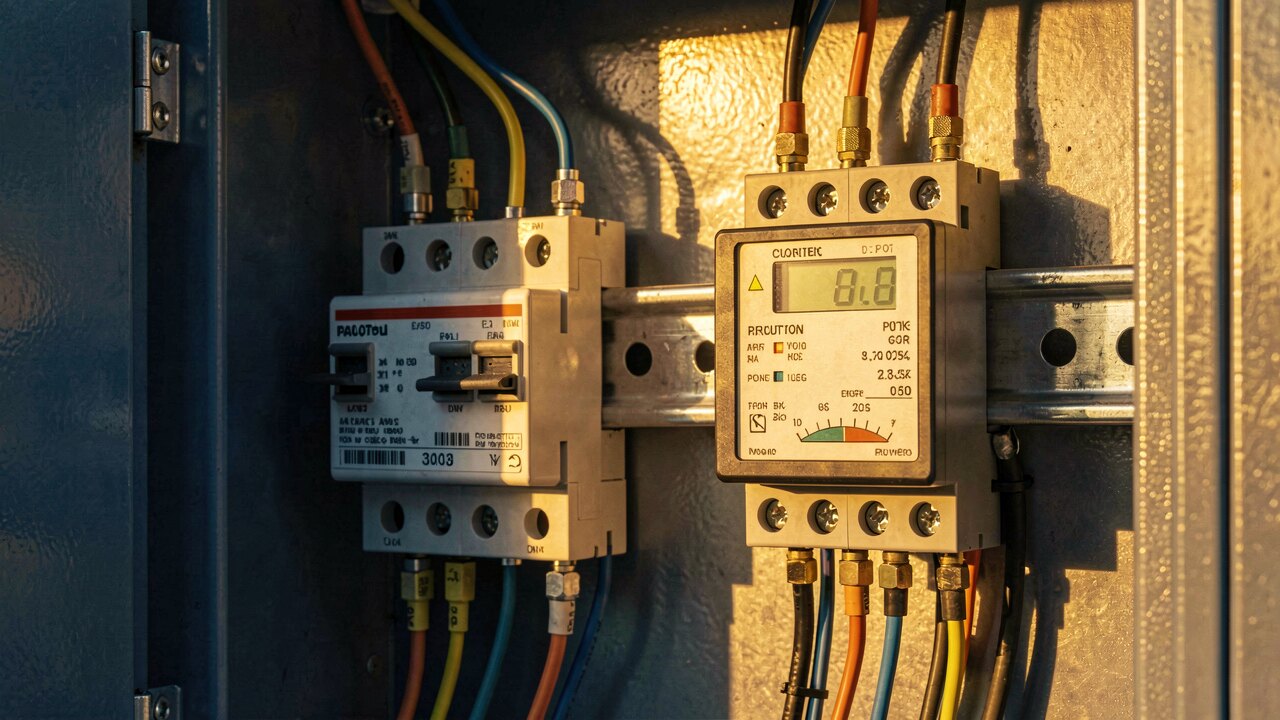
1) Measure: log active and reactive power over a representative period to find your real cos φ and how much it swings. 2) Size: choose the reactive power (kvar) and number of stages needed to lift cos φ into the target band. 3) Install: fit a capacitor bank, usually with automatic (step or thyristor) control that switches stages as the load changes. 4) Verify: re-measure to confirm cos φ and that any reactive-power charge is gone.

Yes, if you currently pay a reactive-power component. Many businesses are billed a reactive-power charge without realising it. Compensation removes or reduces that charge and eases the load on your own cables and transformer. If you have no reactive billing and short cable runs, the payback is smaller — so measure first before sizing any equipment.
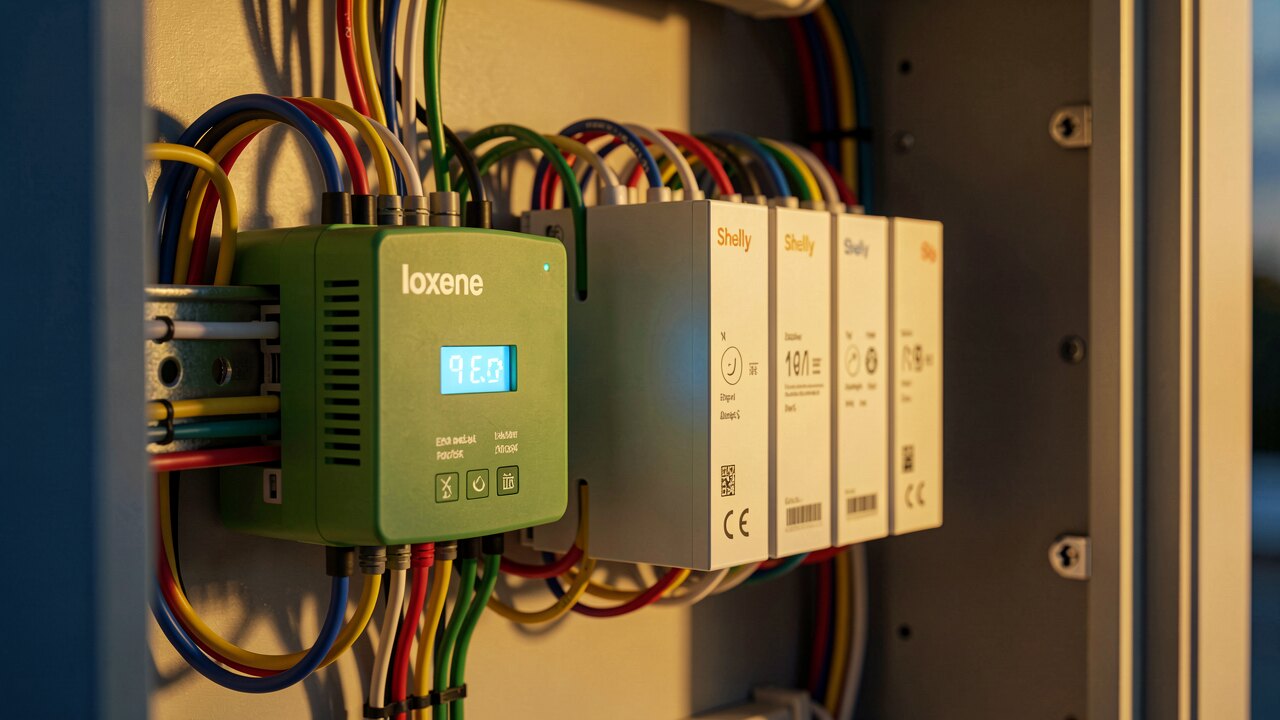
Fixed capacitors suit constant loads (for example a single always-on motor or transformer no-load losses). Where load and cos φ vary through the day, use automatically controlled banks that switch capacitor stages to match demand and avoid over-compensation, which would push the power factor into the capacitive range and cause problems of its own.
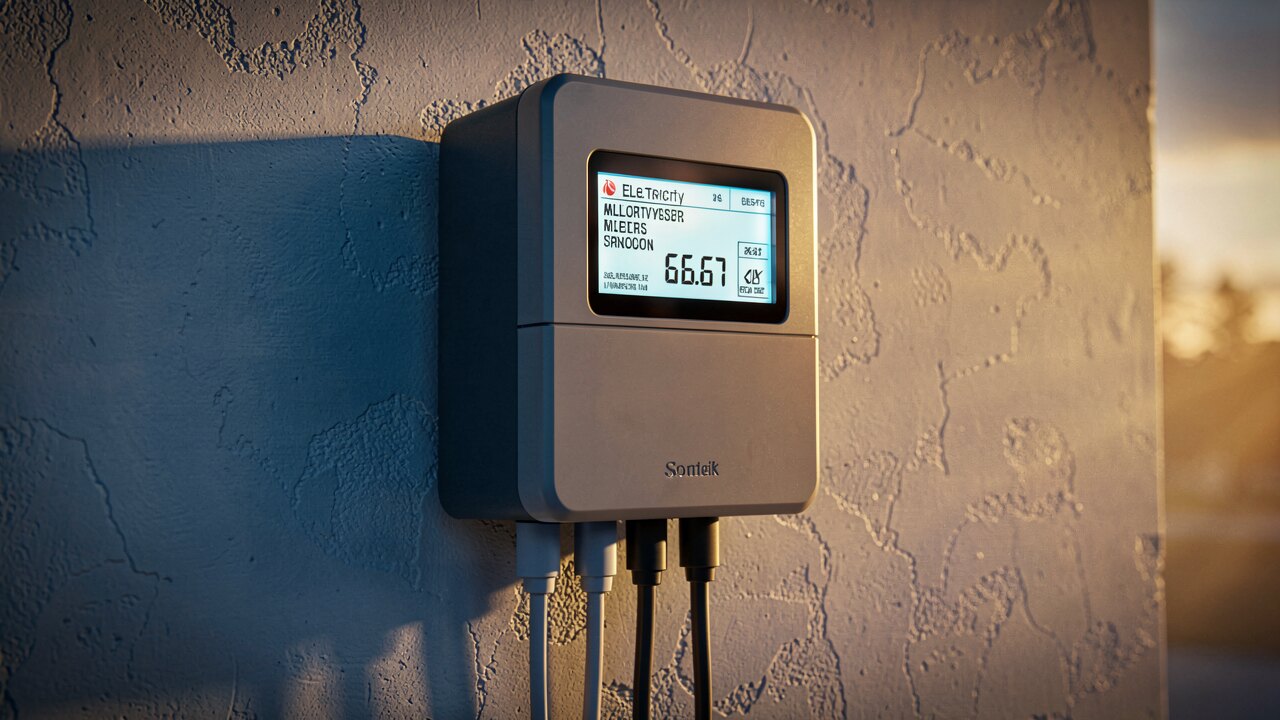
A synchronous generator, e.g. in a CHP/BHKW unit, can provide reactive power through its excitation (AVR) and set the cos φ — typically 0.9 to 1.0 when feeding into the grid. Grid-supportive reactive power can be required or remunerated by the network operator, so on-site generation can double as a compensation source.