Solar Battery Lifespan: How Long Does a Home Battery Really Last?
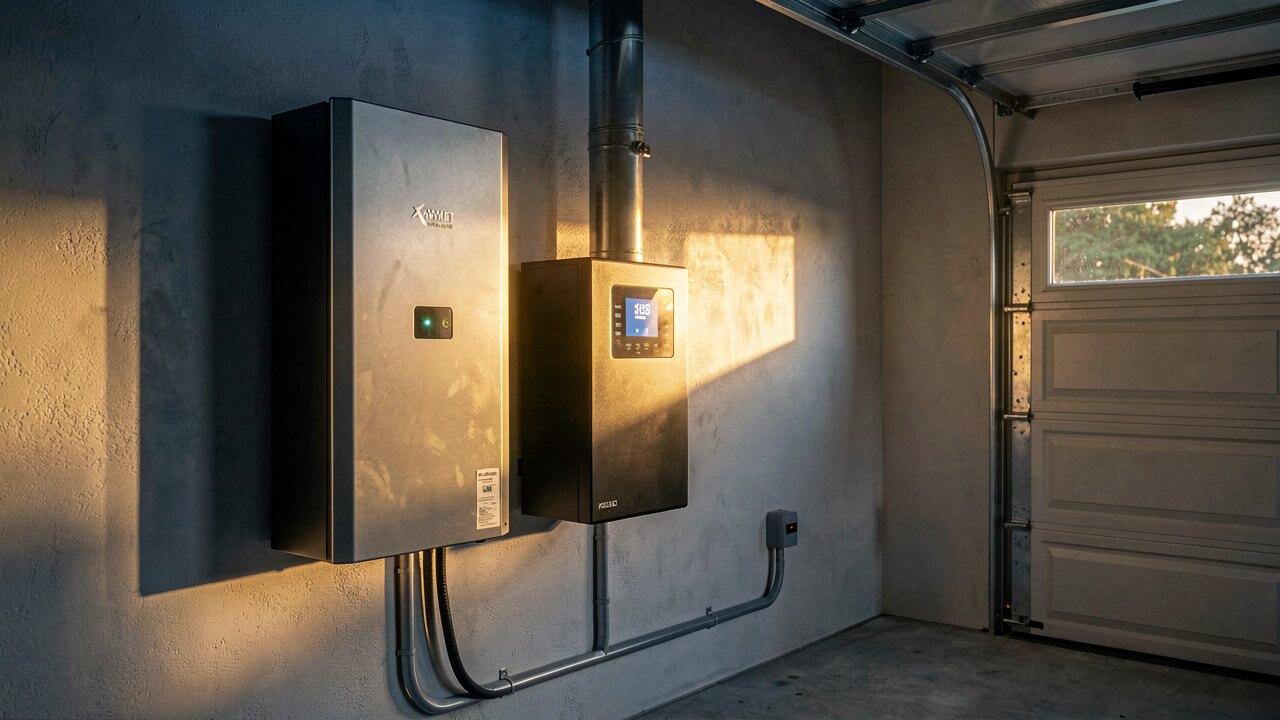
Most modern home solar batteries (LiFePO4) are built to run for 10 to 15 years before they reach their defined end of life at 80% State of Health (SOH). Cycle life and calendar aging both count — so the number on the datasheet is not the number you get in the field.
A solar battery is not "dead" at end of life — it is simply considered worn when it holds only 80% of its original usable capacity (80% SOH). For today's lithium iron phosphate (LiFePO4) home storage, that point is typically reached after 10 to 15 years of normal daily solar cycling. So a 10 kWh battery that stores about 3,650 kWh a year still delivers roughly 8 kWh usable when it retires.
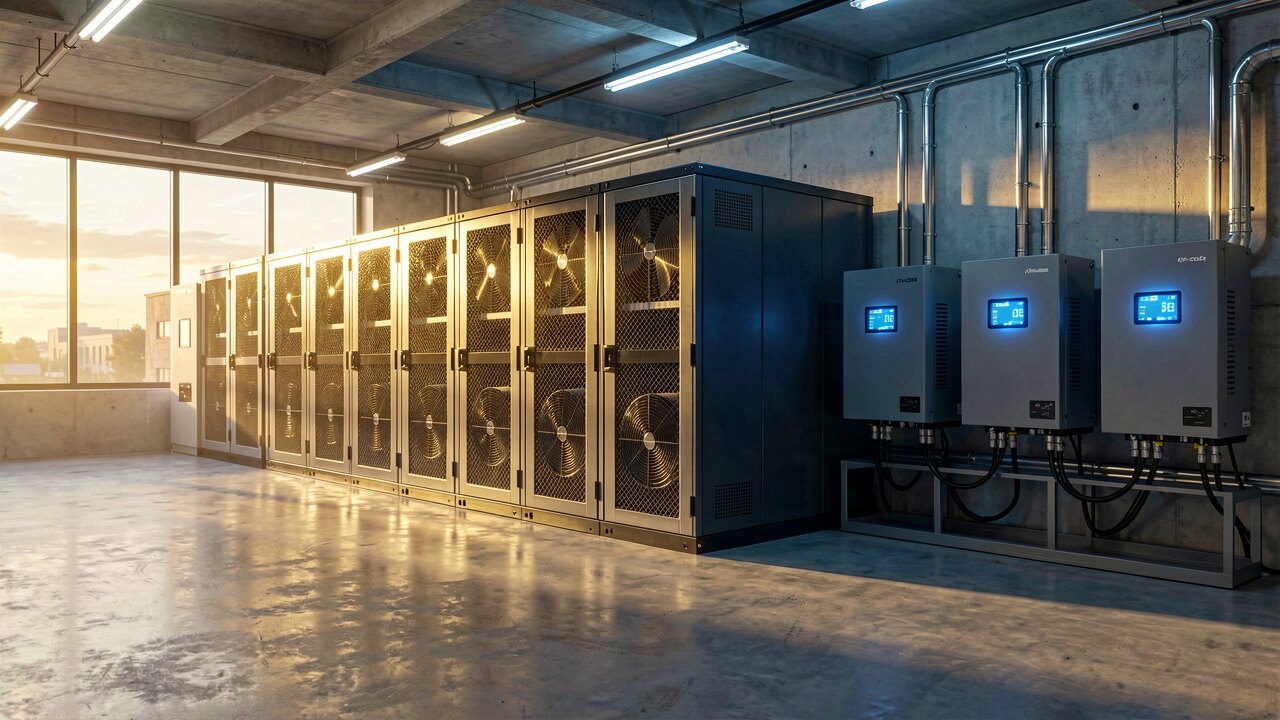
Datasheets promise 6,000 or even 10,000 full cycles at 80% SOH. Field data tells a more nuanced story: batteries are often still at 88–92% SOH after three years and only about 1,200 equivalent cycles. The reason is that pure cycle-counting ignores calendar aging (the cell ages even when idle), temperature stress, and partial cycles spent sitting at a high state of charge. Whether the datasheet cycle number is ever reached depends far more on how you run the battery than on the cell itself.

Four factors dominate real-world aging. Cycles: each full charge/discharge consumes a little capacity. Calendar time: chemistry degrades slowly with age regardless of use. Temperature: heat is the biggest accelerator — a battery in a hot, unventilated spot ages faster. High state of charge: leaving the battery full for long periods adds stress. This is why two identical batteries can show very different health after the same number of cycles.
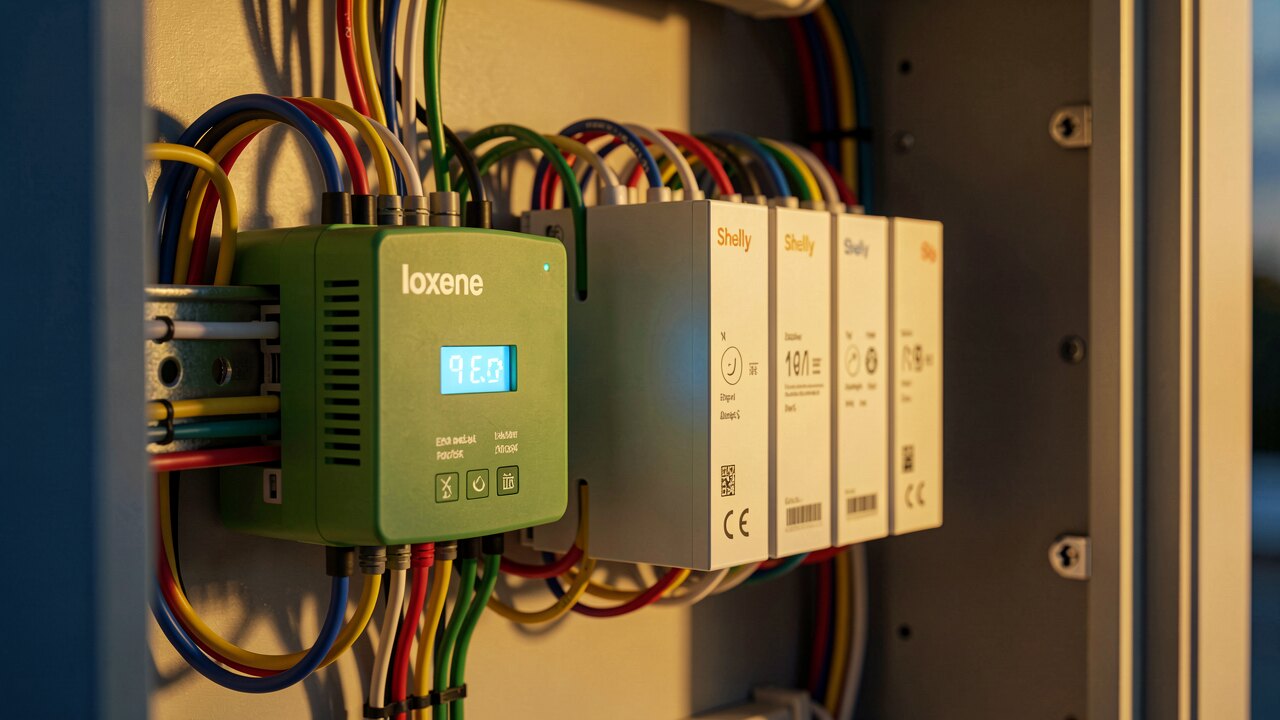
Site the battery in a cool, dry, ventilated space (ideally 10–25°C), avoid direct sun and unheated garages that swing to extremes. Let it cycle rather than sit permanently at 100% — a battery that charges at midday and discharges in the evening for self-consumption is doing exactly what it's built for. Avoid habitually draining it fully or keeping it topped off for days. Firmware and a good battery management system handle most of this automatically, but placement is on you.
Manufacturers typically back home batteries with a warranty of around 10 years, or a stated number of cycles / total energy throughput — whichever comes first. Most guarantee a minimum residual capacity (commonly 70–80% SOH) at the end of the term. Read the fine print: a 10-year warranty with a low throughput cap can expire before the years do if you cycle the battery hard. The warranty is a floor, not a prediction — well-treated cells often outlive it.
Replace when the remaining usable capacity no longer covers your evening self-consumption, or when SOH drops well below 80% and your solar savings shrink noticeably. There's rarely a single failure moment — capacity simply fades. Because a battery that lifts self-consumption from 30% to 70%+ is what drives the savings, the right time to replace is when that self-consumption boost starts falling, not on a fixed calendar date.