The Energy Monitoring Market Explained
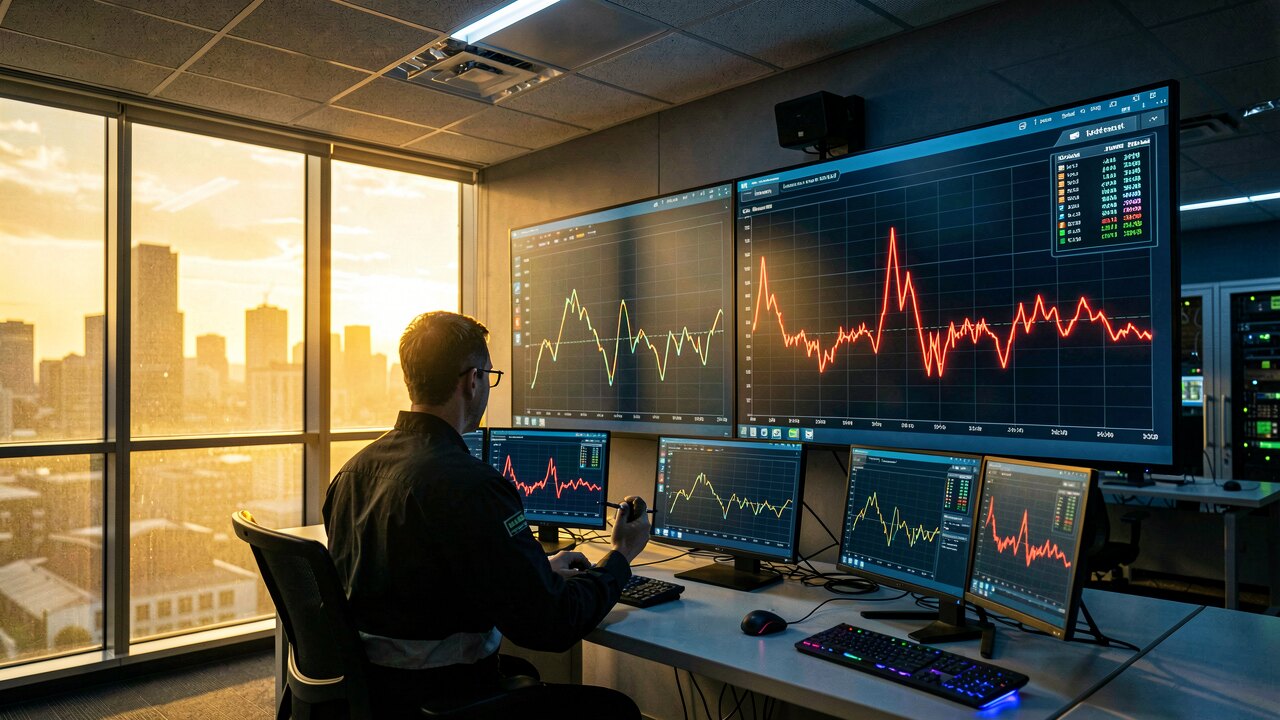
The energy monitoring market covers the hardware, software, and services that measure and analyse how much energy a building, site, or process uses in real time. It spans everything from a single sub-meter to full platforms that turn live consumption data into cost, efficiency, and CO₂ insights.
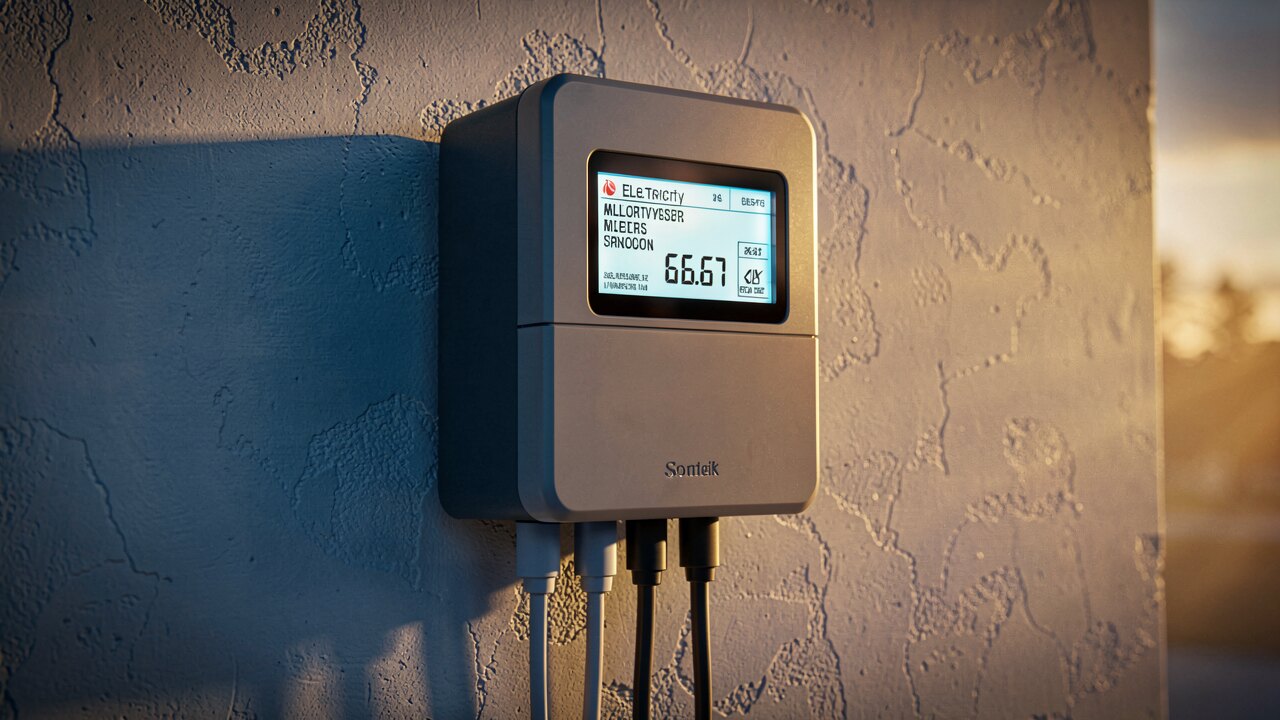
At its core it delivers three things: measurement (meters and sensors capturing consumption), transmission (getting that data into a database in real time), and analysis (software that shows where energy goes and where it is wasted). Vendors differ mainly in how deep the analysis goes and how much integration into your existing systems they offer.
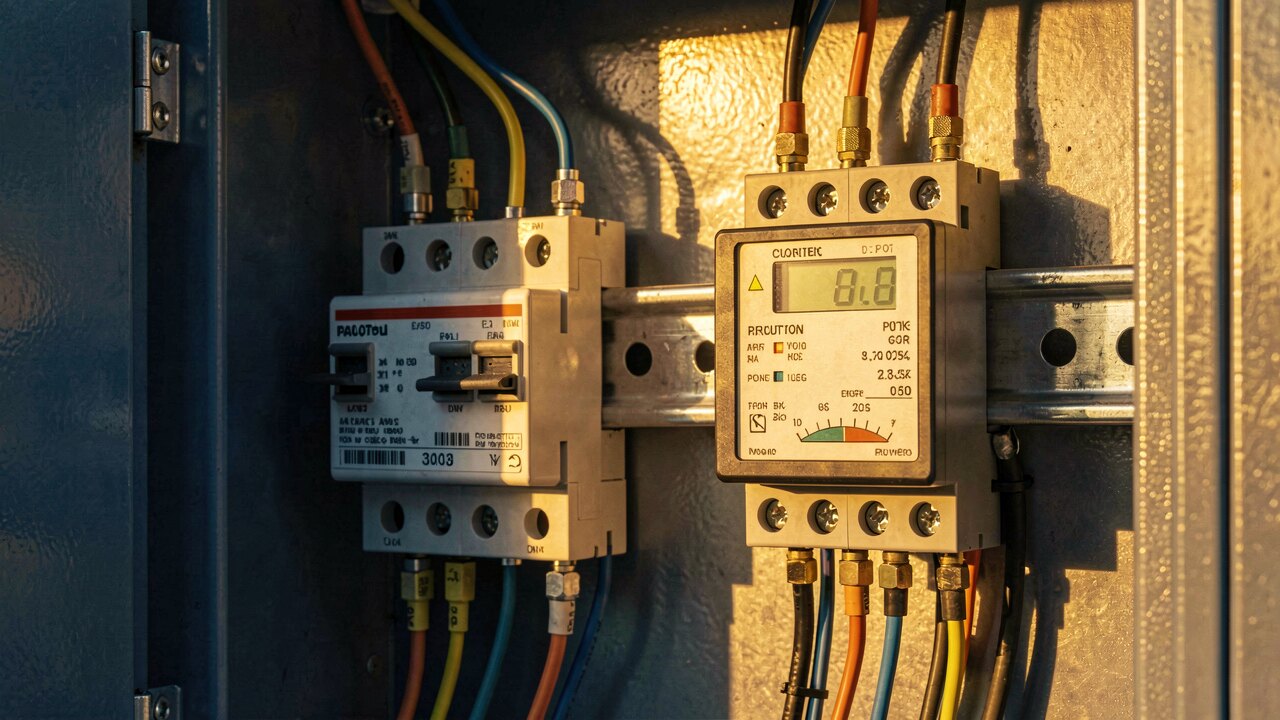
The main buyers are industrial and commercial operators, property managers, and increasingly households. Businesses use it to find inefficient equipment or processes and cut costs; facilities use it to avoid demand peaks and react to fluctuating electricity prices; homeowners use it to understand and reduce their bills.
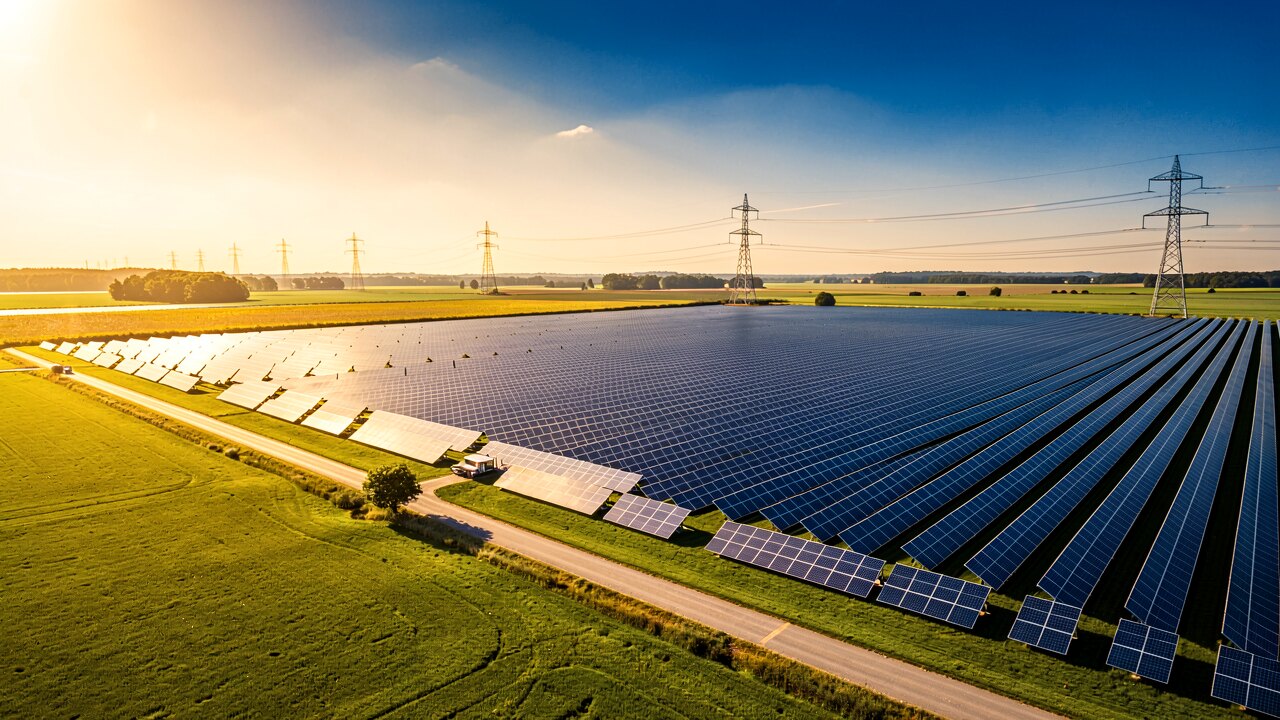
Periodic checks (monthly bills, annual audits) tell you what already happened. Real-time monitoring shows consumption as it occurs, so you can spot spikes, correct them immediately, and avoid costly peak loads. Continuous data is what separates a monitoring platform from a one-off energy audit.
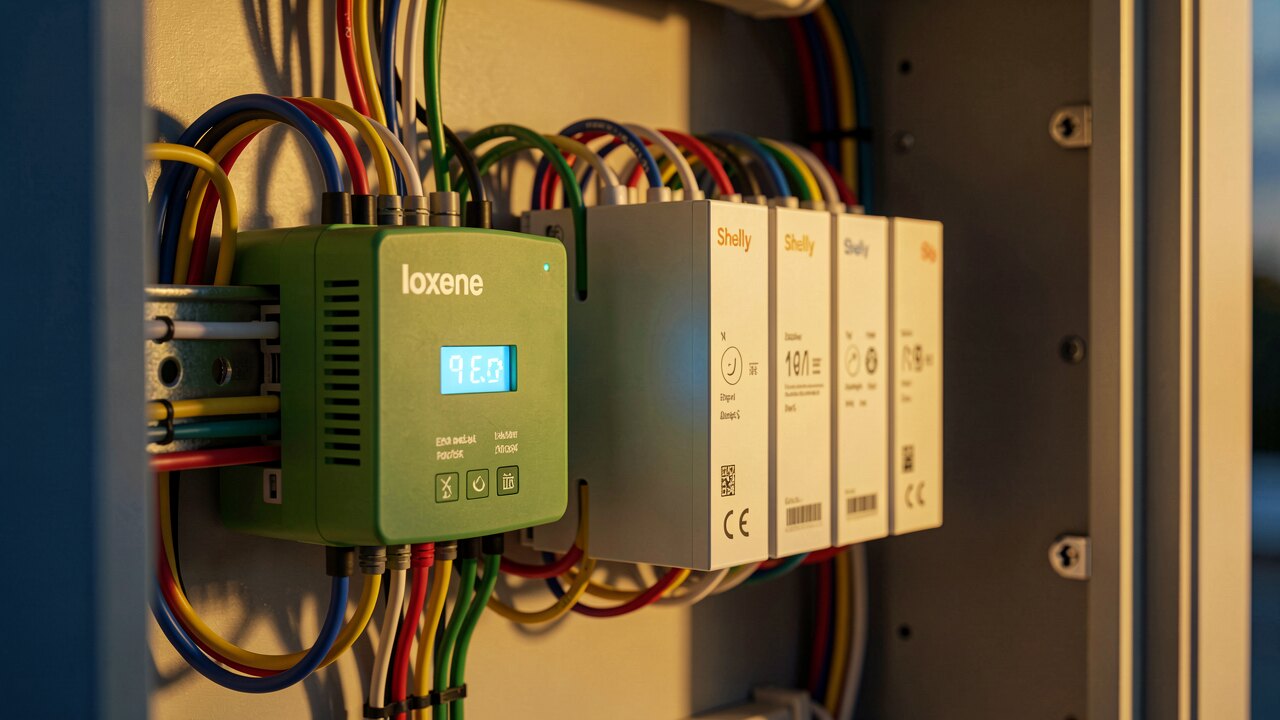
Match the depth to your goal. For a quick start you don't need a full retrofit: identify your biggest loads, add metering there, and get the data into one dashboard. Check that the system integrates with your existing infrastructure, delivers live data, and lets you act on it — not just view it.
Be cautious with headline figures on savings or market size unless they are backed by measured data. A monitoring system only pays off if the insights lead to action: switching off waste, shifting loads away from expensive hours, and comparing sites. Data you never look at saves nothing.