Negative Electricity Prices: What They Are and Why They Happen
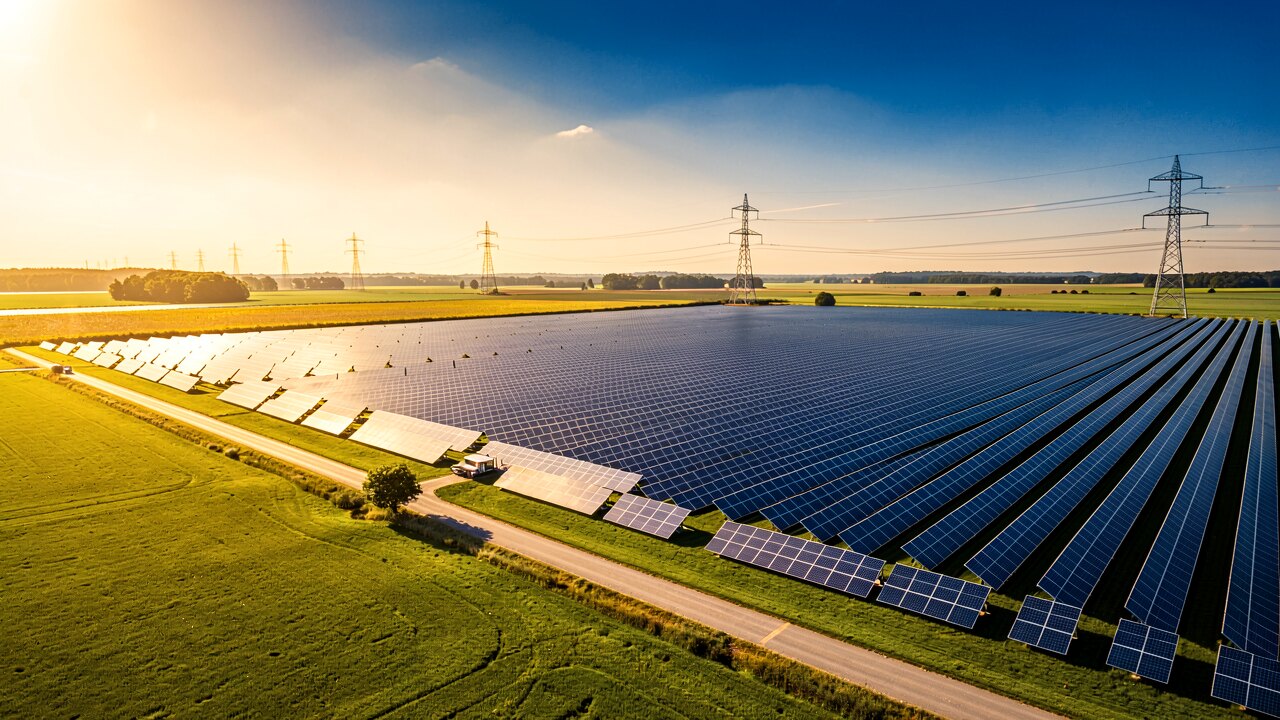
A negative electricity price means the wholesale power price falls below zero, so producers effectively pay to feed electricity into the grid instead of getting paid for it. It happens when there is more electricity in the grid than is needed at that moment — and it is becoming more common as solar and wind capacity grows.
On the wholesale market (day-ahead and intraday exchanges such as EPEX SPOT), electricity is priced hour by hour, or in even shorter blocks. Normally the price is positive. When generation exceeds demand and cannot be reduced fast enough, the price can drop below 0 €/MWh. During those hours, whoever feeds power in pays, and whoever consumes it is effectively paid to do so. It reflects a physical surplus: the grid must stay in balance, so an oversupply pushes the price down until enough consumption is triggered or generation is curtailed.

Two things line up: very high output from renewables and low demand. On sunny, windy days — often around midday, on weekends or holidays — solar and wind flood the grid while factories and offices use little power. Inflexible plants (some conventional and combined-heat-and-power units) keep running because shutting down and restarting is costly or technically limited, so they would rather pay a small negative price than switch off. The result is a temporary oversupply and a price below zero.
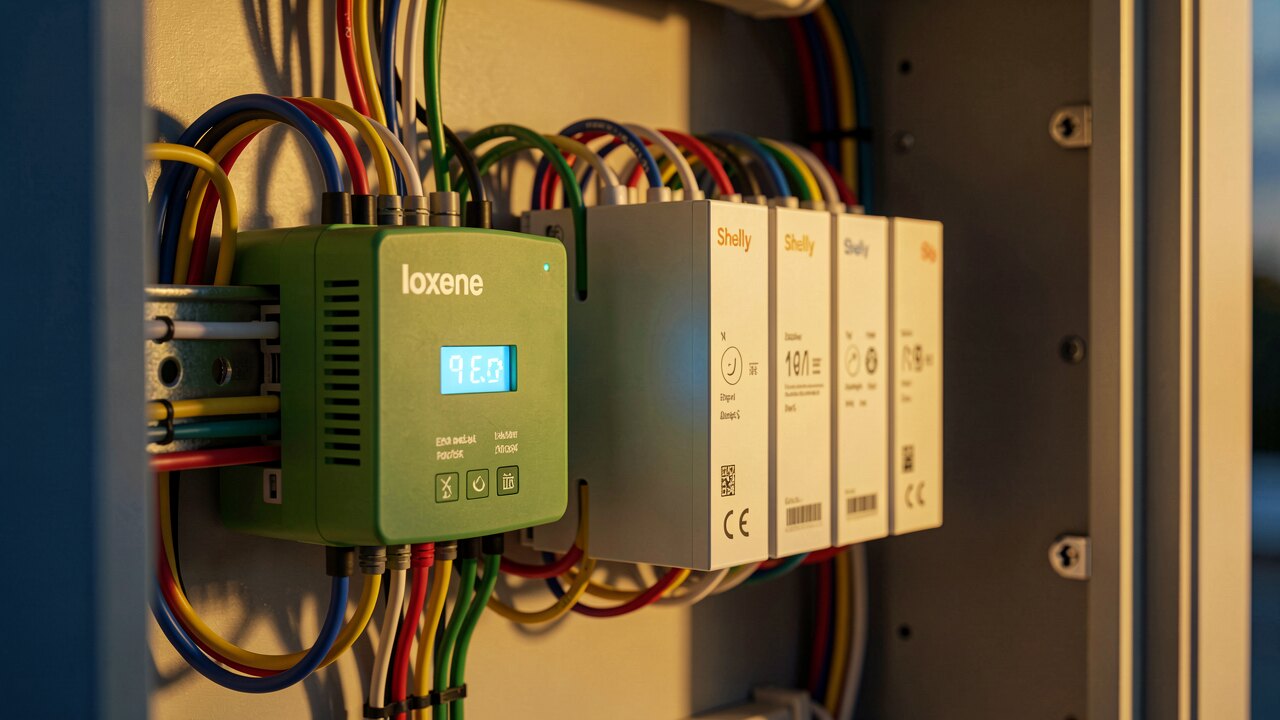
Producers selling on the wholesale market pay during negative hours. Consumers with a dynamic, market-linked tariff — and flexible loads like batteries, heat pumps or EV chargers — can be paid to consume. A battery is the clearest example: it charges exactly when the price is negative (getting paid to absorb energy) and later discharges when prices are high. Households on a fixed tariff usually don't see the negative price directly, but the effect can filter through to overall electricity costs over time.
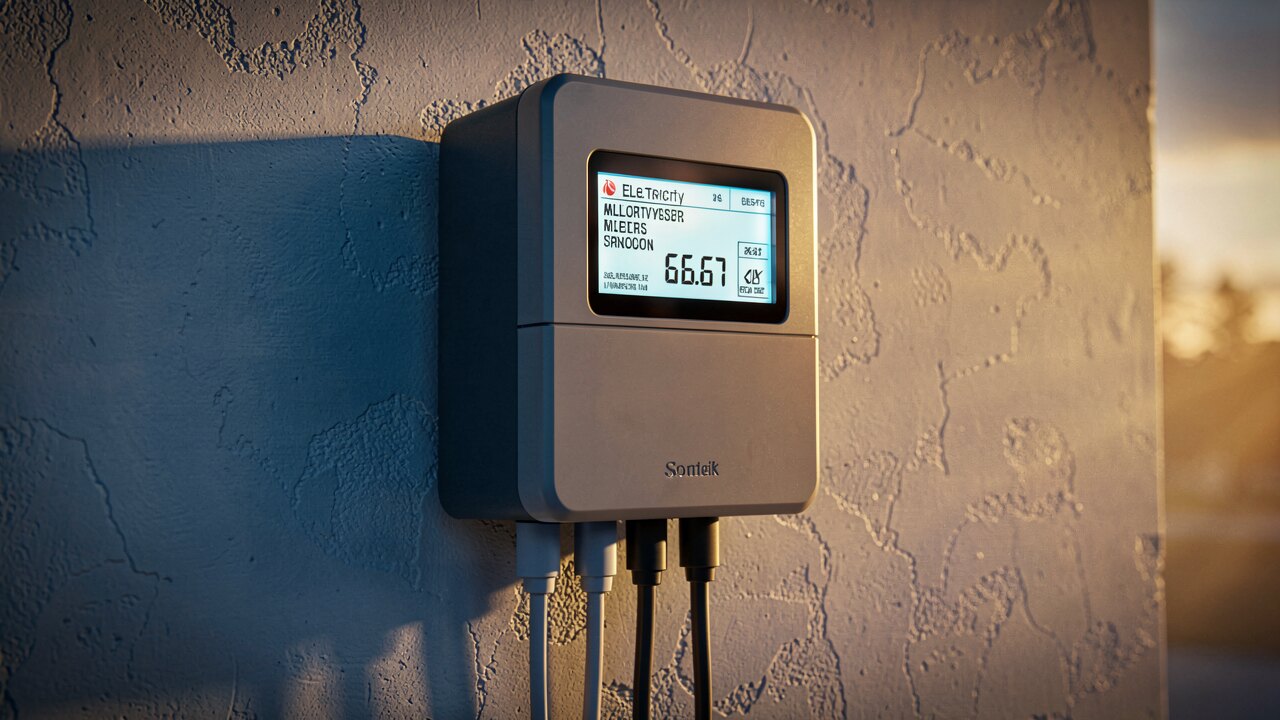
Under §51 EEG, feed-in remuneration for many PV plants is suspended during hours when the day-ahead price is negative. In those hours the panels keep producing, but the operator may receive no payment for the energy fed in. That makes negative-price hours a real financial gap for solar operators — and a strong argument for storing that energy in a battery, or shifting your own consumption into those hours, instead of exporting it for nothing.
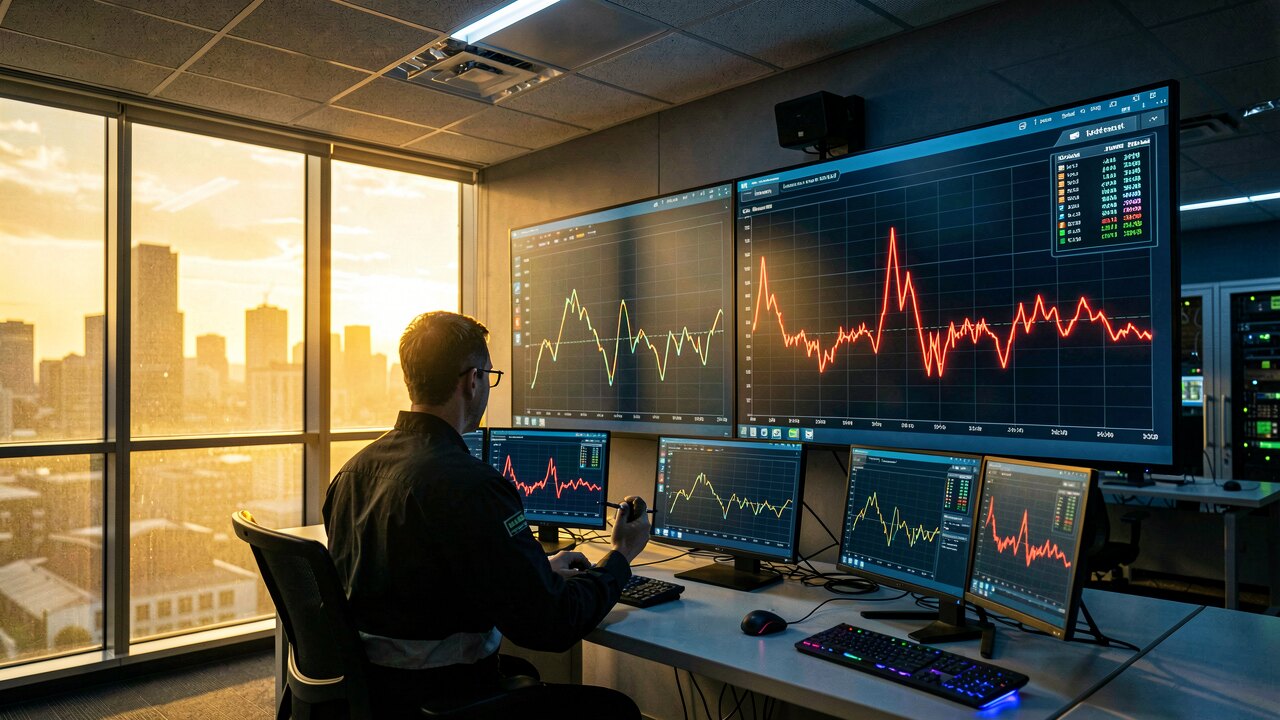
The core move is to shift consumption into negative-price windows. A battery storage system charges during those hours — you avoid feeding in for free and get cheap (or paid-for) energy to use later. A dynamic electricity tariff lets you run heat pumps, EV charging or other flexible loads when prices are lowest. For businesses with controllable processes, moving load into surplus hours turns a market problem into a saving. The prerequisite is visibility: knowing when negative prices occur and automating the response.
Negative-price hours have risen sharply in Germany as solar and wind capacity has grown, now reaching several hundred hours per year in recent years, concentrated in sunny and windy periods. The trend is expected to continue as more renewables come online without matching flexibility and storage. That is why storage and demand flexibility are moving from 'nice to have' to a core part of getting value out of your own generation.