What does "Festpreis" mean for your electricity contract?

"Festpreis" is simply the German word for "fixed price" — in energy contracts it means the price per kilowatt-hour is locked for the whole contract term. It gives you budgeting certainty, but it is not automatically the cheapest option compared with variable or dynamic tariffs.
A Festpreis (fixed-price) electricity tariff sets a guaranteed price per kWh for the agreed contract period, so your unit rate does not change even if wholesale market prices rise or fall. In Germany this is the standard, most common tariff type offered by nearly every supplier.
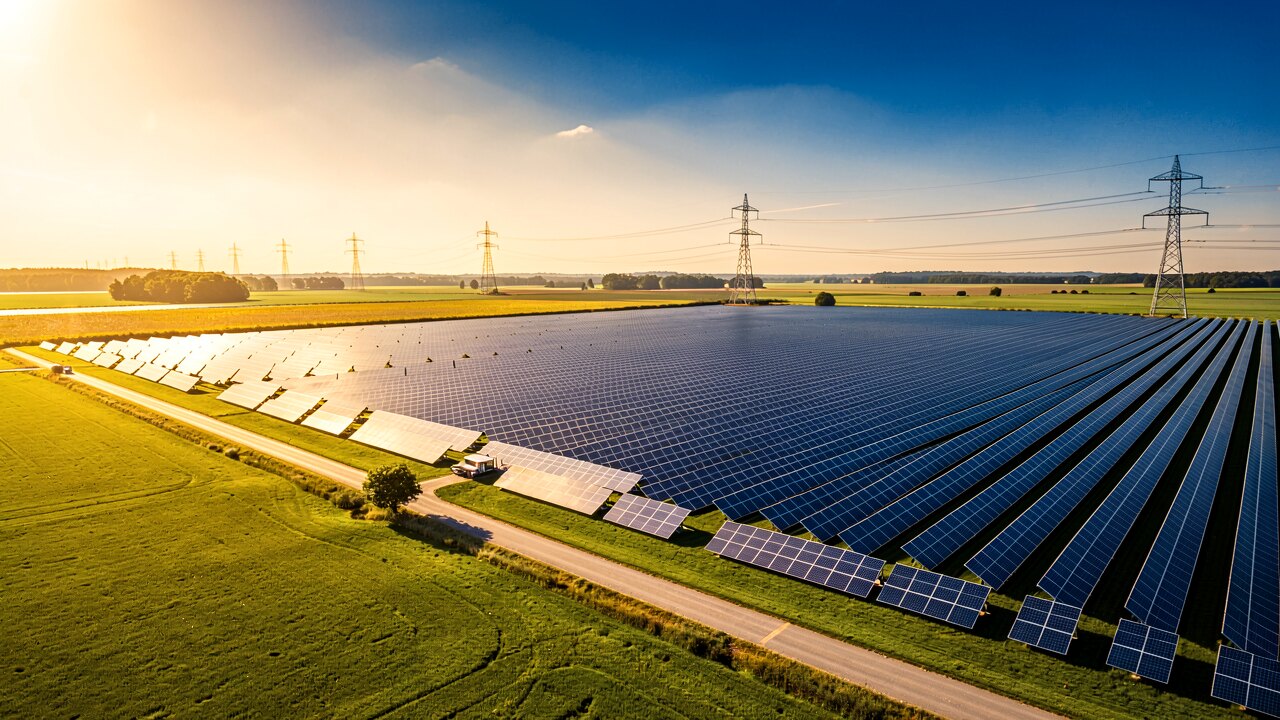
A fixed price protects you from price spikes and makes your bill predictable. A dynamic (variable) tariff follows the day-ahead exchange price hour by hour — potentially cheaper on average, but you carry the risk when prices jump. Dynamic tariffs are a newer, fast-growing option in Germany.
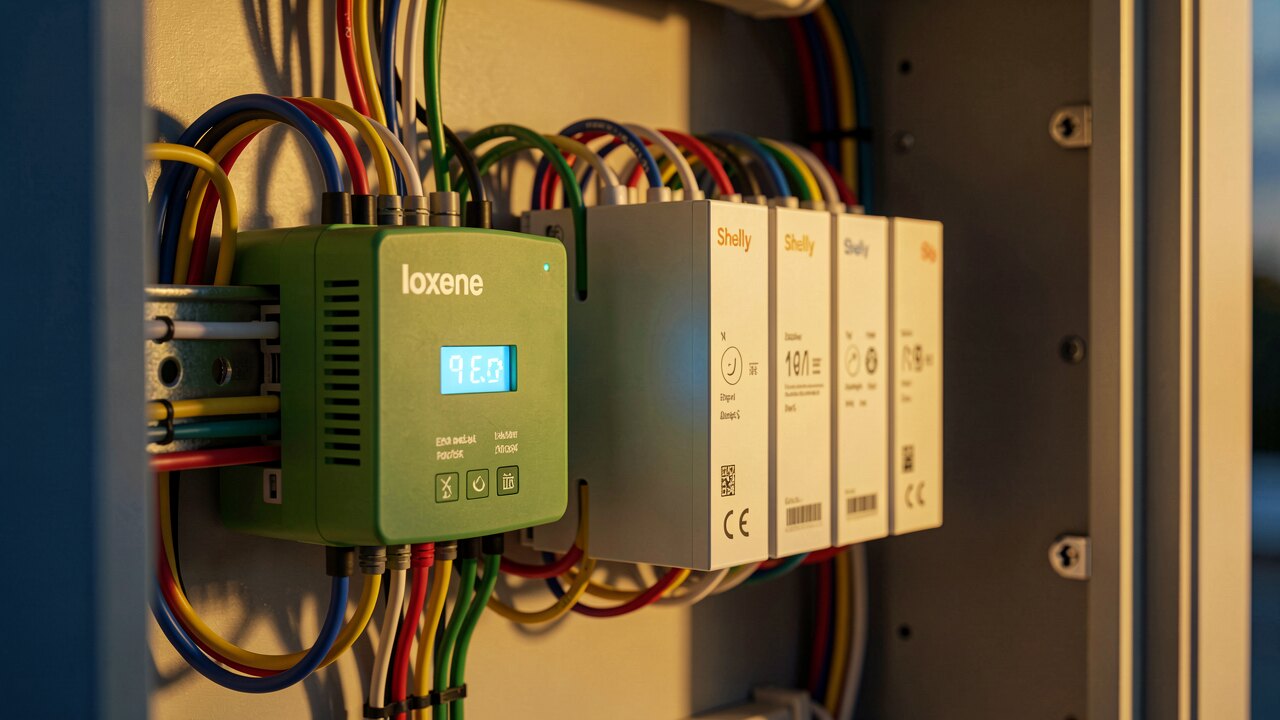
It is worth it if you value planning certainty and cannot shift your consumption to cheap hours. But a fixed rate is often set above the exchange average to cover the supplier's risk — in our academy example a 32 ct/kWh fixed rate ended up more expensive than the average spot price, so paying for certainty has a cost.
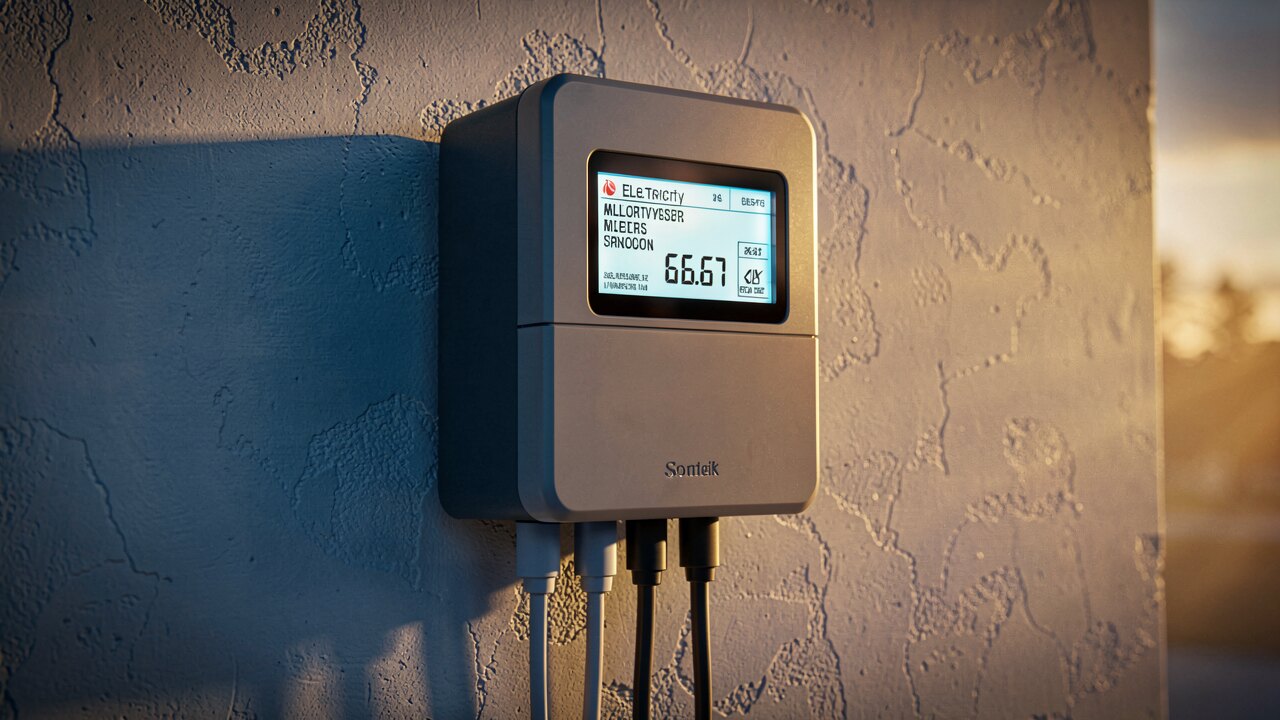
If you can move consumption into low-price hours — with a battery, heat pump, EV charging or smart control — a dynamic tariff usually beats a fixed one, because you actively buy power when it is cheap instead of paying one flat rate around the clock.
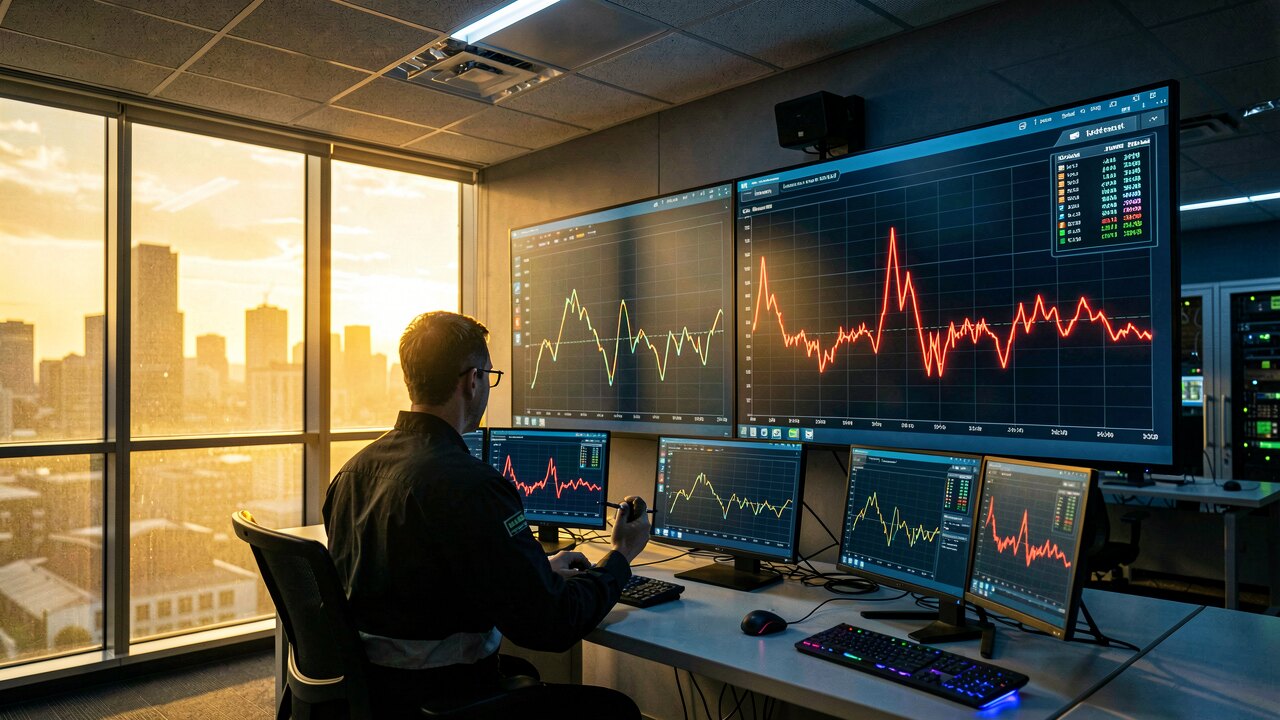
Look at the fixed unit price (ct/kWh), the price-guarantee period, the contract length and any notice period. A "Preisgarantie" (price guarantee) may exclude taxes and grid fees, so confirm exactly which components are actually frozen.