What Is a PV Monitoring System?
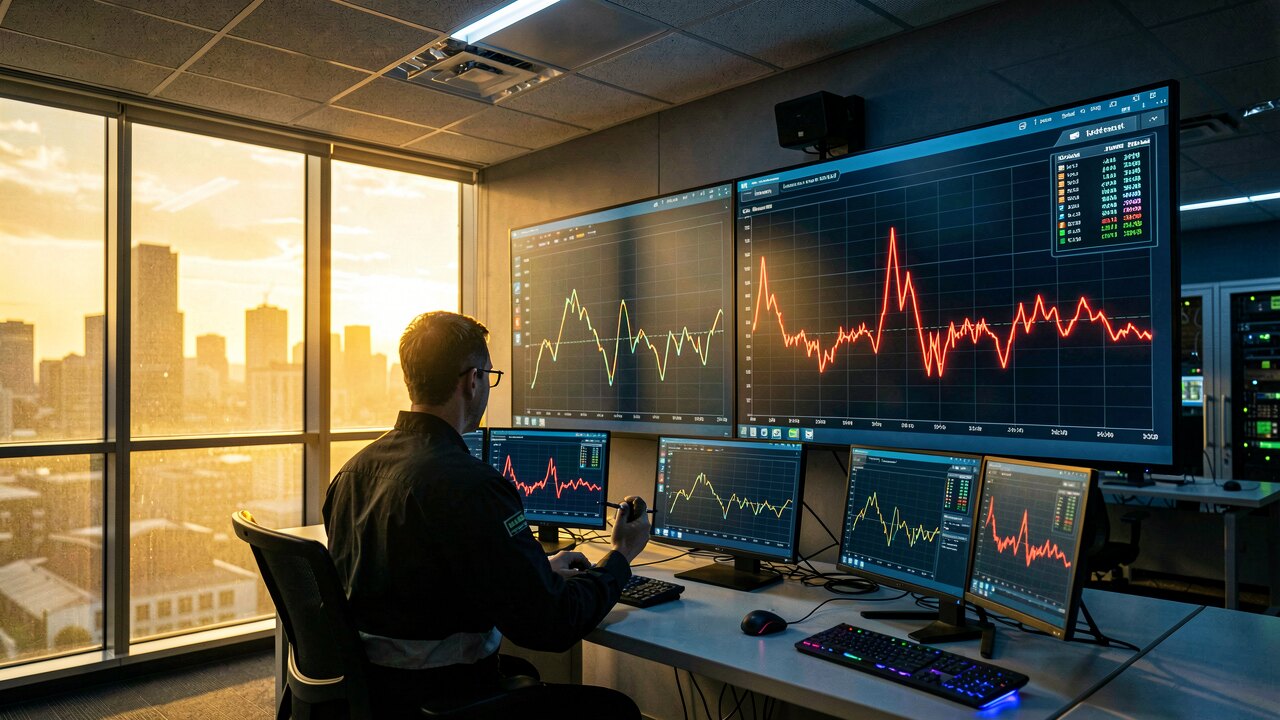
A PV monitoring system is the hardware and software that continuously measures your solar plant's production, consumption, and feed-in, then shows the data in real time so you can spot faults and lost yield early. At its core it reads sensors and meters, transmits the values over a protocol such as MQTT, and displays them in a dashboard or app.
It records how much your PV array produces, how much you consume, and how much you feed into the grid — then compares actual output against expected output. When a string underperforms, an inverter faults, or feed-in is being capped, the system makes it visible instead of leaving it hidden in your annual bill. That early warning is the main reason to install one: undetected faults quietly cost yield for months.
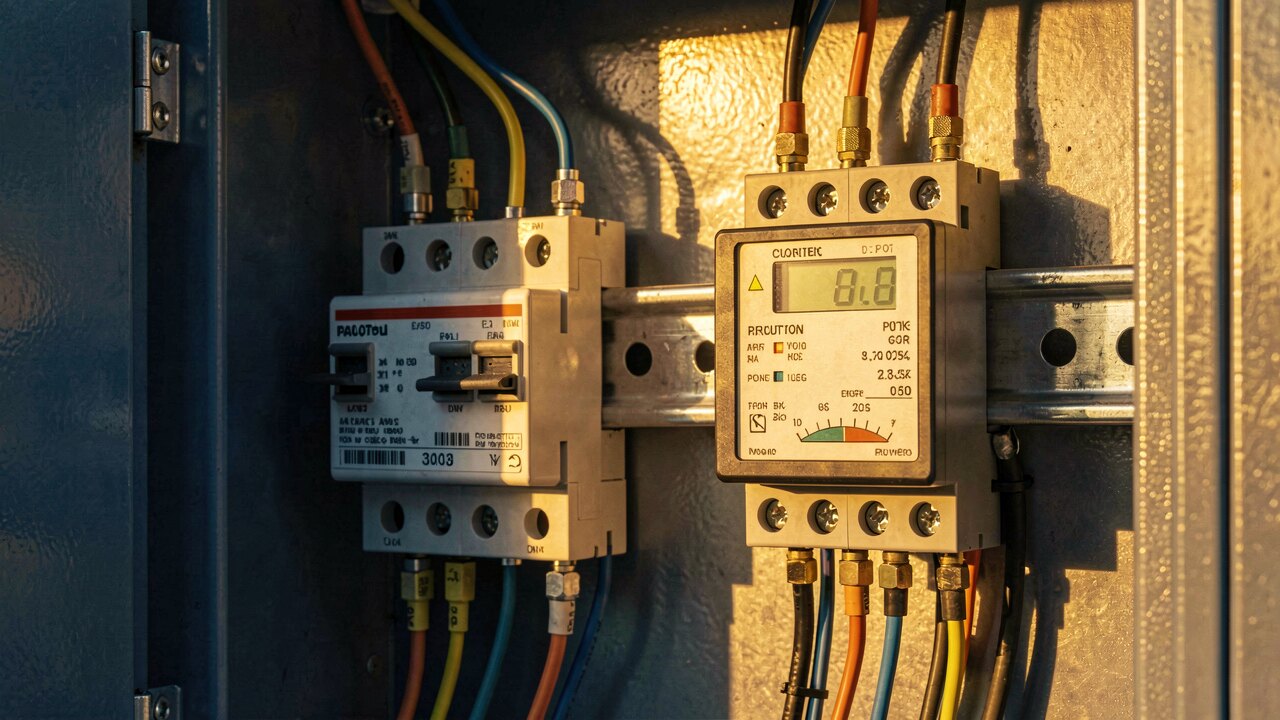
1) Sensors and meters at the plant (inverter data, energy meters, and optionally battery/storage monitors) that capture the raw values. 2) A communication layer that moves the data — MQTT is a common, reliable choice in automation. 3) A software layer (dashboard, web portal, or app) that stores, visualizes, and analyzes the readings. AI-assisted systems add automatic anomaly detection on top of the raw charts.
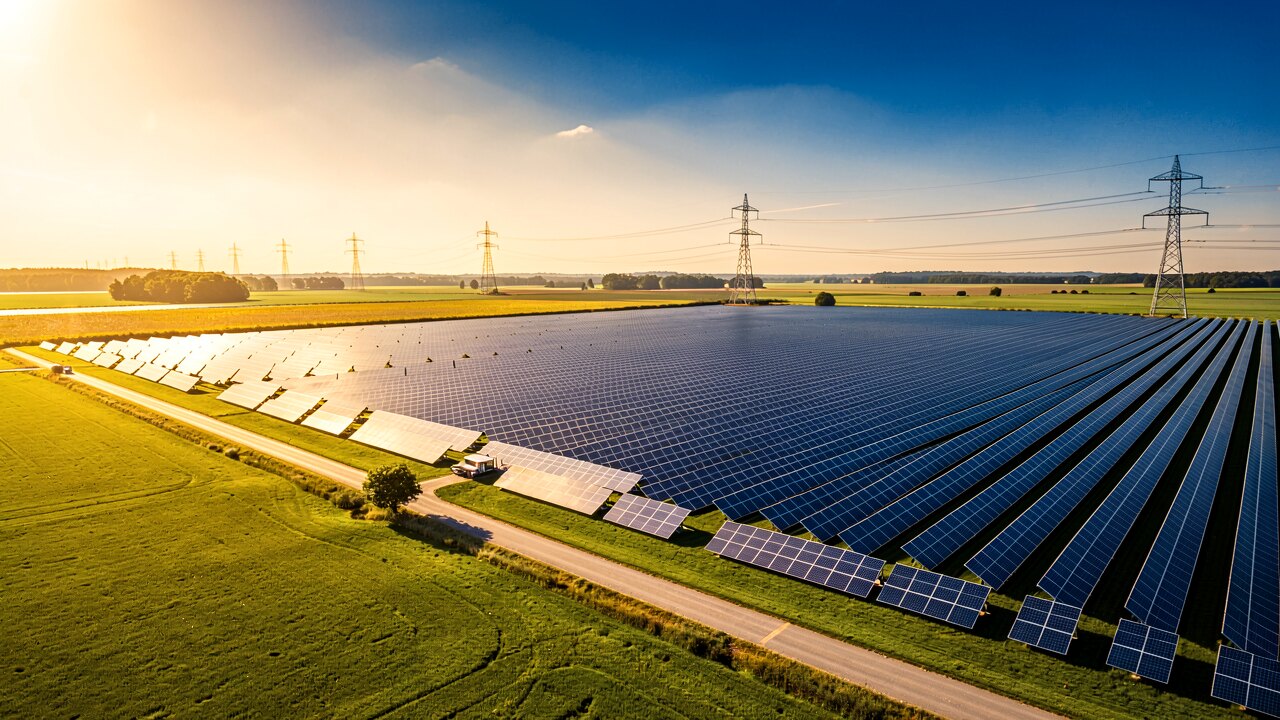
Track generation (per inverter, ideally per string), household or site consumption, and grid feed-in as separate figures — a single total hides where energy is lost. If you run a battery, add a battery monitor: it shows state of charge and charge/discharge flows, so you can see how much self-generated power the storage actually shifts rather than assuming it. Together these give you the self-consumption and feed-in picture that drives real savings.
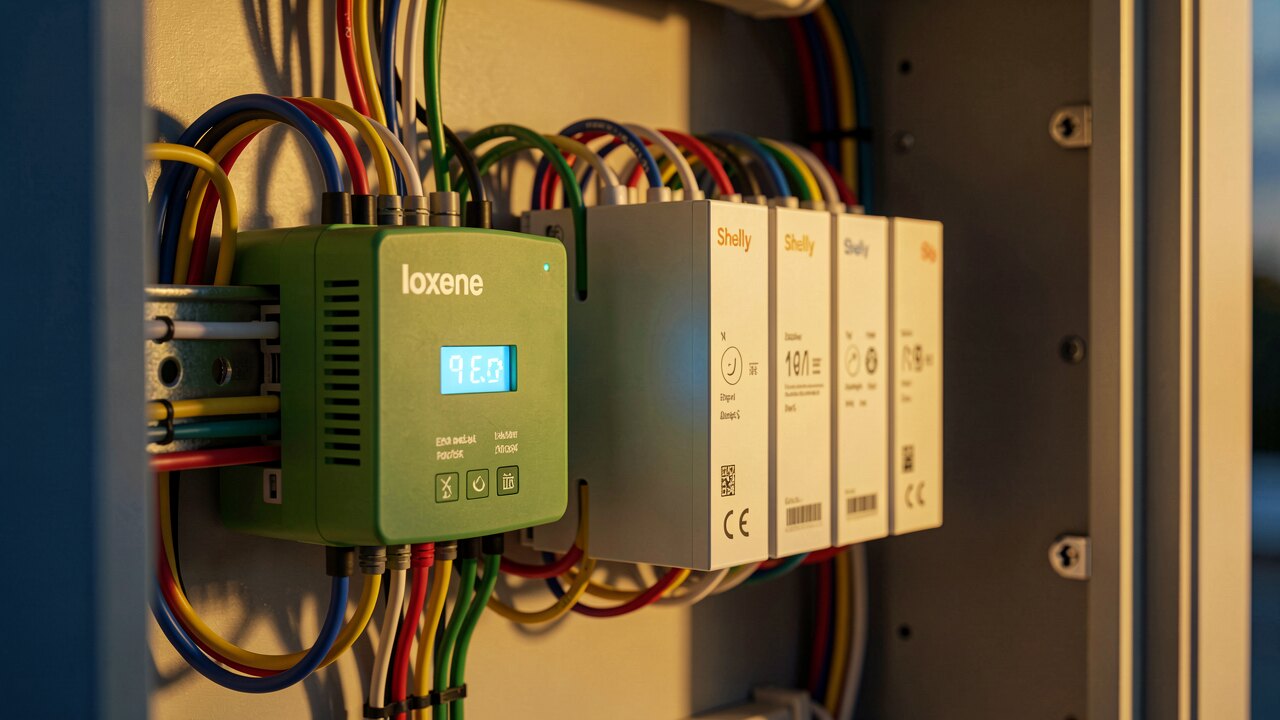
Check that it reads your inverter and meter brands, that data updates in near real time rather than once a day, and that it separates production, consumption and feed-in. Prefer open, standard protocols (like MQTT) so you are not locked to one vendor, and look for automatic alerts on underperformance — not just pretty charts you have to watch. For plants with storage, confirm it integrates battery monitoring too.
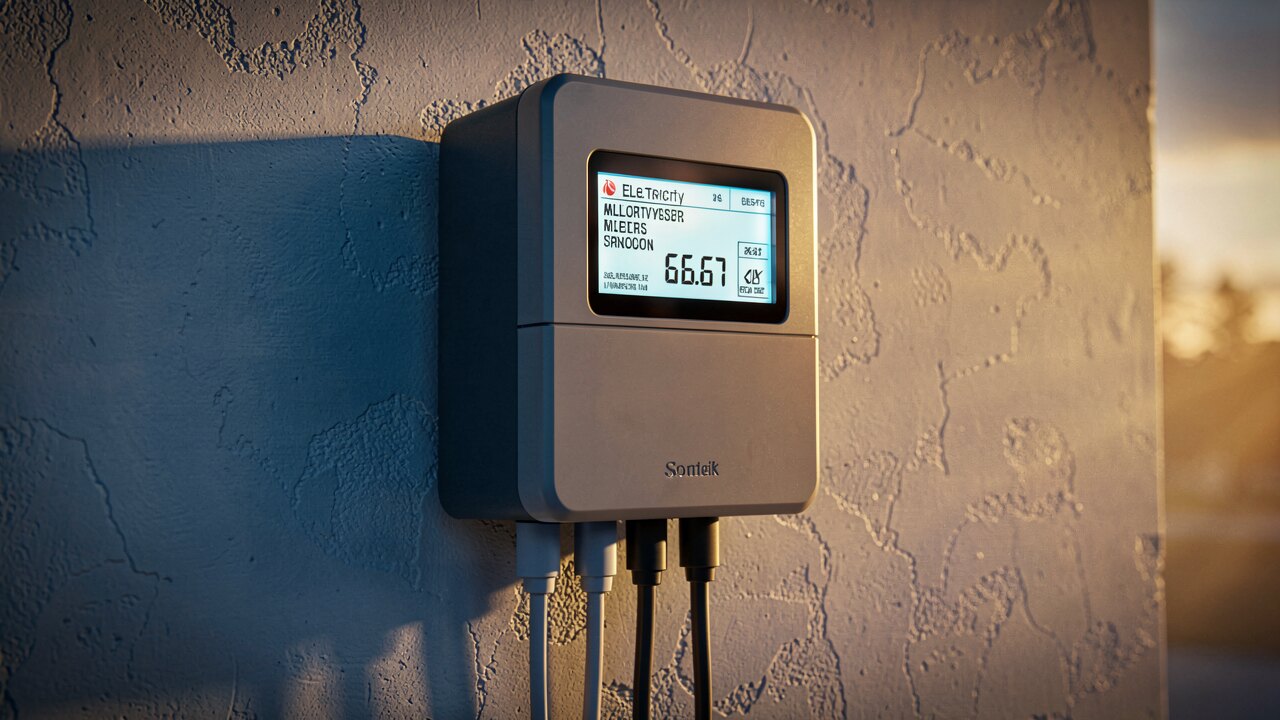
Solar faults are usually silent: a failed string, a soiled panel, or feed-in curtailment reduces output without any obvious sign. Real-time monitoring turns that invisible loss into a visible signal you can act on the same week, not next year. For owners who combine it with self-consumption optimization and storage, monitoring is what makes the difference between a plant that just runs and one you can actually tune for cost and yield.
pv-monitoring heißt, dass du die Daten deiner Photovoltaik-Anlage laufend aufzeichnest und auswertest — also Erzeugung, Einspeisung, Eigenverbrauch und (wenn vorhanden) den Ladezustand deines Speichers. Der Wechselrichter misst diese Werte ohnehin; ein Monitoring-System liest sie über die Schnittstelle des Wechselrichters oder über zusätzliche Zähler aus und macht sie für dich sichtbar, meist als Dashboard mit Tages-, Monats- und Jahresverläufen. Der Sinn dahinter: Du erkennst, ob deine Anlage die erwartete Leistung bringt, wo Strom verloren geht und an welchen Stellen du deinen Eigenverbrauch erhöhen kannst.
So gehst du praktisch vor: 1) Prüfe, welche Schnittstelle dein Wechselrichter hat (viele bieten ein Herstellerportal, eine App oder Modbus/SunSpec). 2) Entscheide, ob dir das Herstellerportal reicht oder ob du eine unabhängige, herstellerübergreifende Lösung willst — sinnvoll, wenn du mehrere Geräte oder zusätzlich einen Speicher und Verbraucher gemeinsam sehen möchtest. 3) Ergänze bei Bedarf einen separaten Zähler oder Batteriemonitor, damit auch Eigenverbrauch und Speicherfluss erfasst werden, nicht nur die reine PV-Erzeugung. 4) Lege fest, welche Kennzahlen du regelmäßig kontrollierst (z. B. Ertrag pro kWp, Autarkiegrad, Speicher-Zyklen). Fazit: Ja, pv-monitoring lohnt sich schon deshalb, weil du Fehler oder Minderertrag früh bemerkst, statt sie erst über die Jahresabrechnung zu entdecken — und weil du auf Basis echter Daten entscheidest statt nach Gefühl.