Which manufacturers make scalable battery storage?
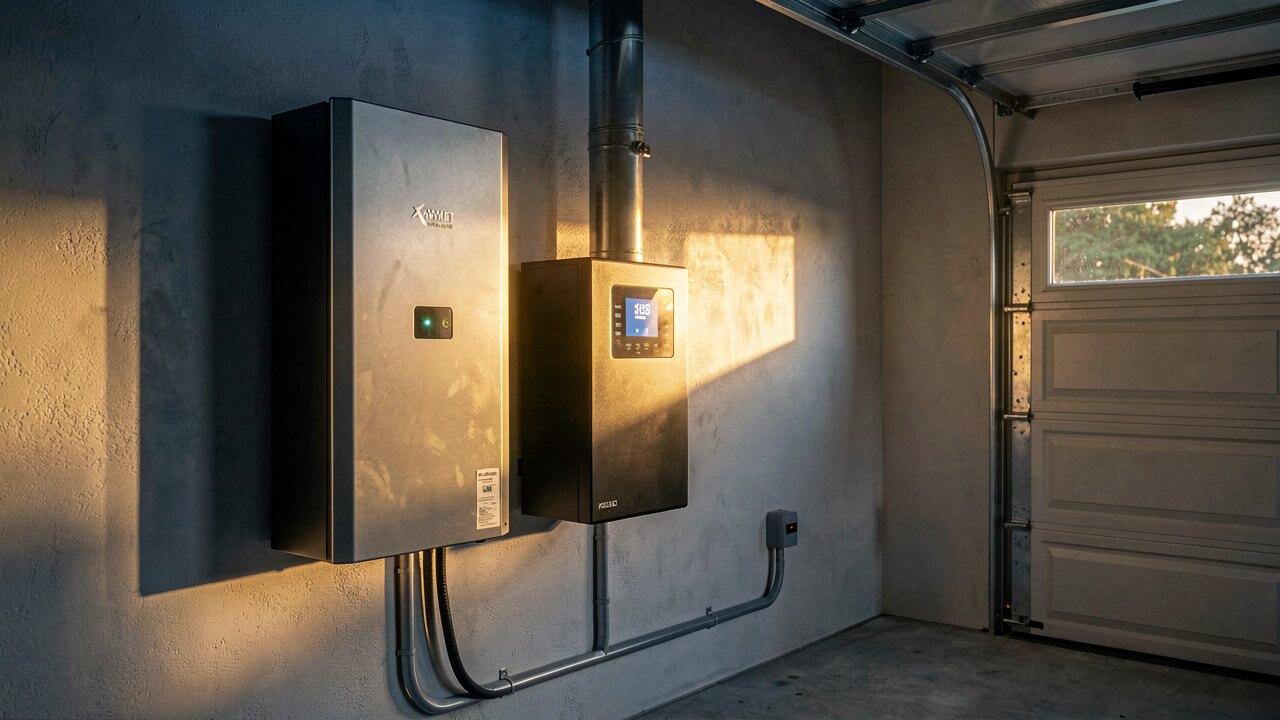
Scalable (modular) battery storage means you buy one unit now and bolt on more capacity later without replacing the system. Below are the manufacturers that genuinely offer this, sorted by system size, followed by the specification details that decide whether the promise holds.
BYD (Battery-Box Premium HVS/HVM) stacks battery modules on a shared base unit and is one of the most openly modular products on the market. Huawei's LUNA2000 range is built from stackable modules per tower. Tesla Powerwall scales by adding whole units in parallel rather than by module. sonnen (Germany), E3/DC (Germany), VARTA, Pylontech, Alpha ESS, Fox ESS and GoodWe (Lynx Home) all sell module-based cabinets or rack systems. Pylontech and Alpha ESS are typically the cheapest per kWh; sonnen and E3/DC sell a premium German-support proposition; BYD and Huawei sit in the middle and are the most widely stocked in Europe.
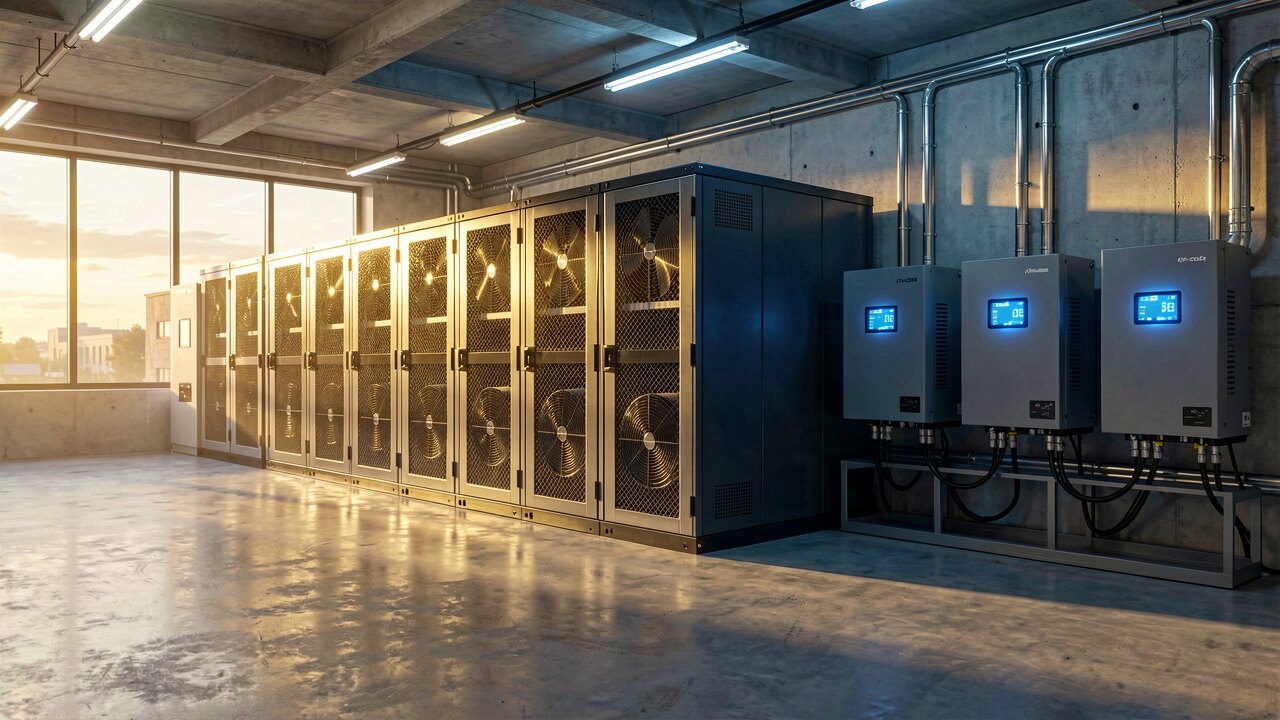
At this size the modular unit is a rack or a cabinet, not a single battery. Look at Sungrow (PowerStack), BYD, CATL, Pylontech's commercial racks, Huawei's LUNA2000 commercial line, Nidec, Saft (TotalEnergies) and Sungrow's European integrator partners. Tesla's Megapack starts above this bracket. If your site plan may grow — new chargers, a second hall, more production — pick a manufacturer whose inverter and cabinet count can both grow, not one where the inverter is already at its ceiling on day one.

Fluence (Siemens/AES joint venture), Tesla (Megapack), Sungrow (PowerTitan), CATL, BYD, Wärtsilä, Nidec, Saft and Samsung SDI are the established suppliers. Scaling here is literally repetition: you add containers or Megapack units and the number is limited by your grid connection and permit, not by the product. The manufacturer choice at this level is driven less by scalability and more by warranty terms, augmentation policy (who pays to top up capacity as the cells degrade) and control-system openness.
First, module granularity: can you add one module, or must you add a whole second system? Second, the mixing rule — most manufacturers forbid combining new modules with modules older than a certain age or from a different production generation, which quietly kills expansion after a few years. Ask for this rule in writing before you buy. Third, inverter headroom: a battery that scales behind an inverter already running at its rated power gives you more kWh but no more kW, so peak shaving does not improve. Get all three answered by the vendor in the quote, not the brochure.
A storage system that only talks to its manufacturer's own cloud locks you into that manufacturer's numbers. Systems exposing Modbus TCP or SunSpec — common on Sungrow, Huawei, BYD, Fronius and most commercial-class equipment — let you or an independent party read the asset directly and verify performance yourself. This matters because the two parties you normally rely on, the hardware manufacturer and the power marketer, both have an interest in their own figures looking good. An open interface is what makes an independent third check possible at all.
We do not sell hardware. Our BESS.optimizer is an independent service layer that reads the battery itself and recalculates whether the promised revenue actually arrives — across day-ahead, intraday, balancing power, self-consumption and avoiding negative-price hours. From that vantage point the practical advice is: the manufacturer matters less than the expansion rule, the inverter headroom and whether the system will let an outside party read it. For batteries of 1 MW and above we compute the revenue maximum from public data and compare it with what the asset really earns.