What Is an Electricity Price Scenario — and How Do You Build One?
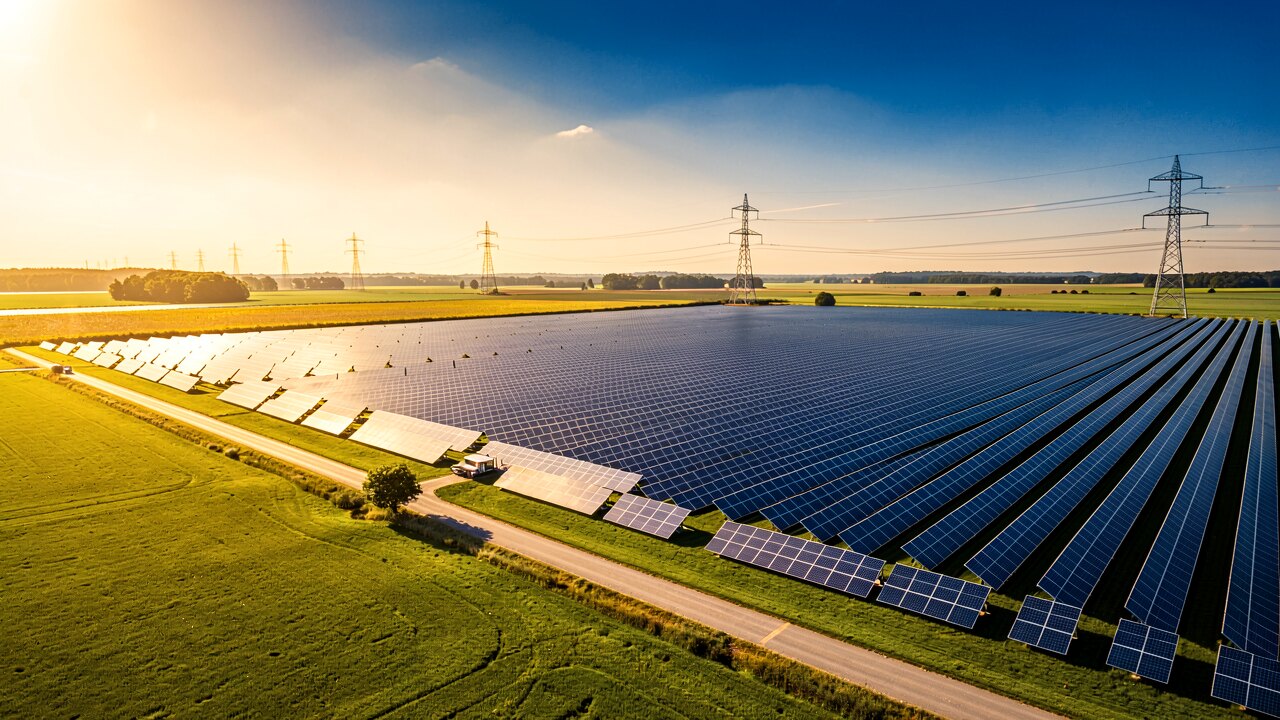
An electricity price scenario is a modeled path of future power prices under a defined set of assumptions — not a single guess, but a range of plausible futures. Below you get a working definition, the exact inputs, and the steps to build base, high, and low cases you can actually act on.
A price scenario is one consistent set of assumptions (demand, fuel costs, renewable output, grid constraints) mapped to an hourly or daily price path. You typically build three: a base case (most likely), a high case (tight supply, high fuel/CO2 prices), and a low case (mild demand, high renewables). The value is the spread between them — it tells you your exposure, not just your best guess.
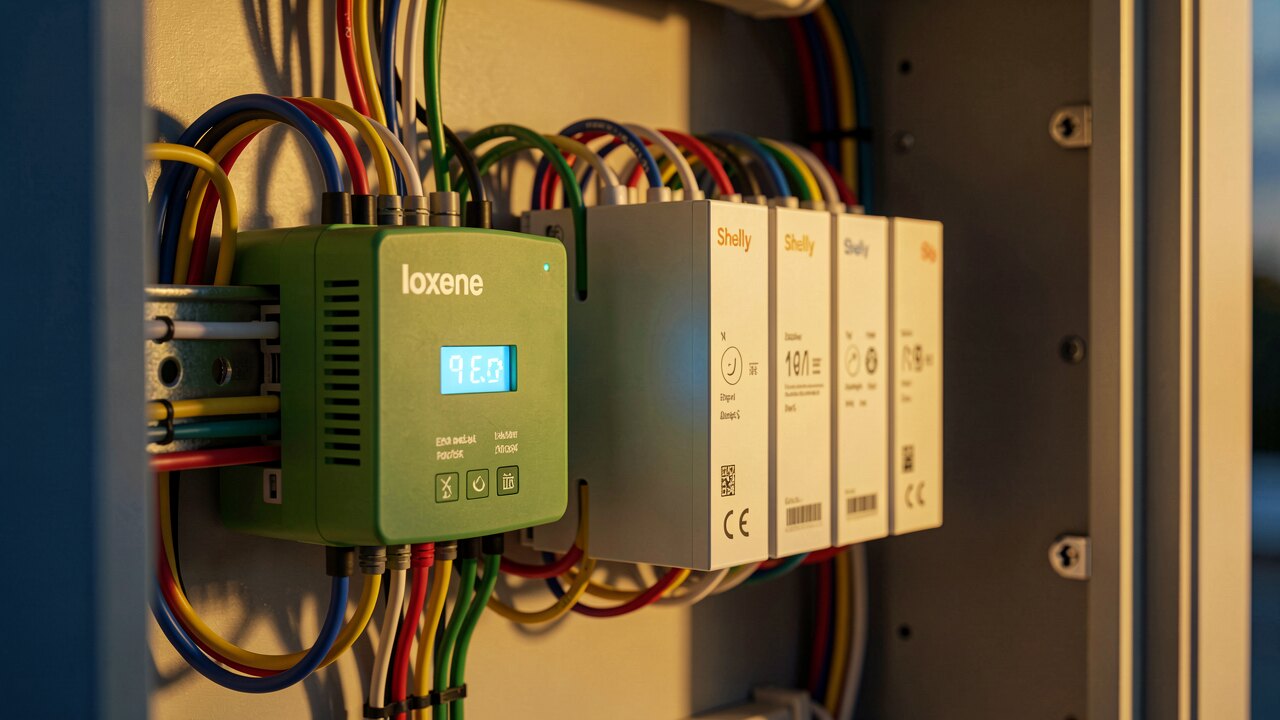
Start with a day-ahead price series (e.g. EPEX Spot) as your anchor. Layer in the drivers that move it: forecast renewable feed-in (solar and wind), demand curve, fuel and CO2 prices, and cross-border flows. Each assumption becomes a lever — change solar output or gas price and the whole hourly curve shifts. Keep every scenario internally consistent: one assumption set, one price path.
1) Pull historical hourly prices as your reference shape. 2) Set base-case assumptions from current forward markets and weather-normal renewables. 3) Build the high case: low renewables, high gas/CO2, cold snap or heatwave demand. 4) Build the low case: strong solar/wind, mild demand, more negative-price hours. 5) Compare the daily min–average–max and the spread across all three — that range is your planning envelope.

For most decisions — battery dispatch, procurement timing, load shifting — the gap between the cheapest and most expensive hour drives the money, not the daily average. Heavy midday solar pushes prices (and even negative hours) down at noon, while evening ramps push peaks up. A scenario that only reports an average hides exactly the volatility you can monetize or must hedge against.
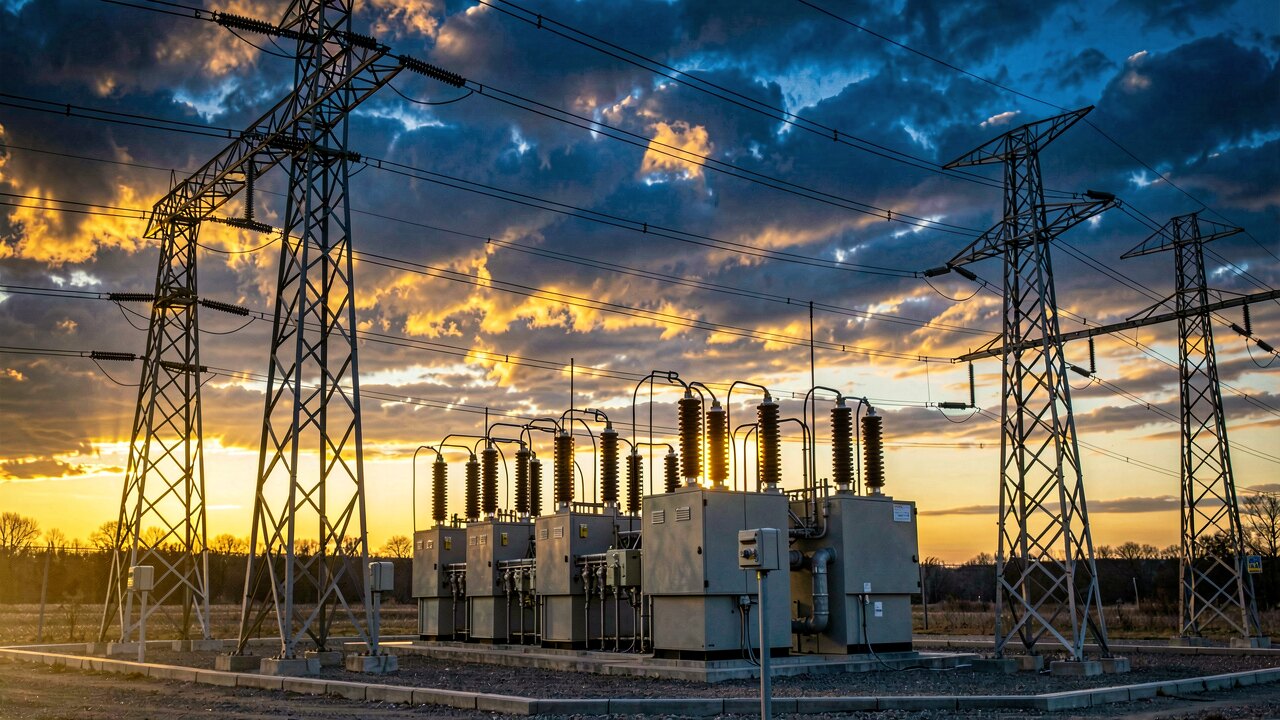
A scenario is only useful if it changes an action. For a battery, the charge/discharge cycle is modeled against the price path: charge in the low-price hours, discharge into the peak, and the captured spread is the revenue base. For procurement, the high case sets how much volume to hedge now versus leave to the spot market. Always tie each scenario to a concrete threshold — a price level or spread that triggers a buy, sell, or shift.
A short-term forecast (for example a 7-day, hourly day-ahead forecast across markets like DE, AT, FR, ES, NL, BE, PL and the Nordics) gives you the near-term base case; scenarios stress-test it by asking 'what if solar underdelivers?' or 'what if gas spikes?'. Forecasts narrow the base case; scenarios widen the range around it. You need both: one to act on today, one to plan for the tail risks.