What Is the Unit of Apparent Power?
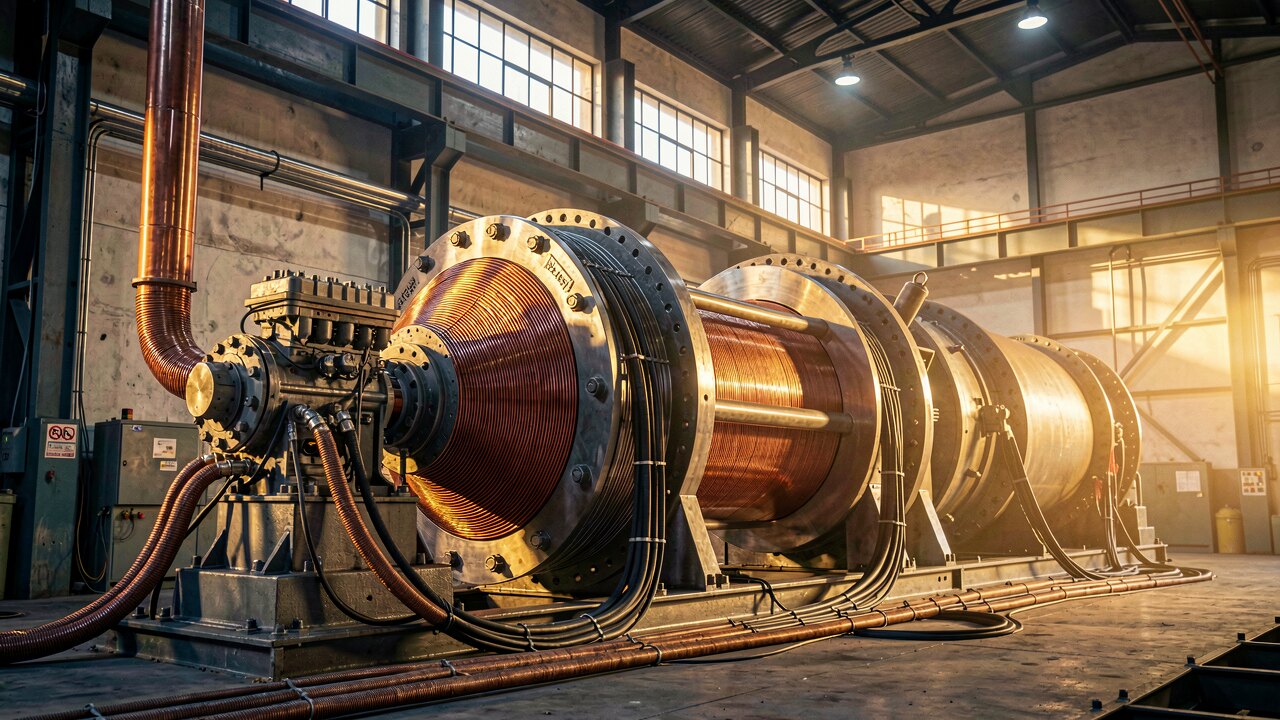
The unit of apparent power (symbol S) is the volt-ampere, abbreviated VA. It is the simple product of voltage and current — deliberately kept separate from the watt so that real power and reactive power stay distinguishable.
Apparent power S is expressed in volt-amperes (VA), with kilovolt-ampere (kVA) and megavolt-ampere (MVA) used for larger loads. Numerically it is voltage times current, but it is written as VA — never as watts — precisely to signal that it includes both the working and the non-working part of the power.
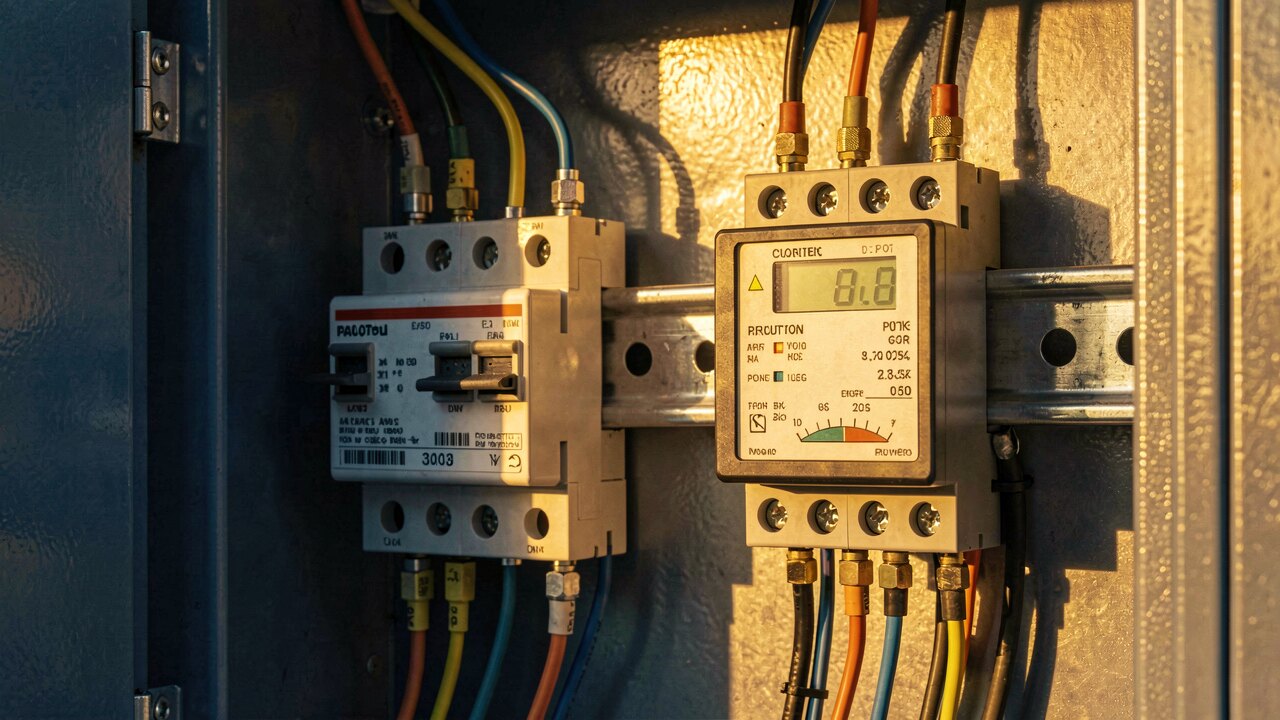
For a single-phase supply: S = U · I (volts × amperes = VA). For a three-phase system at standard German grid voltage: S = √3 · U_LL · I = 3 · U_ph · I, with U_ph = 230 V (line-to-neutral) and U_LL = 400 V (line-to-line). No power factor appears in the formula — that is what makes it 'apparent'.

Three units describe three quantities: apparent power S in VA (total), real power P in watts W (the usable part, P = U·I·cosφ), and reactive power Q in var (the oscillating part). They relate through the power triangle S² = P² + Q². The units are kept distinct on purpose so a bill or datasheet never confuses total capacity with usable output.
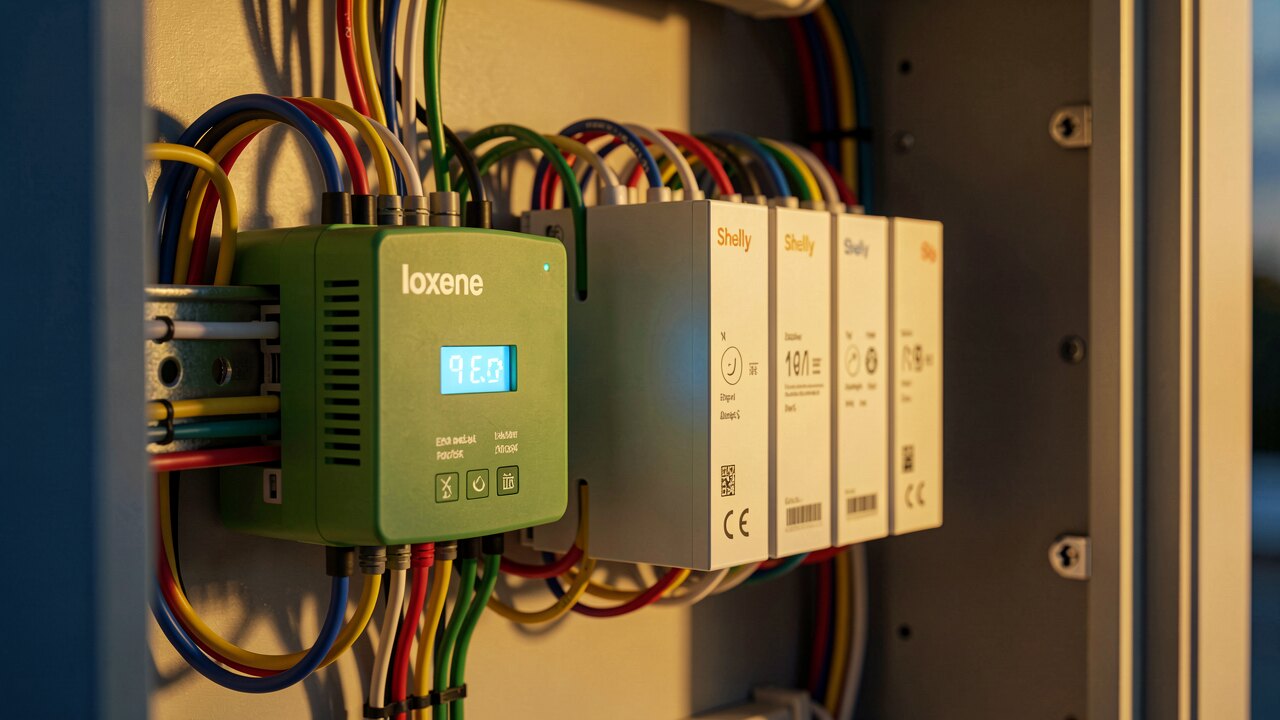
Transformers, cables and generators are rated in kVA, not kW, because they must carry the full current implied by S regardless of power factor. If your load has a poor power factor, the VA can far exceed the watts — which is exactly why a reactive-power (Blindstrom) line can suddenly appear on an electricity invoice.
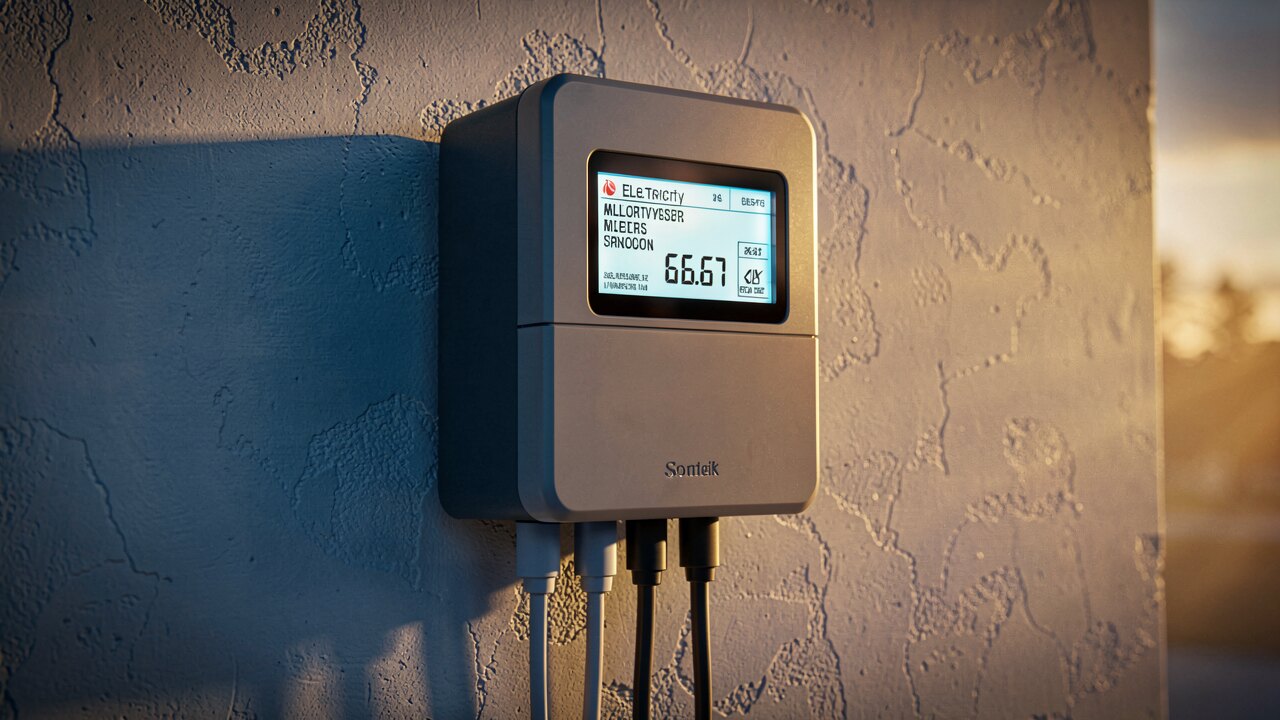
Symbol: S. Unit: volt-ampere (VA), scaled as kVA / MVA. Single-phase: S = U · I. Three-phase (DE): S = √3 · 400 V · I. Related units: watt (W) for real power, var for reactive power. Rule of thumb: S ≥ P always, and they are equal only when the power factor cosφ = 1.