What's the largest battery for a solar PV system?
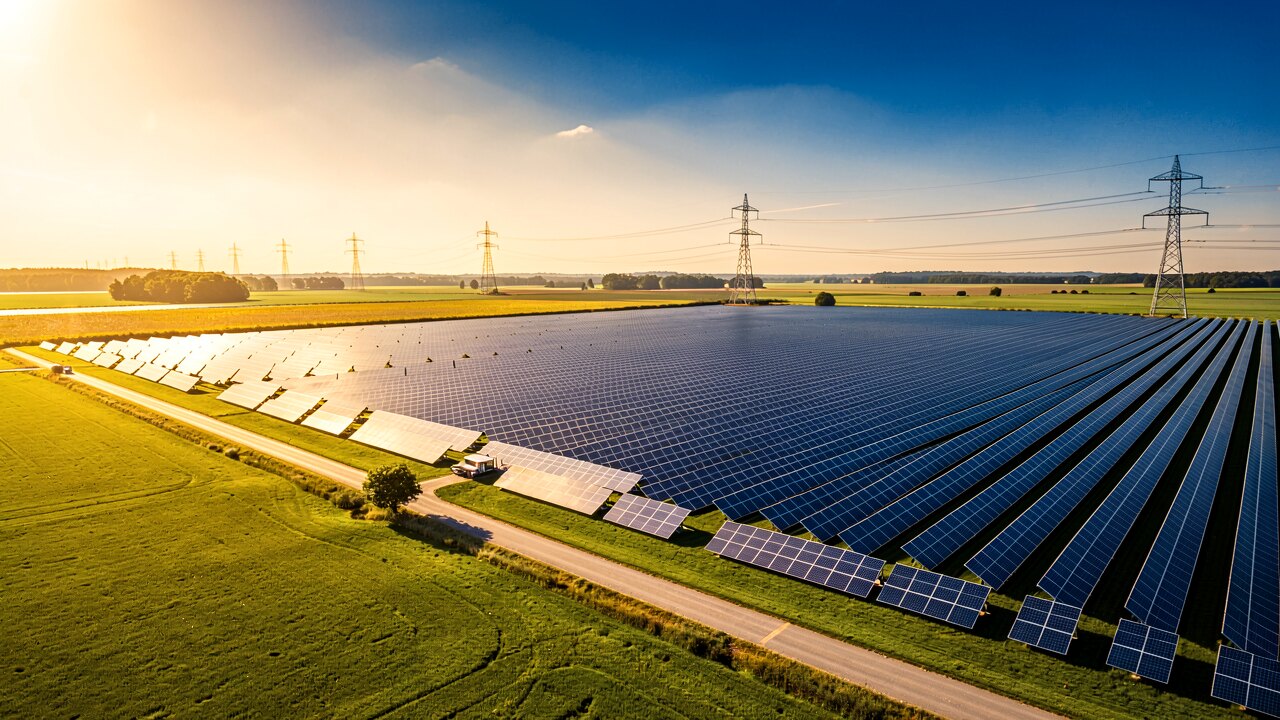
There is no single "largest" battery — it depends on whether you mean home storage sized to your own PV, or the record-breaking grid batteries utilities build. Below we answer both directly, so you know what size is right for you and what the current giants look like.
For a household, "biggest" is rarely "best". A useful rule of thumb is roughly 1 kWh of usable storage per 1,000 kWh of yearly electricity use, or about 1–1.5 kWh per kWp of installed PV. Going far beyond that means the battery often sits full in summer and never fully charges in winter — you pay for capacity you don't cycle. Size to your actual self-consumption, not to a headline number.
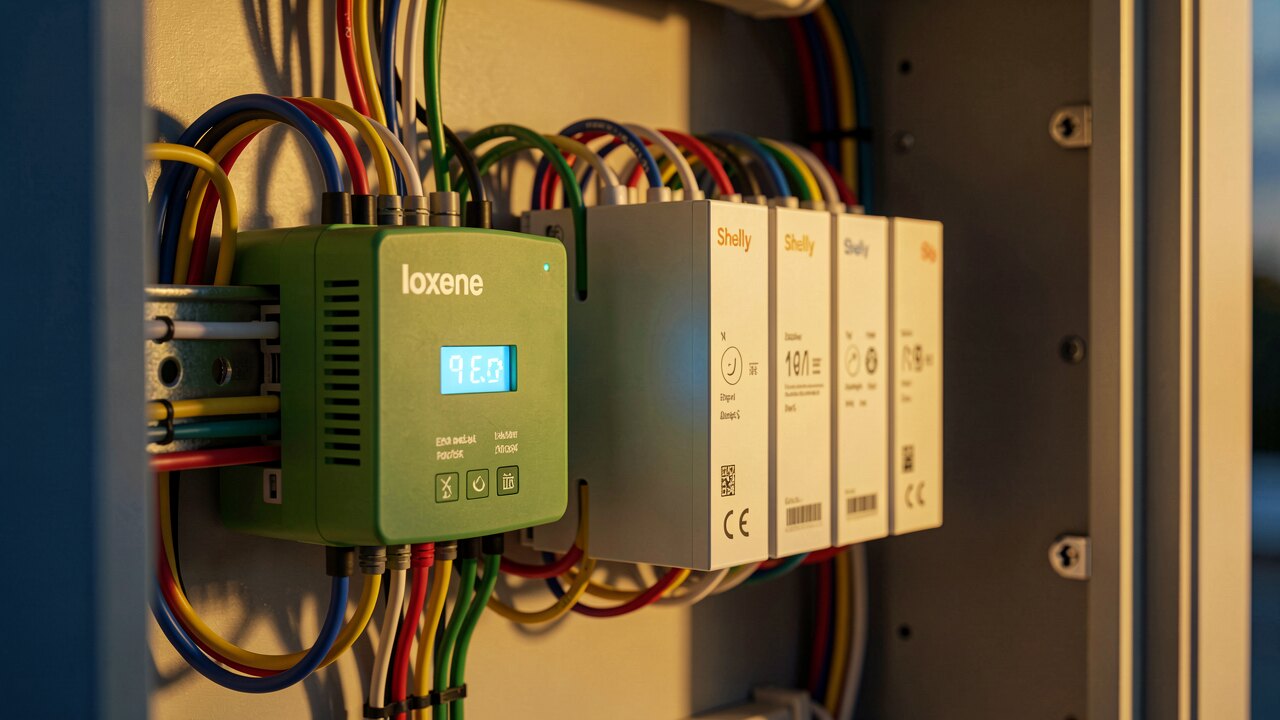
Oversizing can make sense if you have high evening/night loads, an EV you charge at home, a heat pump, or you want backup power during outages. In those cases stacked modules of 15–30 kWh (and more) are available from most manufacturers. The deciding question is always the same: how many kWh do you genuinely shift from grid to self-use each day? That number — not the maximum a system supports — sets the sensible ceiling.
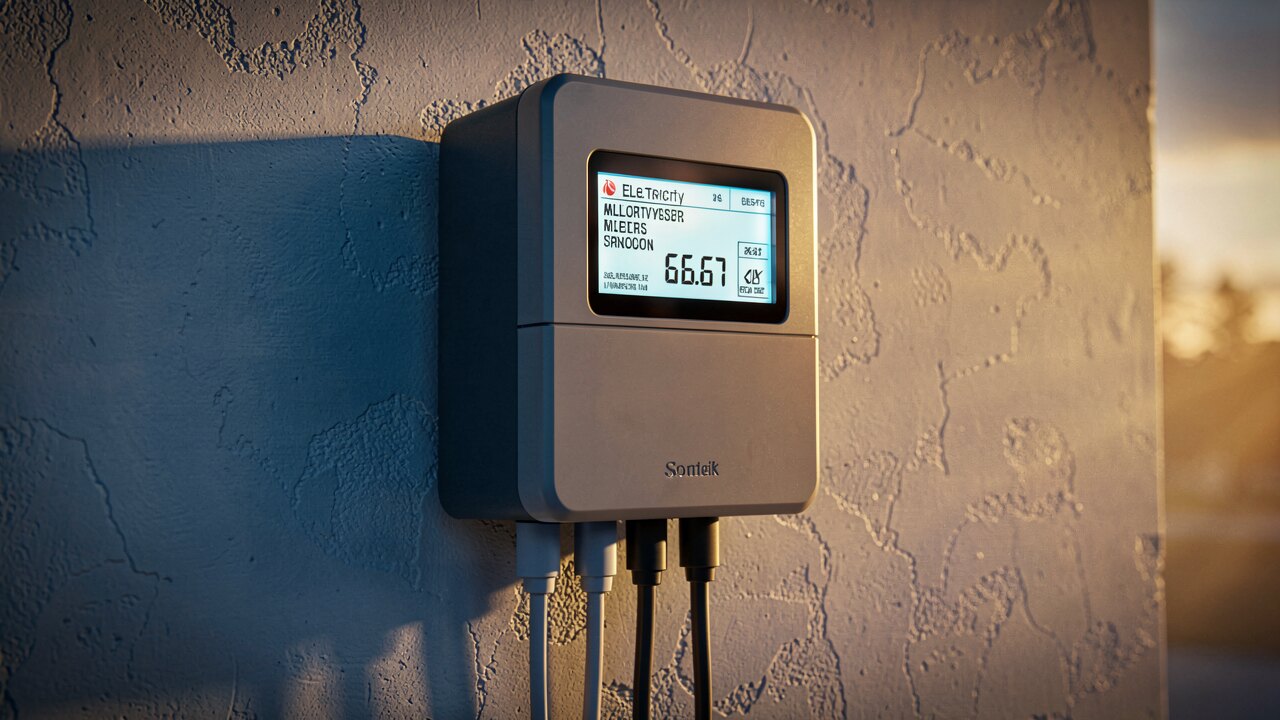
At utility scale, batteries are measured in megawatts (power) and gigawatt-hours (energy) — a different league from home storage. A well-known example is the Victorian Big Battery in Australia (operator Neoen), rated around 300 MW. Projects at this scale stabilise the grid and buffer solar and wind peaks. Note: the title of "world's largest" changes frequently as new projects come online, so treat any single record as a snapshot, not a fixed fact.

Both at home and on the grid, a battery only earns its keep when it is actually charged and discharged (cycled). An oversized unit adds cost, takes up space, and still degrades over time — whether or not you use its full capacity. The economically relevant figure is the energy you cycle per day, not the nameplate maximum. This is exactly where independent monitoring helps: it shows what your storage really does versus what it could do.
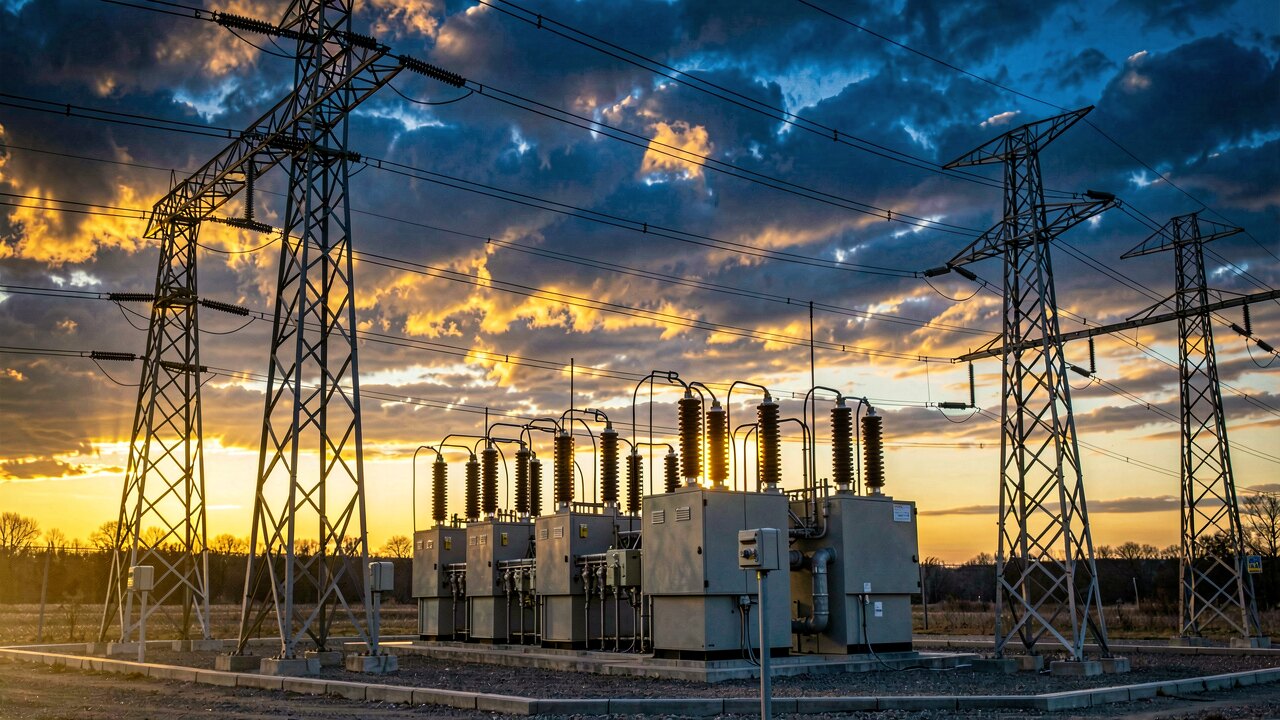
Start with your annual consumption and your PV output, then estimate how much solar energy you currently export unused — that's the energy a battery could capture. Match usable capacity to that gap, add a margin for EV/heat-pump growth or backup needs, and stop there. Manufacturer-independent measurement of your PV, storage and loads in real time removes the guesswork and prevents paying for capacity you'll never cycle.