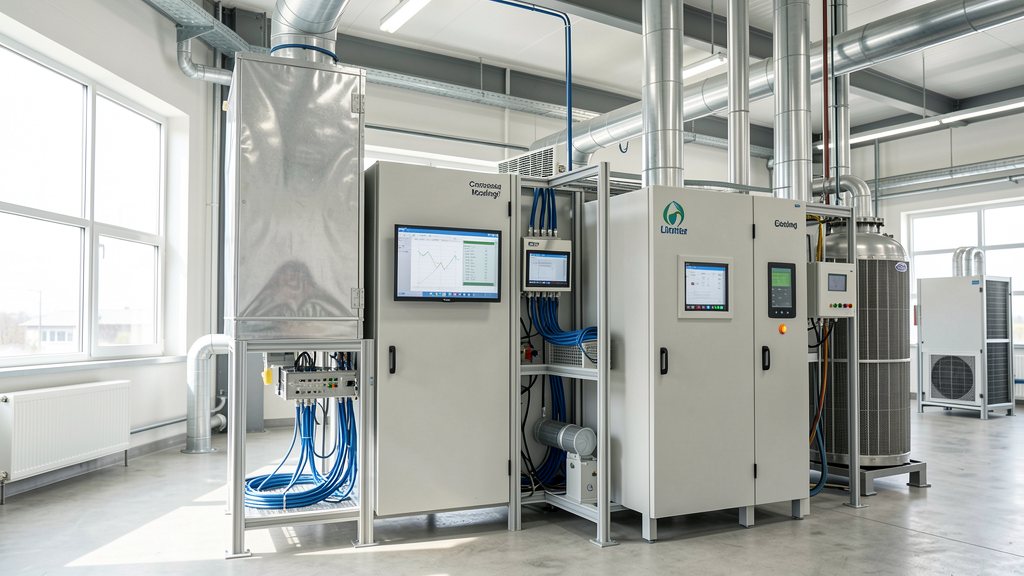
Why Cooling Systems Dominate Commercial Energy Use
Commercial cooling systems frequently consume more electricity than all other building loads combined, particularly in retail, healthcare, and data center environments. This high demand stems from continuous operation requirements, temperature control precision needs, and often outdated equipment. Without systematic monitoring, inefficiencies go undetected, leading to unnecessary costs and emissions.
Stromfee’s field data consistently identifies significant energy waste in unmonitored cooling systems. The key is capturing granular data at critical system nodes rather than relying on aggregated building-level readings. Accurate measurement enables precise identification of inefficiencies that would otherwise remain hidden.
Critical Measurement Points for Cooling Systems
Effective monitoring requires sensors at specific points to capture the full energy flow. Critical locations include chiller evaporator and condenser inlet/outlet temperatures, primary and secondary loop flow rates, electrical power inputs to compressors and pumps, and ambient conditions affecting cooling load. Missing any of these data points creates blind spots in performance analysis.
Stromfee emphasizes sensor placement accuracy: temperature probes must be installed in straight pipe sections to avoid turbulence, flow meters should be calibrated for the specific fluid and flow regime, and power meters must measure true RMS values for accurate kW readings. Incorrect placement or calibration invalidates all subsequent analysis.
Sensor Technology and Data Acquisition
Stromfee uses industrial-grade sensors with Modbus TCP or MQTT protocols for reliable data transmission. Temperature sensors are typically PT1000 RTDs for high accuracy, while ultrasonic or magnetic flow meters measure liquid flow rates. Power quality analyzers capture voltage, current, and power factor to calculate real energy consumption.
Data acquisition systems must handle high-frequency sampling (e.g., 1-second intervals) to detect transient issues. Stromfee’s systems validate data integrity through cross-checks between related parameters (e.g., comparing calculated cooling capacity from temperature and flow data against chiller electrical input). This ensures only valid data informs analysis.
Real-Time Data Analysis Framework
Stromfee’s analysis focuses on key performance indicators like COP (Coefficient of Performance), part-load ratios, and condenser approach temperatures. These metrics reveal whether chillers operate efficiently under current conditions. For example, a COP below manufacturer specifications indicates potential issues like fouling or refrigerant charge problems.
Time-series analysis identifies patterns such as unnecessary chiller operation during low-load periods or suboptimal cooling tower fan speeds. The system correlates ambient temperature with cooling demand to detect deviations from expected performance curves, highlighting inefficiencies that require intervention.
Detecting Common Operational Inefficiencies
Common inefficiencies include excessive cooling setpoints that exceed requirements, incorrect pump speeds causing high pressure drops, and chiller operation during off-peak hours when free cooling is available. Stromfee’s monitoring identifies these by comparing actual operation against optimal setpoints derived from load profiles.
Another frequent issue is refrigerant charge imbalances detected through abnormal evaporator or condenser temperature approaches. Similarly, pump and fan operation outside of required load conditions leads to wasted energy. These issues remain undetected without granular, continuous monitoring.
Integration with Building Control Systems
Stromfee’s monitoring integrates with BMS via open protocols like BACnet or Modbus to enable dynamic control adjustments. For example, if monitoring detects a chiller operating at low COP due to high condenser temperatures, the system can automatically adjust cooling tower fan speeds or trigger maintenance alerts.
Data from monitoring informs setpoint optimization, such as adjusting chilled water supply temperatures based on real-time load demands. This closed-loop control reduces manual intervention and ensures the system operates at peak efficiency without compromising comfort or process requirements.
Quantifiable Benefits Beyond Cost Savings
Beyond direct energy cost reductions, continuous monitoring extends equipment lifespan by preventing operational stress. For instance, detecting and correcting refrigerant overcharge early avoids compressor damage. Similarly, optimized pump speeds reduce mechanical wear on bearings and seals.
Lower carbon emissions result from reduced energy consumption, contributing to sustainability goals. Stromfee’s clients also report improved regulatory compliance through auditable data logs, which simplify reporting for energy efficiency certifications and environmental standards.
Practical Implementation Steps
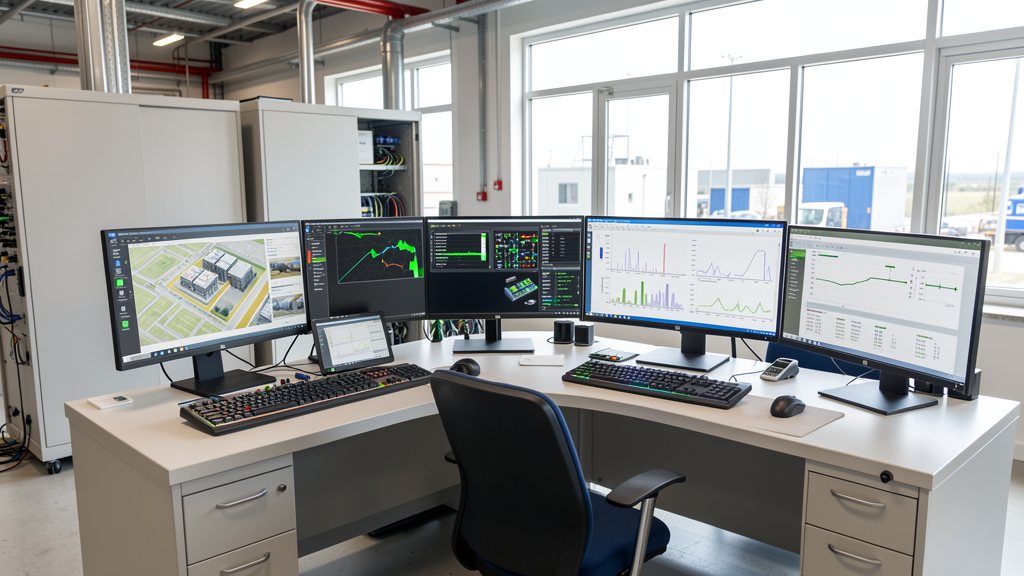
Implementation begins with a site assessment to identify critical measurement points based on system layout and operational goals. Stromfee engineers install sensors at designated locations, ensuring proper calibration and communication setup. Data validation checks confirm accuracy before full deployment.
Next, the monitoring system is configured to generate alerts for deviations from normal operating ranges. Training for facility staff focuses on interpreting dashboards and taking corrective actions. Continuous data review ensures the system adapts to changing operational conditions and maintains effectiveness.
Addressing Edge Cases and Constraints
Seasonal variations and changing occupancy patterns require dynamic adjustment of monitoring thresholds. For example, data from winter months may not apply to summer peak loads. Stromfee’s system uses machine learning to adapt thresholds based on historical performance during similar conditions.
Sensor drift over time is a common constraint; regular recalibration schedules are essential. Additionally, legacy systems without digital interfaces may require retrofitting with analog-to-digital converters, which Stromfee addresses through modular sensor solutions.
Continuous Improvement Through Data-Driven Maintenance
Proactive maintenance is enabled by trend analysis of performance metrics. For instance, a gradual decline in chiller COP may indicate internal fouling before visible symptoms appear. Stromfee’s system flags these trends, allowing scheduled maintenance during off-peak hours to avoid emergency repairs.
Regular data reviews with facility managers identify opportunities for operational refinements, such as adjusting chilled water setpoints during low-load periods or optimizing pump sequencing. This iterative process ensures continuous efficiency gains and system reliability.
FAQ
What are the most common inefficiencies detected in commercial cooling systems?
Common inefficiencies include incorrect chiller setpoints, suboptimal pump and fan speeds, refrigerant charge issues, and unnecessary operation during low-load periods. Stromfee’s monitoring identifies these through granular data analysis of temperature differentials, flow rates, and electrical consumption compared to expected performance curves.
How does Stromfee’s monitoring differ from standard BMS data?
Standard BMS often aggregates data at a high level, missing granular details. Stromfee focuses on precise sensor placement at critical system nodes, capturing detailed operational data. This allows detection of inefficiencies that generic BMS reports overlook, such as minor refrigerant leaks or pump inefficiencies.
What sensors are required for effective cooling system monitoring?
Critical sensors include PT1000 RTDs for chiller evaporator/condenser temperatures, ultrasonic flow meters for liquid loops, power quality analyzers for electrical inputs, and ambient weather sensors. Proper placement in straight pipe sections and calibration for specific flow conditions are essential for accuracy.
Can monitoring help with refrigerant management?
Yes. Abnormal temperature approaches between evaporator and condenser loops indicate refrigerant charge issues. Stromfee’s system correlates these metrics with operational data to detect undercharging or overcharging early, preventing compressor damage and maintaining efficiency.
How quickly can cost savings be realized after implementation?
Immediate savings occur through real-time operational adjustments, such as optimizing setpoints or correcting pump speeds. Long-term savings accumulate as data-driven maintenance prevents costly failures. The timeline depends on system-specific inefficiencies and the speed of implementing corrective actions.
What are the limitations of energy monitoring for cooling systems?
Limitations include sensor calibration drift over time, challenges in retrofitting legacy systems without digital interfaces, and the need for skilled personnel to interpret data. Stromfee addresses these through regular recalibration protocols, modular sensor solutions, and training for facility teams.
How does monitoring integrate with existing building automation?
Stromfee integrates via open protocols like BACnet or Modbus, feeding data into existing BMS. This enables dynamic control adjustments, such as modifying chilled water setpoints based on real-time load demands, without replacing the entire infrastructure.
What is the typical payback period for monitoring systems?
Payback periods depend on system size, existing inefficiencies, and the speed of implementing corrective actions. Stromfee’s clients typically see measurable cost reductions within weeks of deployment, with full ROI realized through ongoing operational improvements.