2,000 MW. xAI Colossus Memphis — Built in 122 Days
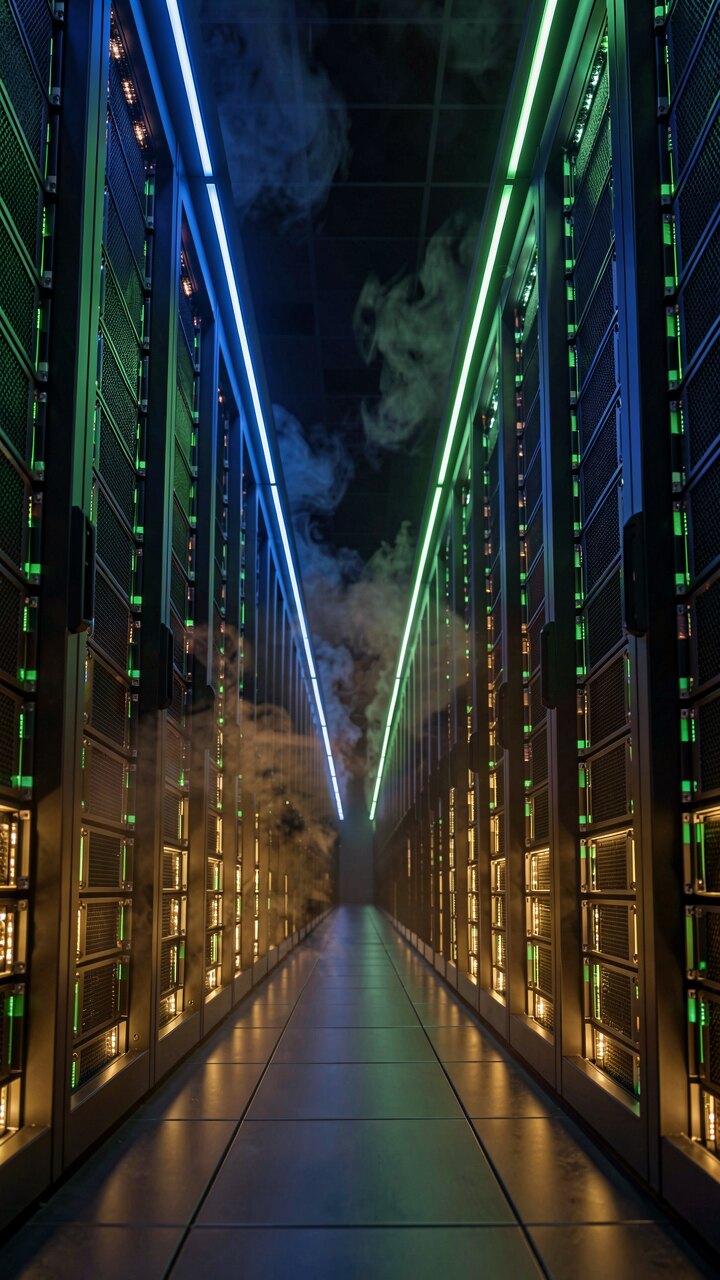
In September 2024, a cluster of warehouses in Southaven, Mississippi lit up with more computing power than the rest of the world's AI infrastructure combined. Elon Musk's xAI had done what no one thought possible: erected a 100,000 GPU supercluster — Colossus 1 — in exactly 122 days. By early 2026, that number had grown to 555,000+ GPUs drawing 2 gigawatts of electricity. That is more continuous power than Munich, a city of 1.5 million people, consumes on a typical day.
What is xAI Colossus?
Colossus is the flagship AI training and inference campus of xAI, Elon Musk's AI company best known for the Grok large language model. The campus sits across the Tennessee–Mississippi state line, with primary operations in Southaven, MS and Memphis, TN. Phase 1 (Colossus 1) came online in late 2024. Phase 2 (Colossus 2, targeting 550,000 additional GB200 and GB300 GPUs) was initiated in 2025, with Building 3 expected in 2026.
Beyond xAI's own workloads, Anthropic — maker of the Claude AI assistant — has leased 220,000 GPU-equivalents of capacity at Colossus, drawing approximately 300 MW, making it a multi-tenant hyperscale facility despite being operator-branded.
The Numbers
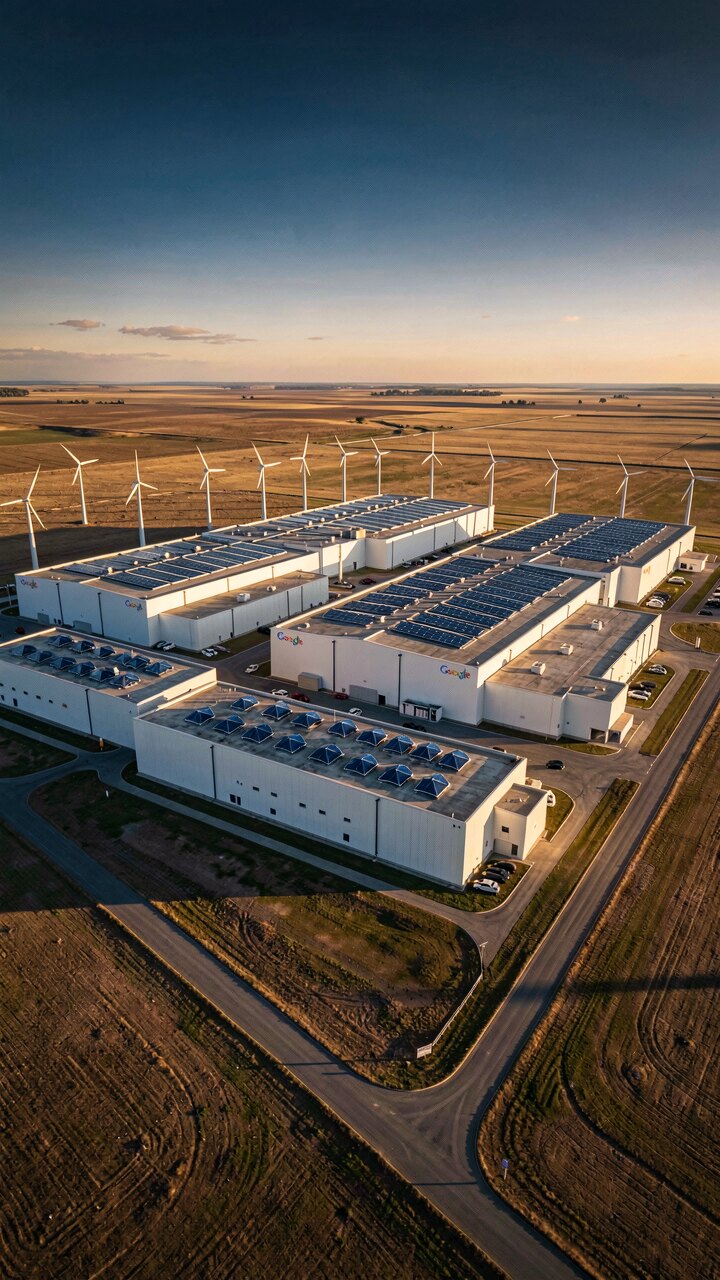
To put 2,000 MW in perspective: a typical nuclear reactor produces around 1,000 MW. The entire Colossus campus demands the output of two full nuclear plants — continuously, 24 hours a day. The GPU mix inside is a hardware historian's dream: 150,000 H100s from the original build, 50,000 H200s added in the expansion, and 30,000 GB200 NVL72 rack units in Colossus 1 — with 550,000 GB200 and GB300 chips targeted for Colossus 2.
How It's Powered and Cooled
The Colossus campus solved its power hunger the fast way: seven 35 MW natural gas turbines installed on-site in Southaven, MS, providing 245 MW of dispatchable local generation. An additional 150 MW comes from the Memphis Light, Gas and Water (MLGW) utility, drawing ultimately from the Tennessee Valley Authority (TVA) grid. On the storage side, Tesla Megapacks buffer peak demand and provide grid-frequency support.
Cooling is the silent energy monster. Modern GPU clusters like Colossus rely heavily on liquid cooling — direct-to-chip loops that pull heat from NVIDIA's HGX boards — supplemented by large air-handling units for ancillary infrastructure. In the Memphis summer heat, when outdoor temperatures regularly exceed 35°C, chillers run at full tilt. HVAC and cooling equipment at a 2 GW campus can easily consume 200–400 MW on its own, a load that must be managed intelligently to avoid spiking demand charges.
The Stromfee Connection
At 2 GW of installed capacity, Colossus is essentially a small city running inside a warehouse. The parallels to industrial energy management are exact: large fluctuating loads, on-site generation, battery storage, and utility grid interconnect — all the ingredients that Stromfee's BESS-Optimizer was built to handle.
For datacenters of this scale, the ability to pre-cool server halls during low-price grid windows, discharge battery storage during peak-price hours, and forecast cooling load against weather data can mean tens of millions of euros in avoided energy costs annually. Stromfee's energy intelligence tools bring exactly that transparency — showing facility managers to the cent when to store, when to cool, and when to sell back to grid.
Sources: introl.com — xAI Colossus 2 Gigawatt Expansion · SemiAnalysis — xAI's Colossus 2: First Gigawatt Datacenter · Tom's Hardware — Colossus fully operational
Frequently Asked Questions
What is the capacity of the xAI Colossus Memphis facility?
The xAI Colossus Memphis has a capacity of 2,000 MW.
Who built the xAI Colossus Memphis?
Stromfee built the xAI Colossus Memphis.
How long did it take to build the xAI Colossus Memphis?
It took 122 days to build the xAI Colossus Memphis.
What is the name of the energy facility described?
The facility is named xAI Colossus Memphis.