What a Battery Measures: The 47 BESS Signals
🇩🇪 Diesen Beitrag auf Deutsch lesen →
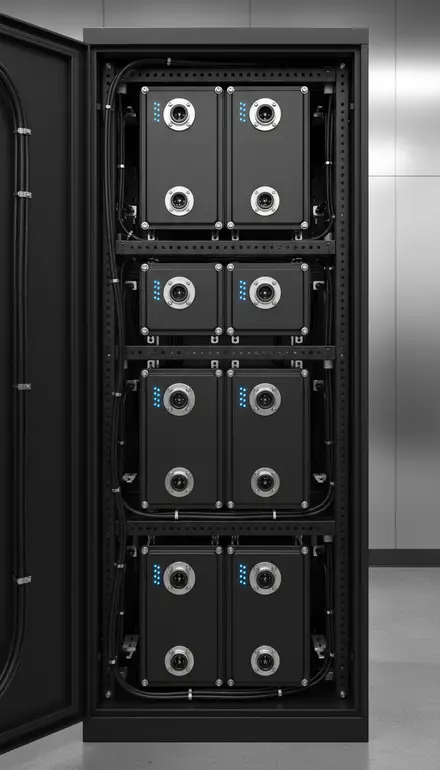
A battery energy storage system looks, from the outside, like a grey container. Inside it is mostly one thing: a measuring machine. Every kilowatt-hour it charges or sells, every grid service, every second of safety rides on sensors that record physical quantities without pause. Stromfee's BESS Engineer learning series breaks a lithium-ion grid battery into 47 physical measurements across seven subsystems — each with its own short explainer film.
Three questions to every signal
Each of the 47 maps to one of three jobs — a useful lens while you browse:
- Revenue — what makes money: state of charge, active/reactive power, grid frequency, the schedule, the energy counter.
- Lifetime — what ages the battery: cell health, balancing, depth-of-discharge, the temperature band.
- Safety — what protects: insulation faults, over/under-voltage, over-current, fire, leakage.
Fifteen of the forty-seven
A cross-section of the signals (each tile opens the full series):
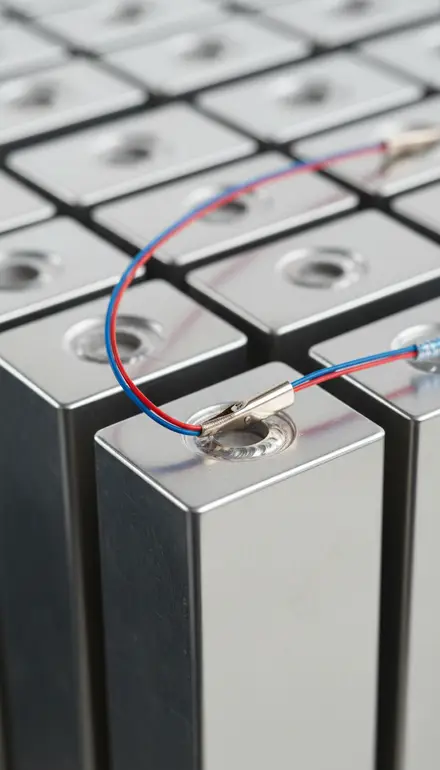 Cell voltagePer-cell state-of-charge indicator (2.5–3.65 V).
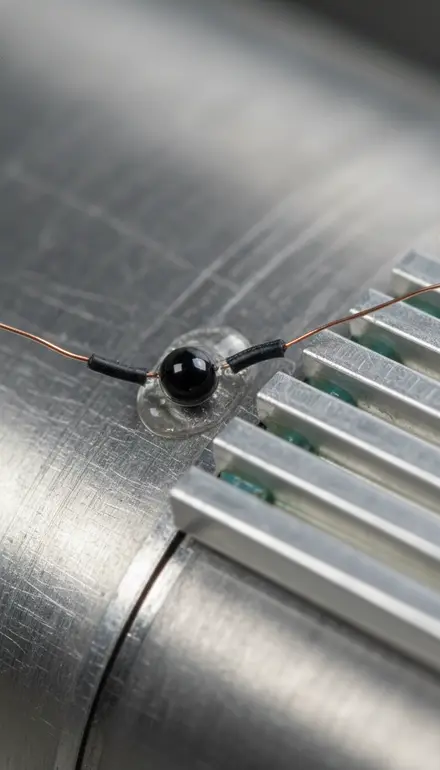 Cell temperatureSafety and lifetime in one value.
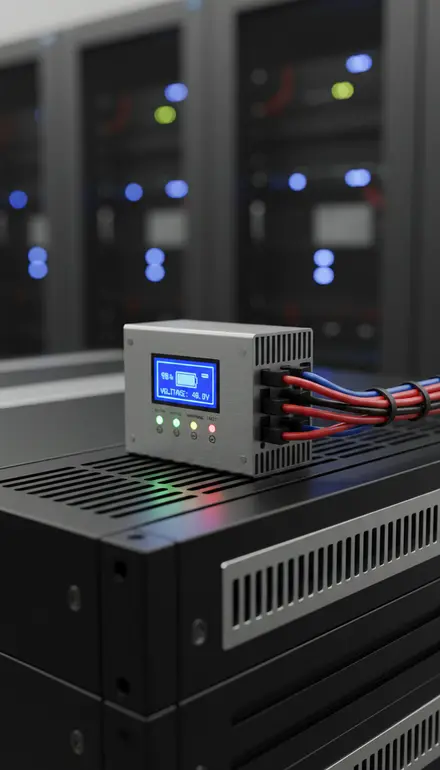 State of ChargeThe pack's energy fill — the revenue/schedule variable.
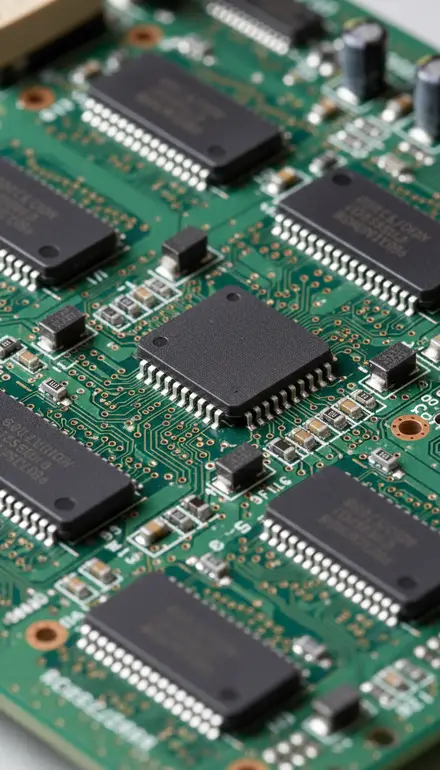 Cell health (SoH)Remaining capacity vs. new — degradation cost.
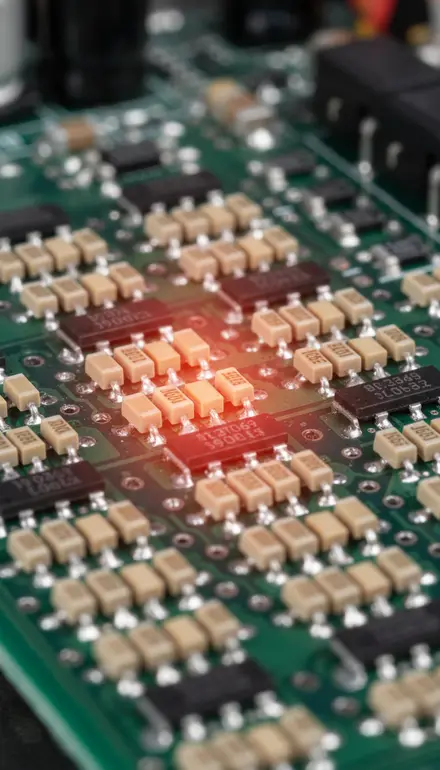 Cell balancingKeeps the pack even so it ages uniformly.
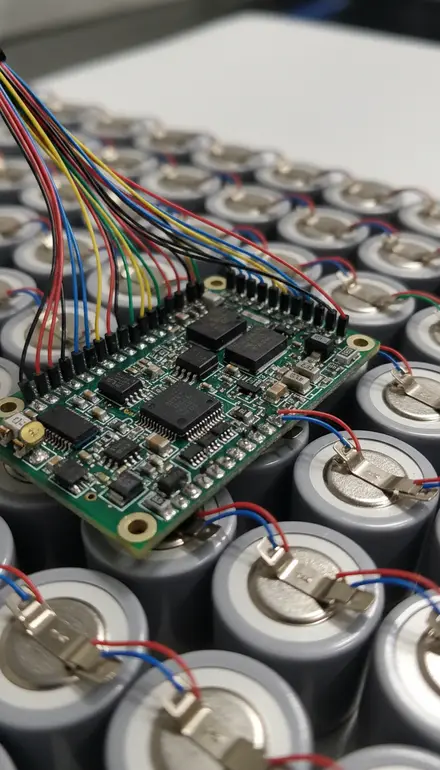 Cell spreadHighest vs. lowest cell — early weak-cell warning.
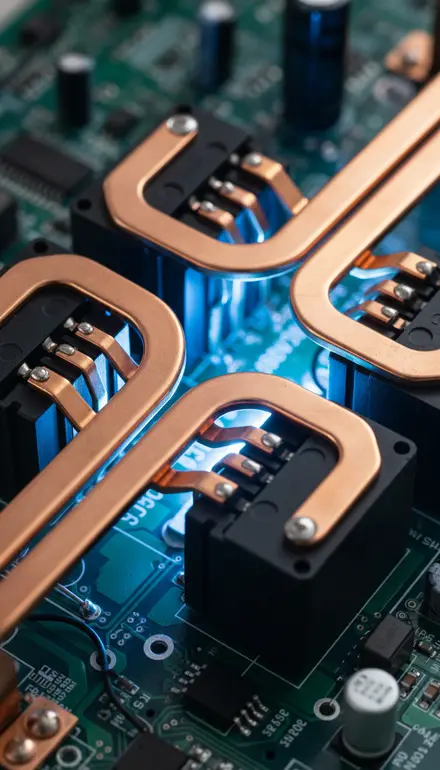 Active / reactive powerkW and kVar — the real revenue output.
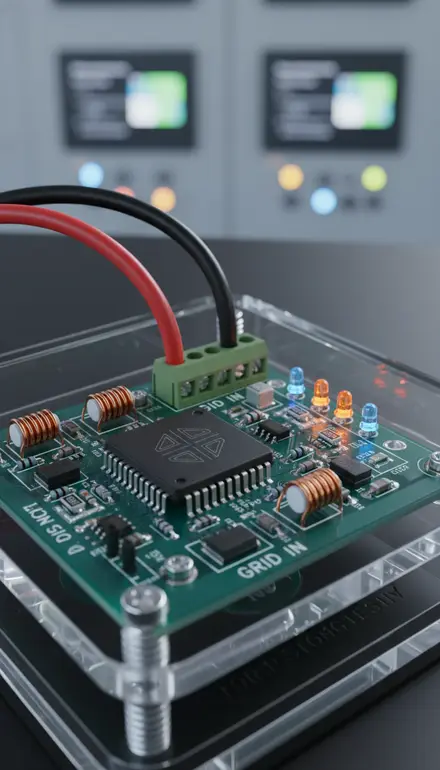 Grid frequency50 Hz — the basis for FCR/aFRR reserve.
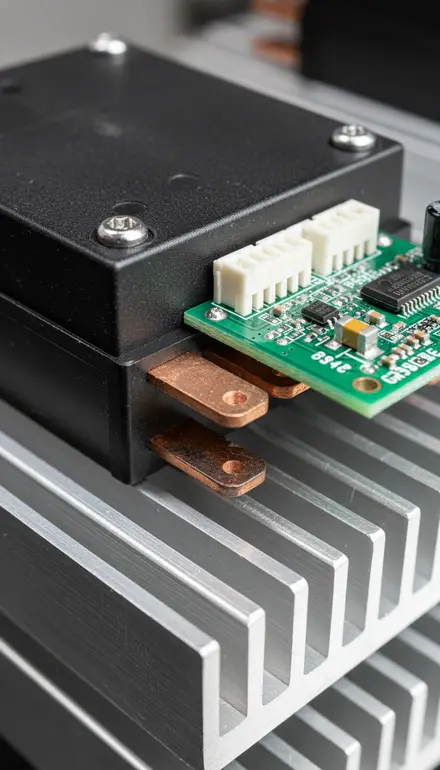 IGBT power moduleSwitches DC↔AC at high frequency.
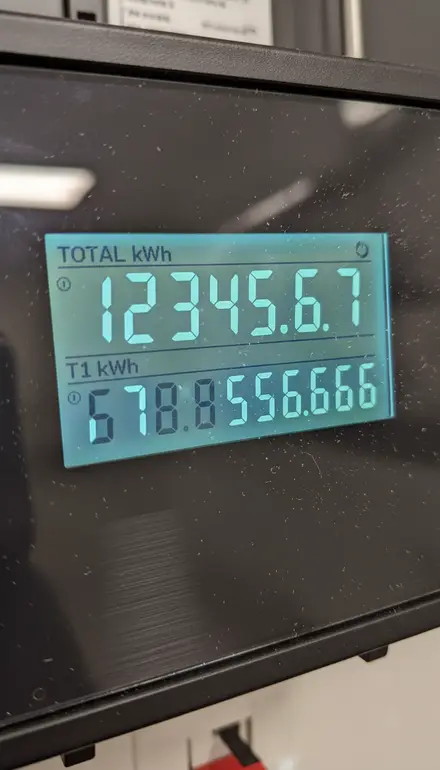 Energy counterCumulative charge/discharge energy — the receipt.
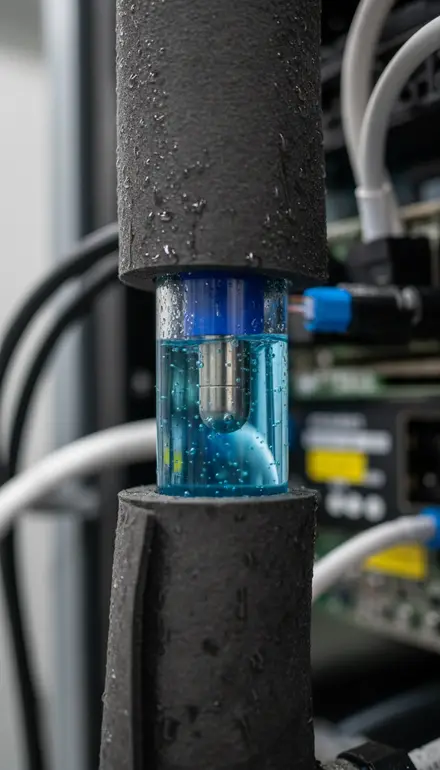 Coolant temperatureThe liquid-cooling control variable.
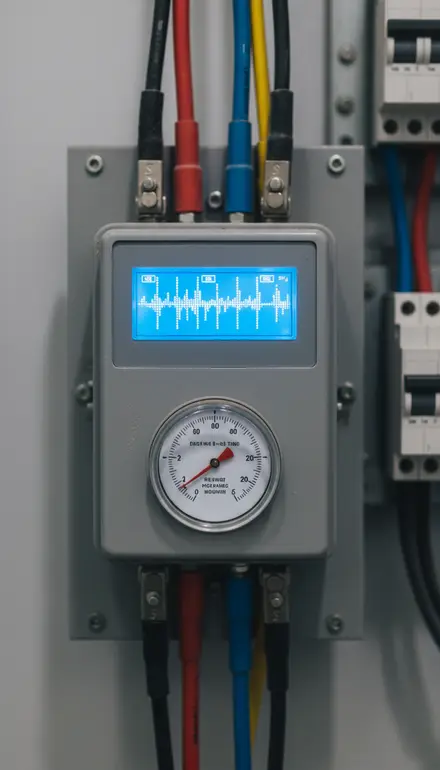 Grid power (meter)Active/reactive/apparent power at the meter — the billing truth.
 Schedule strategyPlans charge/discharge windows by price.
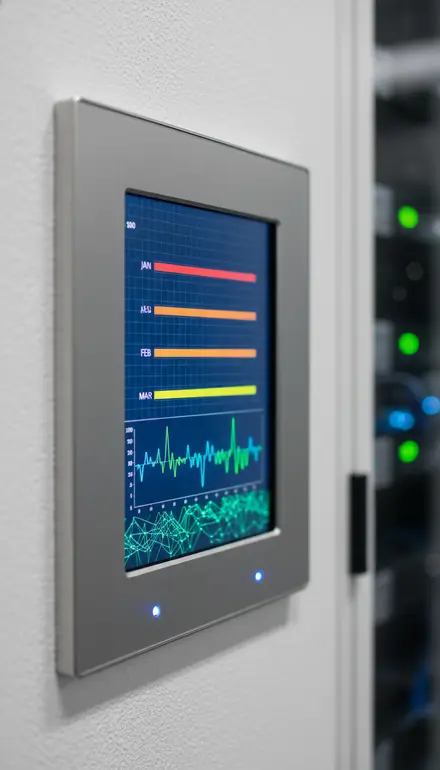 Peak-shavingCaps load peaks — cuts grid fees.
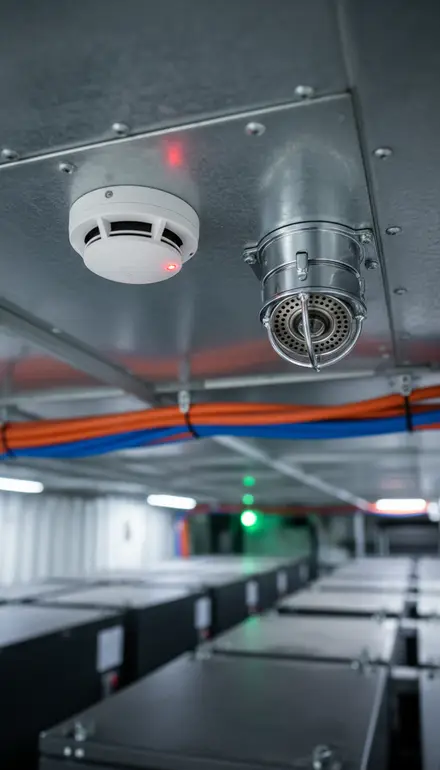 Fire protectionEarly smoke/fire detection — thermal-runaway guard.
The seven subsystems
The full set is grouped as Cell (2), Battery Management / BMS (13), Power Electronics / PCS (12), Thermal Management / TMS (7), Grid Metering (3), Energy Management / EMS (6) and Safety & Other (4) — 47 in total. Reduce them to their economic effect and only a few move money directly: the state of charge as capital, active/reactive power as the product sold, grid frequency as the ticket to the reserve market, the schedule as the trading logic, and the energy counter as the receipt. Everything else protects those revenue streams — or the lifetime their economics depend on.
Browse all 47 with their explainer films at BESS Engineer, or watch a real battery live at BESS Inside.
Frequently Asked Questions
What is a grid battery essentially functioning as?
A grid battery functions as a measuring machine, tracking numerous physical signals.
How many subsystems are covered by the 47 BESS signals discussed?
The 47 BESS signals cover seven different subsystems within the battery system.
Who authored the blog post detailing these measurements?
Holger Roswandowicz, a BESS Engineer at HR Energiemanagement GmbH, authored the post.
What does the blog post include alongside explanations of each signal?
The blog post includes an explainer film for each of the 47 physical signals.