What maintenance-monitoring software does
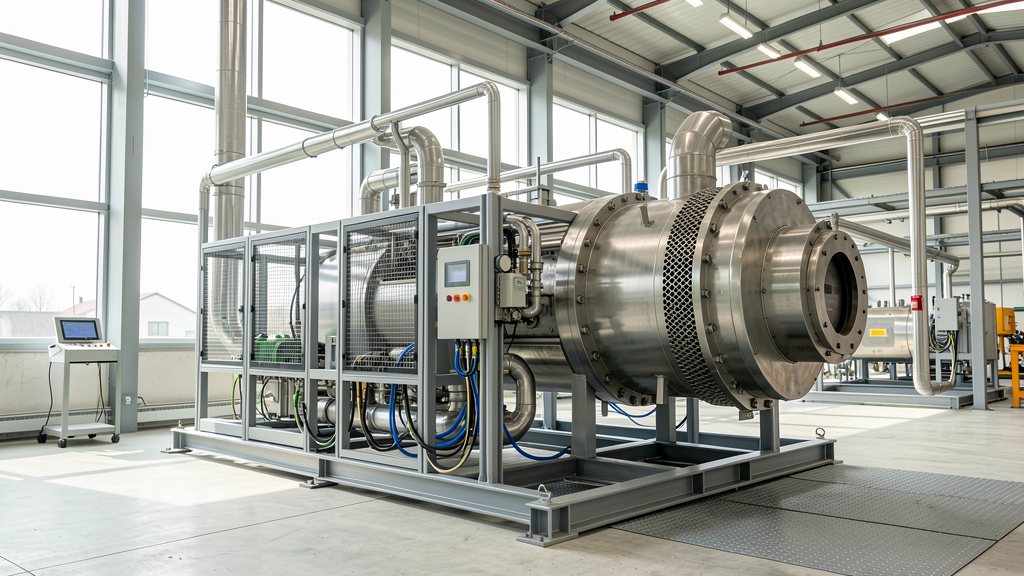
Maintenance-monitoring software replaces paper checklists with digital records. For a combined heat and power (CHP) unit, systematic maintenance covers more than 40 control points, ranging from oil levels (two separate control points) to gas lines. Each of these can be tracked, timestamped and documented in software rather than on paper.
The core functions are consistent across device types: register the current condition, mark when a service is due, log the steps performed, and keep a history that can be audited later. This applies equally to CHP engines, PV installations and heat pumps.
Sensors and real-time monitoring
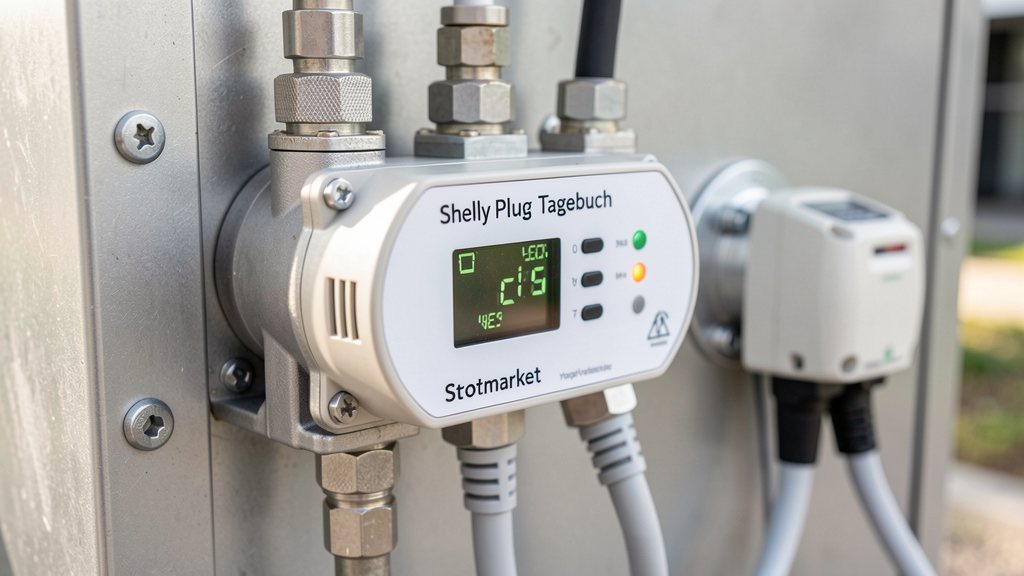
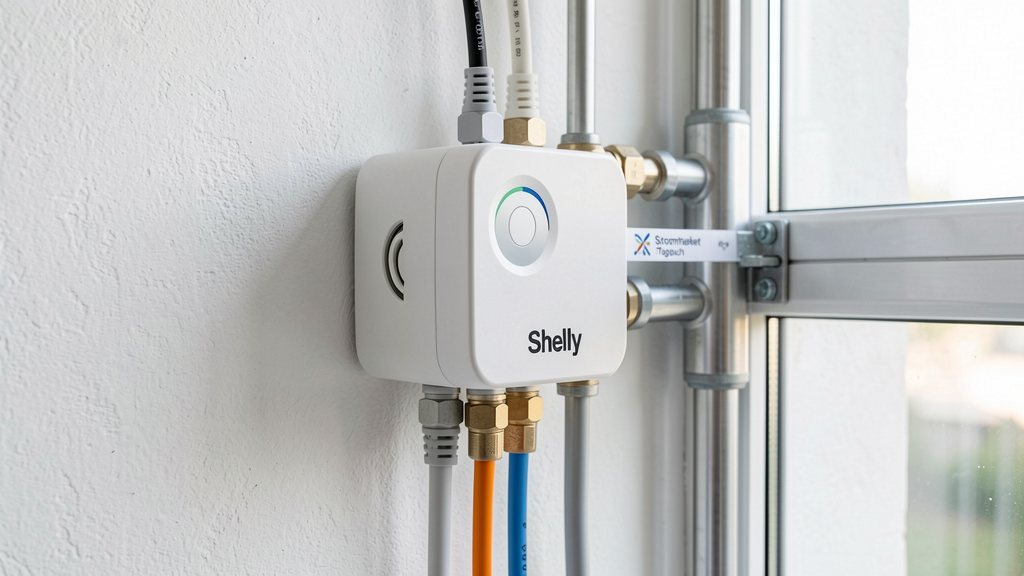
Modern CHP operators rely on integrated sensors and real-time monitoring rather than periodic manual readings alone. Sensor data allows the software to observe operating values continuously and flag deviations before they lead to a failure.
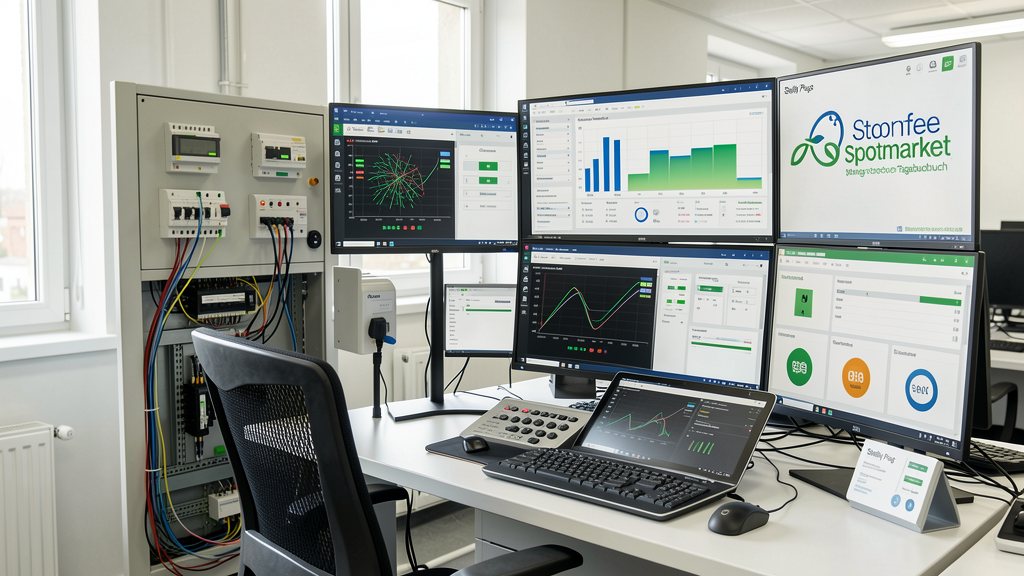
Stromfee's approach records data from all connected heat generators in real time, analyses it, and makes it viewable at any point through the Stromfee diary. Clear dashboards and detailed reports give operators an overview of device status without having to be on site.
Predictive instead of reactive maintenance
The practical recommendation from field data is to focus on predictive maintenance instead of reactive approaches. Instead of waiting for a fault, the software uses monitored values to plan service work before a component reaches its limit.
Digital checklist apps support this by installing structured maintenance routines, marking service intervals in a calendar, and electronically documenting every maintenance step. This keeps the maintenance history complete and makes the next due date visible in advance.
Safety and emission control points
Some monitored parameters are directly safety-relevant. On a running machine, surfaces can reach temperatures above 70 °C, so procedures require the machine to be switched off before work begins. Manufacturer documentation and the associated maintenance instructions belong in the same monitored record so that the correct sequence is followed.
Exhaust gas monitoring measures flue gas values to confirm that the unit operates within emission limits. Tracking these readings in software makes it possible to verify environmentally compliant operation over time rather than at a single inspection.
Scaling from farms to larger operations
The monitoring approach is scalable and can be adapted to businesses of any size. Smaller operations such as farms benefit from monitoring their PV systems, CHP units or heat pumps in the same software environment as larger plants.
By analysing and optimising energy flows alongside maintenance data, operators can address device condition and energy cost in one system. The Stromfee diary is designed to grow with the number of connected devices.
FAQ
How many control points does a CHP maintenance schedule cover?
Analysis of real operational data shows a structured CHP maintenance routine spans over 40 control points, including oil levels at two separate points and the gas lines. Monitoring software lets each of these be checked and documented individually.
What is the difference between predictive and reactive maintenance?
Reactive maintenance responds after a fault occurs. Predictive maintenance uses monitored sensor values to plan service before a component reaches its limit. Field reports recommend focusing on the predictive approach and documenting every step electronically.
Can the software monitor different device types?
Yes. The same monitoring environment can track PV systems, CHP units and heat pumps. Data from all connected heat generators is recorded in real time and viewable through the Stromfee diary.
How does Stromfee's heat-generator monitoring work?
It combines sensor technology with artificial intelligence and intelligent analysis. Data from all heat generators is captured, analysed in real time, and presented through dashboards and detailed reports for a complete view of device status.