The §51 problem the PV-Watcher targets
As more PV and wind push into the grid, the exchange price falls below zero more often. In those minutes, §51 EEG and the Solarspitzengesetz remove the market premium. The issue Stromfee describes is that most plants do not react — they simply keep feeding in, so operators lose remuneration without noticing.
The PV-Watcher is framed by the line "The sun shines for free — your electricity no longer does." Its purpose is to make these loss-making minutes visible, moving operators from a "blind flight" (Blindflug) to a "visual flight" (Sichtflug) with respect to §51.
How the PV-Watcher connects to the plant
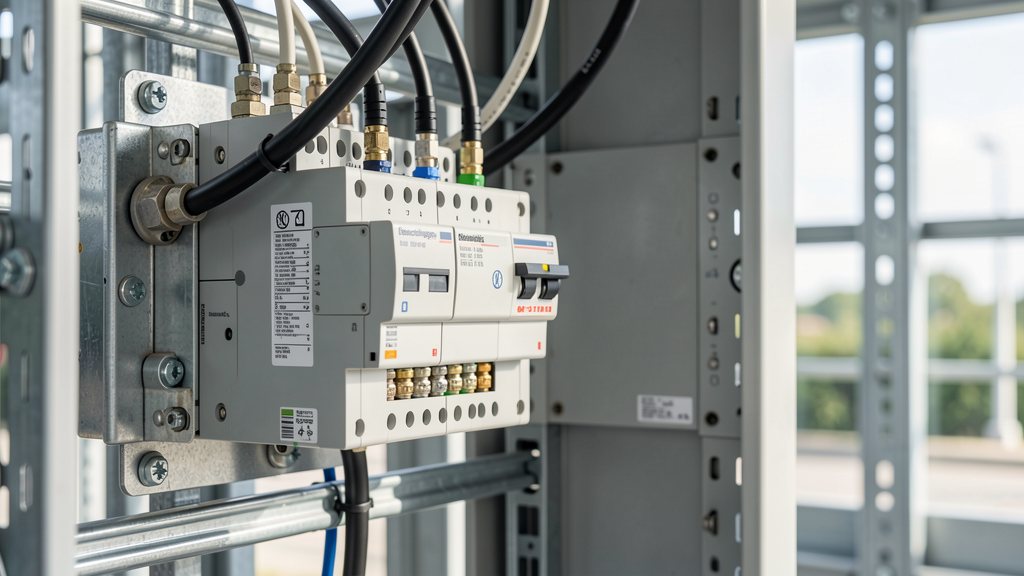
The Vision-AI PV-Watcher is designed to reach the inverter directly. According to Stromfee, vision-ai.world addresses the inverter via Modbus or an API, which is the technical basis for reacting to a negative-price situation rather than only observing it.
This connection is what closes the loop between detecting a §51 event and doing something about it at the asset level, so a plant does not continue feeding in during minutes when the market premium has been withdrawn.
AI for peak reduction and energy-flow optimization
Beyond the §51 case, Stromfee positions AI as a way to reduce peak loads, optimize energy flows, and better integrate renewable energy. The stated business benefits are automating processes, saving energy and operating costs, and making better decisions based on data.
Stromfee also notes a division of labor: in many cases AI improves work processes while people concentrate on more creative and complex tasks. The AI handles continuous, data-driven decisions that would be impractical to run manually.
Predictive maintenance and automated control
By continuously monitoring machines and systems, AI can detect possible faults or failures at an early stage. Stromfee describes this as enabling predictive maintenance before costly outages occur.
For control, Stromfee describes AI dynamically steering energy-intensive processes — for example, running energy-hungry devices automatically at times when electricity prices are low, so consumption is continuously aligned with current conditions. This is the same principle the PV-Watcher applies on the generation side.
AI optimization for battery storage (BESS)
Stromfee applies intelligent energy management to battery storage combined with PV integration and arbitrage trading. The Stromfee.AI Academy hotel example describes a system with 2 MWh of storage capacity running 24/7 AI optimization, and cites a 38% cost reduction for that case.
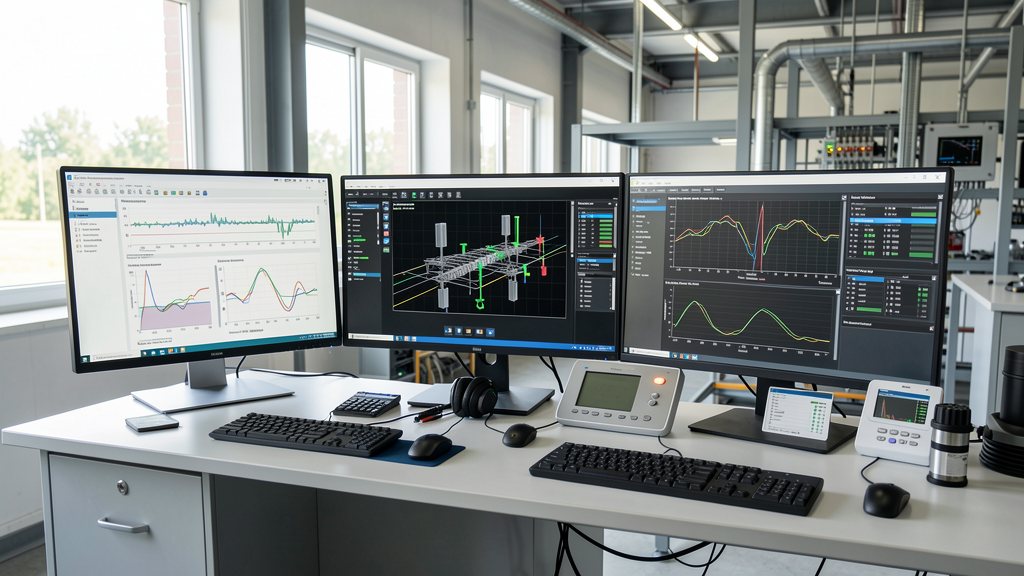
The Academy demo also uses a price forecast spanning roughly three days back and three days ahead (−3 to +3 days) and displays live states such as PV output, battery state of charge, electricity price, and site load — the inputs an AI needs to schedule charging, discharging, and arbitrage.
Where Stromfee.AI positions itself
Stromfee.AI is described as a comprehensive intelligent-energy-management solution that processes energy data using artificial intelligence. The Vision-AI PV-Watcher and BESS optimization are concrete applications of that platform.
Stromfee has also documented integrating Stromfee.AI with generative video AI (Google's Gemini Veo-3), which it frames as a way to communicate and visualize energy-management topics rather than as a control function.
FAQ
What does "Vision AI" mean in the Stromfee context?
It refers to using AI to make otherwise invisible states — such as a §51 EEG negative-price event — visible and actionable. The Vision-AI PV-Watcher is the flagship example, connecting to the inverter via Modbus/API so a plant can react instead of feeding in blindly.
How does the PV-Watcher help with §51 EEG?
When the exchange price falls below zero, §51 EEG and the Solarspitzengesetz remove the market premium. Most plants keep feeding in and lose remuneration. The PV-Watcher makes these minutes visible and reaches the inverter via Modbus or an API to act on them.
What can AI optimize in energy management besides §51 events?
Stromfee describes reducing peak loads, optimizing energy flows, integrating renewables, predictive maintenance from continuous monitoring, and automated control — for example running energy-intensive devices when electricity prices are low.
What results are cited for AI-based battery optimization?
The Stromfee.AI Academy hotel example describes 2 MWh of storage capacity with 24/7 AI optimization and cites a 38% cost reduction for that case, using a −3 to +3 day price forecast plus live PV, state-of-charge, price, and load data.