Why an audit comes before optimisation
An energy audit with network analysis is the step Stromfee takes before the Strompreismanager (spot price manager) is used. The reason is straightforward: an audit identifies areas of energy wastage and inefficiency, so that any later price-driven optimisation acts on a plant whose consumption is already understood rather than on assumptions.
Without that baseline you cannot tell whether a cost reduction came from shifting load into cheaper hours or from simply consuming less because something was fixed. The audit separates the two.
What gets measured
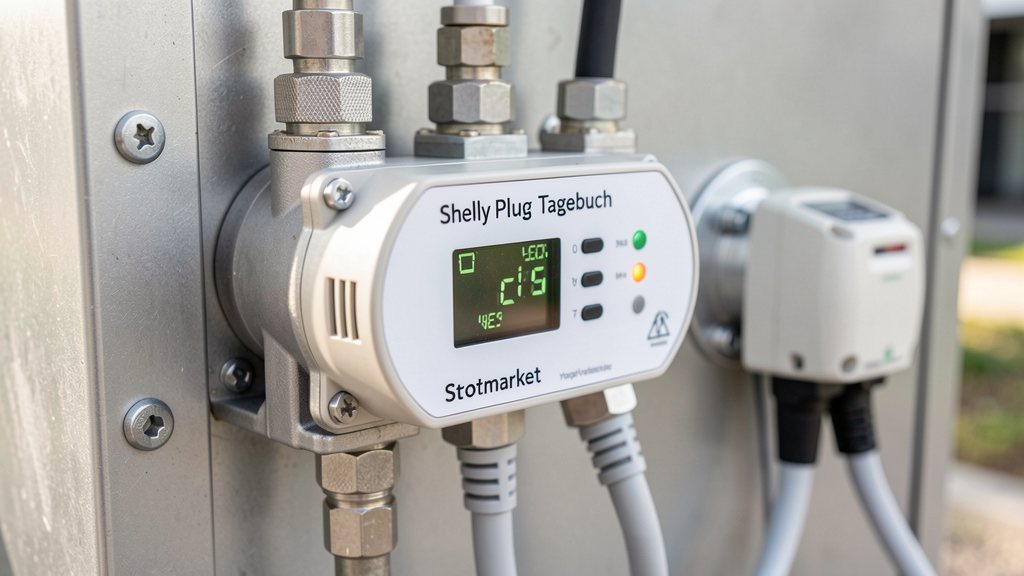
The measurement stage covers power consumption, grid load and the efficiency of your machine drives. Together these give a complete picture of your energy infrastructure rather than a single meter reading at the point of supply.
Drives matter disproportionately because they are where consumption and idle behaviour diverge most: a drive can draw significant energy while doing no useful work, and that only becomes visible when drive-level data sits next to the grid-level picture.
Analysis and optimisation proposals
From the collected data, inefficient processes and overloaded network segments are identified. Two patterns recur: equipment that either consumes too much energy or does not provide enough capacity, and frequent load peaks that endanger grid stability and drive costs up.
The output is not a report that ends there. The Stromfee diary produces concrete optimisation proposals aimed at improving your energy flows and distributing your loads more evenly.
Implementation and ongoing monitoring
The proposed optimisations are integrated into your energy management and then monitored, so the analysis becomes a permanent function rather than a one-off exercise. Stromfee also offers continuous network analysis of feed-in and supply installations.
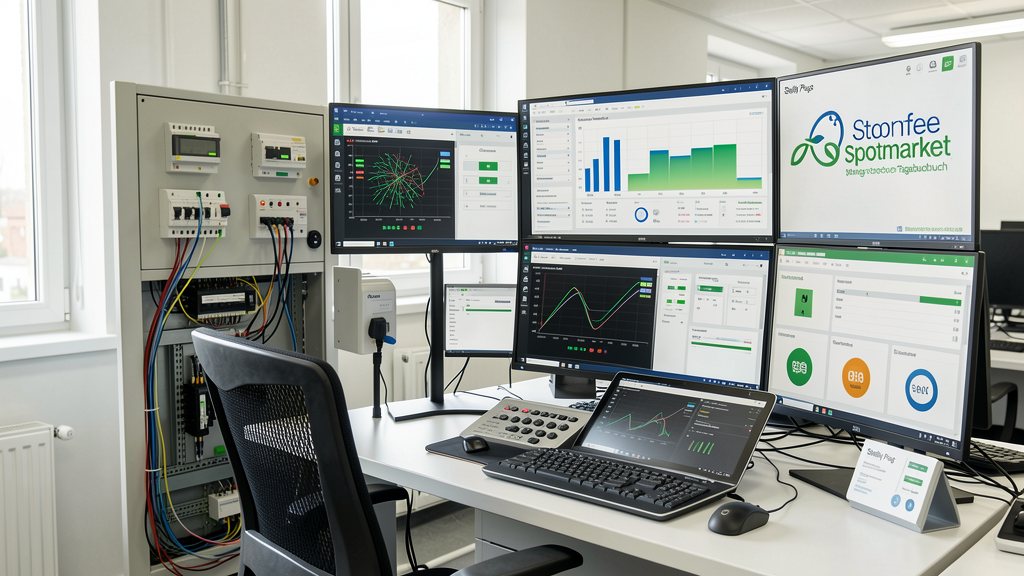
The Stromfee diary is built to keep consumption transparent, to detect anomalies, and to keep the operator up to date through its artificial intelligence component. Transparency and anomaly detection are the practical mechanisms behind the efficiency gains — you see deviation when it happens, not in next year's bill.
Documented results from network and drive analysis
Two case studies from Stromfee's own reporting show the order of magnitude. In the first, a company reduced its no-load losses on transformers by 25% through continuous monitoring and analysis, which amounted to a saving of several thousand euros per year in energy costs.
In the second, a company found that its machine drives were running inefficiently and consuming a lot of energy while idle. After optimisation using the Stromfee diary, the energy costs for those drives were reduced by 20%. Both results came from measurement first, then a targeted change — not from a generic efficiency programme.
Who benefits, and how the investment is supported
Companies of any size and in any sector with a complex energy network benefit from network analysis. Industrial companies, agricultural operations, data centres and production facilities in particular can lower costs and increase operational reliability by analysing their network structures.
The introduction of efficient energy management such as network and drive analysis is supported in many countries. In Germany, BAFA funding offers support of up to 40% of the investment costs. Stromfee assists with the application so that the maximum available funding is obtained.
FAQ
What is the difference between an energy audit and continuous energy consumption analysis?
The audit is the entry point: it measures power consumption, grid load and drive efficiency to identify where energy is being wasted and which network segments are overloaded. Continuous analysis is what follows implementation — the optimisations are integrated into your energy management and then monitored on an ongoing basis. Stromfee offers permanent network analysis of feed-in and supply installations, not only a one-time survey.
Why should the audit happen before using the Stromfee Strompreismanager?
An energy audit with network analysis identifies areas of energy wastage and inefficiency first. That gives the spot price manager a plant whose consumption behaviour is already known and already corrected where it was clearly wasteful, rather than optimising the price of energy that should not have been consumed in the first place.
What does the analysis typically find?
Recurring findings are equipment that either consumes too much energy or does not provide enough capacity, and frequent load peaks that endanger grid stability and cause high costs. At drive level, a common finding is drives that consume a lot of energy while idle. In Stromfee's documented cases, addressing idle drive behaviour reduced drive energy costs by 20%, and continuous transformer monitoring reduced no-load losses by 25%.
Is funding available for network and drive analysis in Germany?
Yes. The introduction of efficient energy management such as network and drive analysis is supported by many countries, and in Germany BAFA funding offers support of up to 40% of the investment costs. Stromfee helps with the application and works to ensure the maximum funding is received.