900 MW. Crusoe & Microsoft Abilene — The AI Capital Next Door
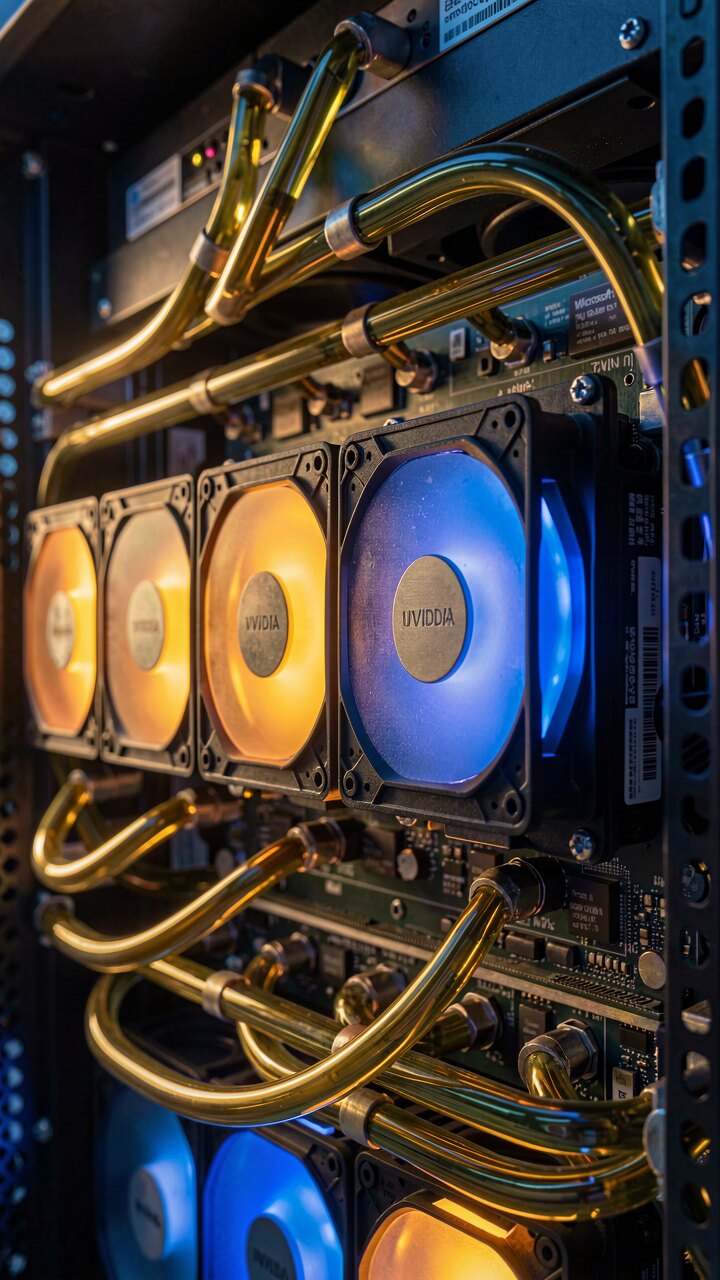
There is a city in West Texas, population 125,000, that is quietly becoming the AI capital of the world. Abilene, Texas will host over 2 gigawatts of AI computing infrastructure once both the Stargate campus and the adjacent Crusoe / Microsoft facility are fully operational — more concentrated AI compute than any other city on earth, including San Francisco, Seattle, or Austin. The Crusoe campus, where Microsoft has leased approximately 700 MW of capacity, is the lesser-known half of that equation. But 900 MW is not a small number: it is more power than the entire state of Delaware uses on a typical day.
What is the Crusoe / Microsoft Abilene Campus?
Crusoe Energy Systems was not, until recently, a datacenter company. It was founded to solve the oil and gas industry's flared gas problem: capturing methane that drillers would otherwise burn off as waste, and converting it to electricity on-site for bitcoin mining and other compute workloads. That origin story — monetizing stranded energy — turned out to be excellent training for what comes next: building hyperscale AI infrastructure.
The Abilene campus is a direct lease arrangement. Crusoe owns and operates the physical datacenter infrastructure — land, buildings, power, cooling. Microsoft leases approximately 700 MW of that capacity for its own AI workloads, including Azure AI services and the Copilot products that run on Azure infrastructure. The remaining ~200 MW is available for Crusoe's own operations or other tenants.
The campus is physically separate from OpenAI's Stargate campus but located in the same Abilene metro area, and the two facilities together form what industry analysts have taken to calling the "Abilene AI Cluster" — a concentration of AI compute with no parallel anywhere in the world.
The Numbers
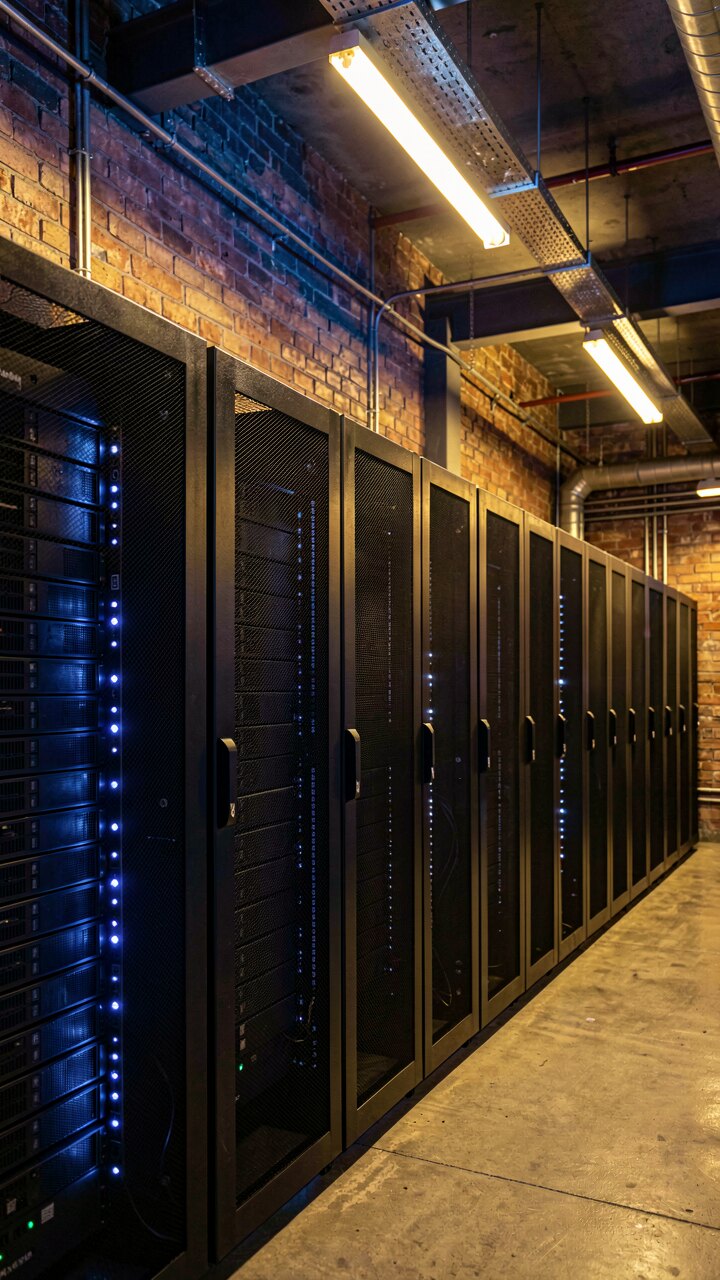
The Abilene cluster number — 2,100 MW combining Stargate's 1,200 MW with Crusoe's 900 MW — deserves to be stated plainly: two AI campuses, in one mid-size Texas city, drawing more continuous electricity than the entire country of New Zealand. Microsoft's 700 MW lease at Crusoe is itself larger than many countries' total datacenter consumption. It will power Azure AI inference for hundreds of millions of Microsoft 365 Copilot, GitHub Copilot, and Azure OpenAI users simultaneously.
How It's Powered and Cooled
Abilene has one natural advantage for AI datacenters: it sits in one of the driest regions of Texas, with average annual precipitation of under 600 mm and humidity levels well below the Gulf Coast. This makes evaporative cooling viable for a large fraction of the year — a significant OPEX advantage over humid-climate sites like Louisiana or Virginia.
Power supply in Abilene comes from the ERCOT grid — Texas's independent electricity market, notorious for both extreme price volatility and, since the 2021 winter storm, reliability concerns. The combination of two giant AI campuses drawing over 2 GW in one location has prompted significant transmission upgrades in the AEP Texas Central territory. Crusoe's history with on-site generation from stranded gas gives it institutional knowledge for supplementing grid power with local generation assets.
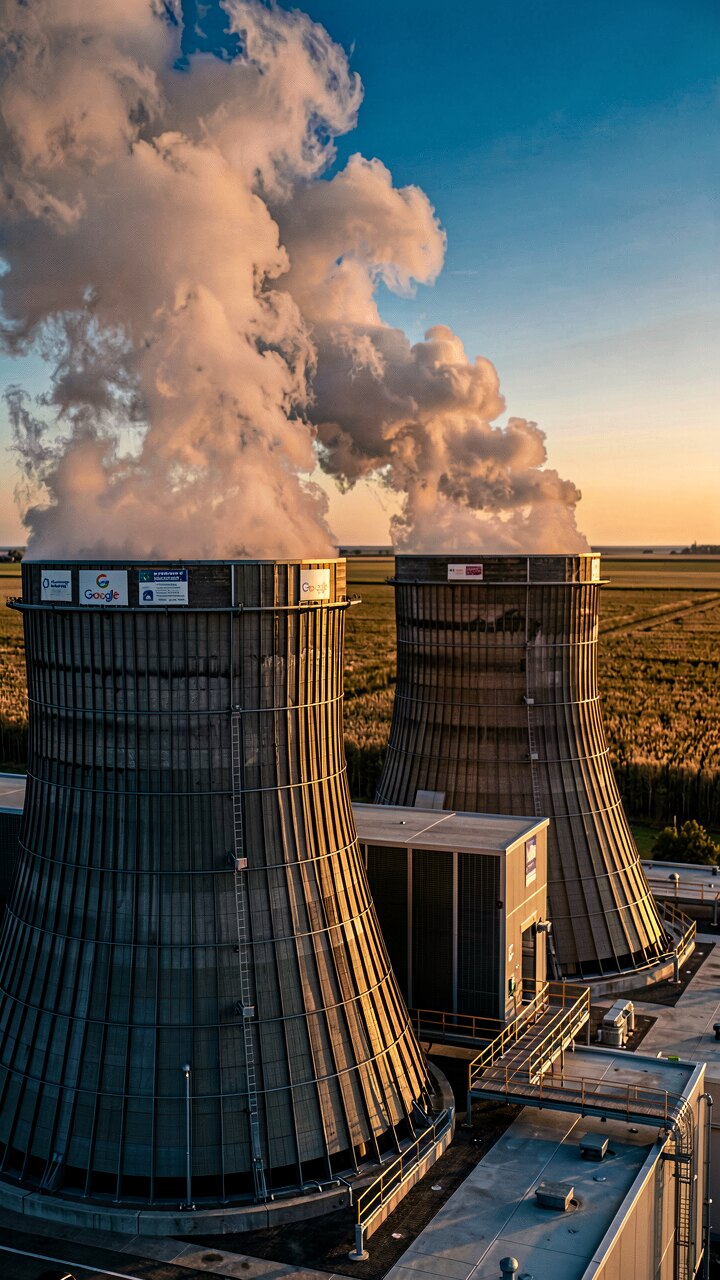
Cooling at 900 MW involves a substantial chiller plant — even with Abilene's dry climate advantage, a large fraction of GPU racks use direct liquid cooling, meaning chillers must run regardless of outdoor humidity. Managing chiller load intelligently against ERCOT's notoriously volatile day-ahead and real-time prices is one of the most financially impactful decisions a facility manager at this campus makes every single day.
The Stromfee Connection
The Crusoe / Microsoft campus operates in one of the most price-volatile electricity markets in the world. ERCOT real-time prices can swing from zero or negative (during high wind generation) to $5,000 per MWh (during peak demand) within hours. For a campus drawing 900 MW, this volatility is both a risk and an opportunity.
Intelligent energy dispatch — pre-cooling server halls and thermal mass when ERCOT prices are near zero, discharging battery storage when prices spike, adjusting HVAC setpoints in real time against market signals — is not an optimization; it is a competitive necessity. Stromfee's BESS-Optimizer provides exactly this layer: transparent, price-aware energy management that shows operators to the cent when to store, when to cool, and when to sell back to the grid. In a market as volatile as ERCOT, that intelligence can swing energy costs by 20–30% annually on a 900 MW load.