CHP & Cogeneration in Ireland: Remote Monitoring and Market-Driven Dispatch

Remote monitoring reads a CHP unit's live operating data over Modbus/TCP or an HTTP API and logs it every minute, so faults are caught early without a site visit. Market-driven dispatch then decides when the unit runs by comparing its short-run cost to the Single Electricity Market (I-SEM) price, so it generates when power is valuable and idles when it is not.
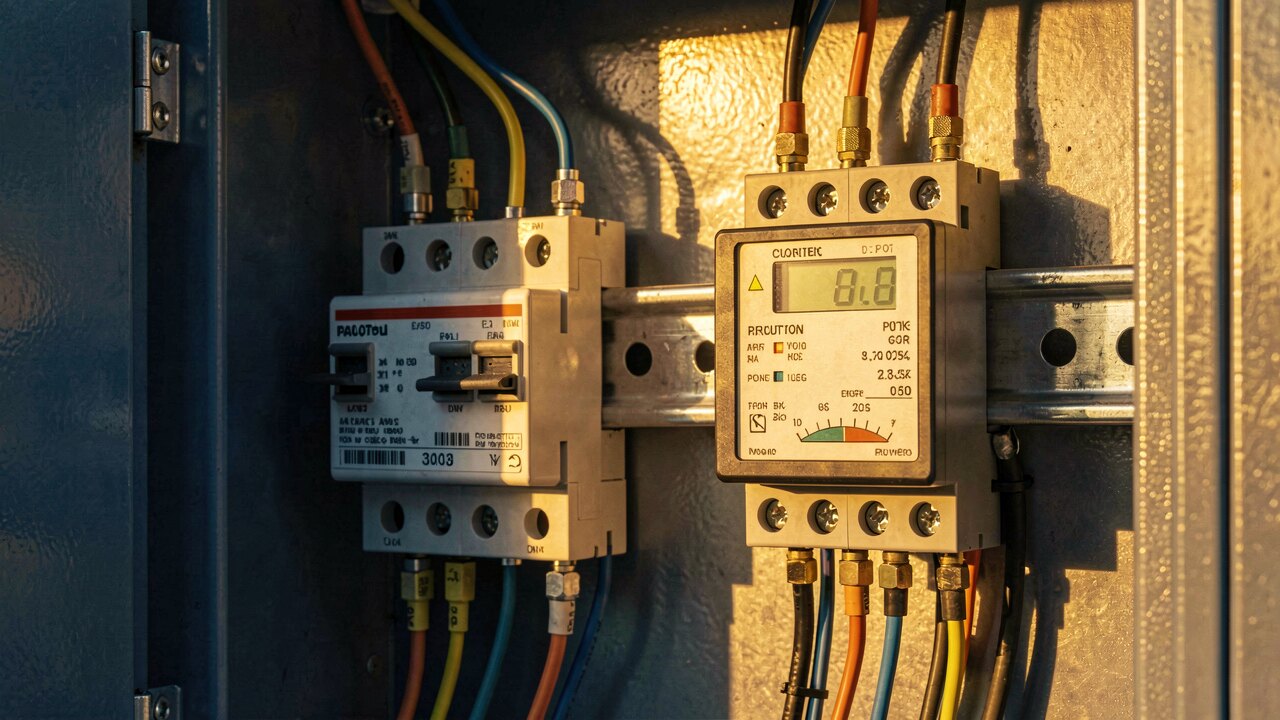
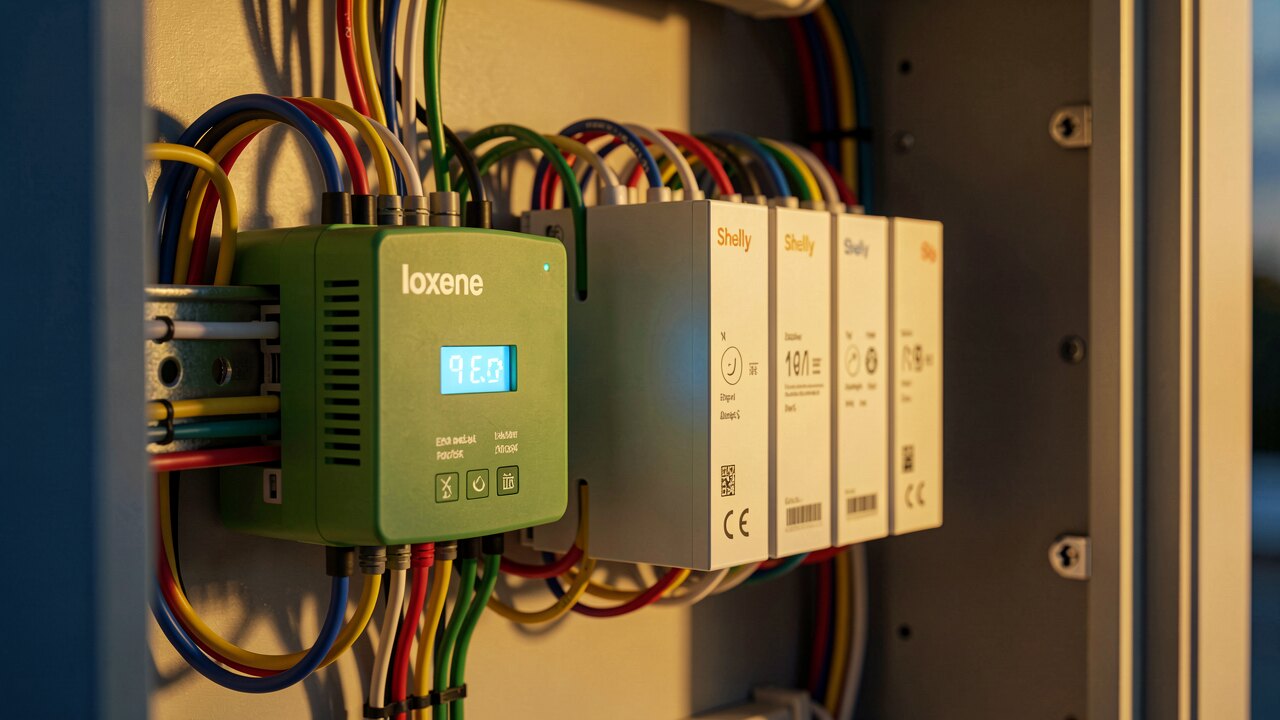
A modern cogeneration unit exposes its controller (e.g. a MIB/engine controller) over Modbus/TCP or an HTTP API. A gateway polls electrical output, thermal output, engine hours, temperatures, exhaust and fault codes and writes them to a central database — typically at one-minute resolution. In Ireland this lets an operator watch an anaerobic-digestion or gas CHP from anywhere, spot derating or a lube-oil warning before it trips, and plan the next service by run-hours rather than calendar. No proprietary hardware is required if the controller speaks Modbus or SunSpec.
Ireland and Northern Ireland share the Integrated Single Electricity Market (I-SEM), operated by SEMO with day-ahead and intraday auctions on SEMOpx and a balancing market run by EirGrid. Market-driven dispatch feeds those prices to the CHP controller: the unit is scheduled to run when the wholesale or balancing price exceeds its marginal fuel cost (spark spread), and to modulate or stop when prices fall — provided the heat demand it serves can still be met, since a CHP's first duty is usually heat.

A CHP only earns from power if it can place its heat. In practice the dispatch logic is constrained: a heat buffer (thermal store) lets the engine run during high-price windows and bank heat for later, while a boiler or heat pump covers demand when the CHP is held off during low or negative prices. Monitoring the store temperature and heat flow alongside the market price is what makes price-following possible without leaving a building cold.
CHP export in Ireland connects through ESB Networks (distribution) or, for larger sites, EirGrid (transmission). Beyond energy sales, dispatchable CHP with fast, controllable output can participate in EirGrid's DS3 system-services and balancing mechanisms, which pay for flexibility and reserve. Remote telemetry and remote setpoint control are prerequisites, because the plant must respond to dispatch instructions and prove delivery with metered data.
Funding depends on the fuel and site. The Sustainable Energy Authority of Ireland (SEAI) administers efficiency and CHP-related supports, and the Support Scheme for Renewable Heat (SSRH) can back biomass and biogas/anaerobic-digestion heat, including CHP heat, via an operational tariff or installation grant. Renewable generation may route through the Renewable Electricity Support Scheme (RESS). Always confirm current eligibility, high-efficiency CHP criteria and closing dates directly with SEAI before sizing a project — terms change year to year.
Practical checklist: a controller that speaks Modbus/TCP, SunSpec or an HTTP API; a monitoring gateway logging at one-minute resolution to a database; an I-SEM price feed (day-ahead/intraday/balancing) into the dispatch logic; a heat buffer plus back-up heat source so power-following never risks supply; and metering acceptable to ESB Networks/EirGrid if you intend to export or offer system services.
 Live prices & arbitrage · stromfee.ai
 Charge Director
 Automixer
 BESS Engineer
 PV Watcher
 Academy