Peak Shaving with Battery Storage for Commercial Consumers in Ireland

Peak shaving means discharging a battery during your highest-demand periods so the grid sees a lower peak, cutting the capacity- and demand-based charges on your Irish electricity bill. For commercial consumers here it works because network charges are tied to your Maximum Import Capacity and half-hourly peaks, not just the kWh you use.
A battery charges from the grid (or your own solar) during low-demand hours, then discharges to shave the top off your load when demand spikes. On an Irish commercial tariff this lowers two things: the metered demand peak (kVA/kW) and, over time, your Maximum Import Capacity (MIC) — the contracted capacity you pay ESB Networks for whether or not you use it. Cut the peak and you cut those standing charges directly.
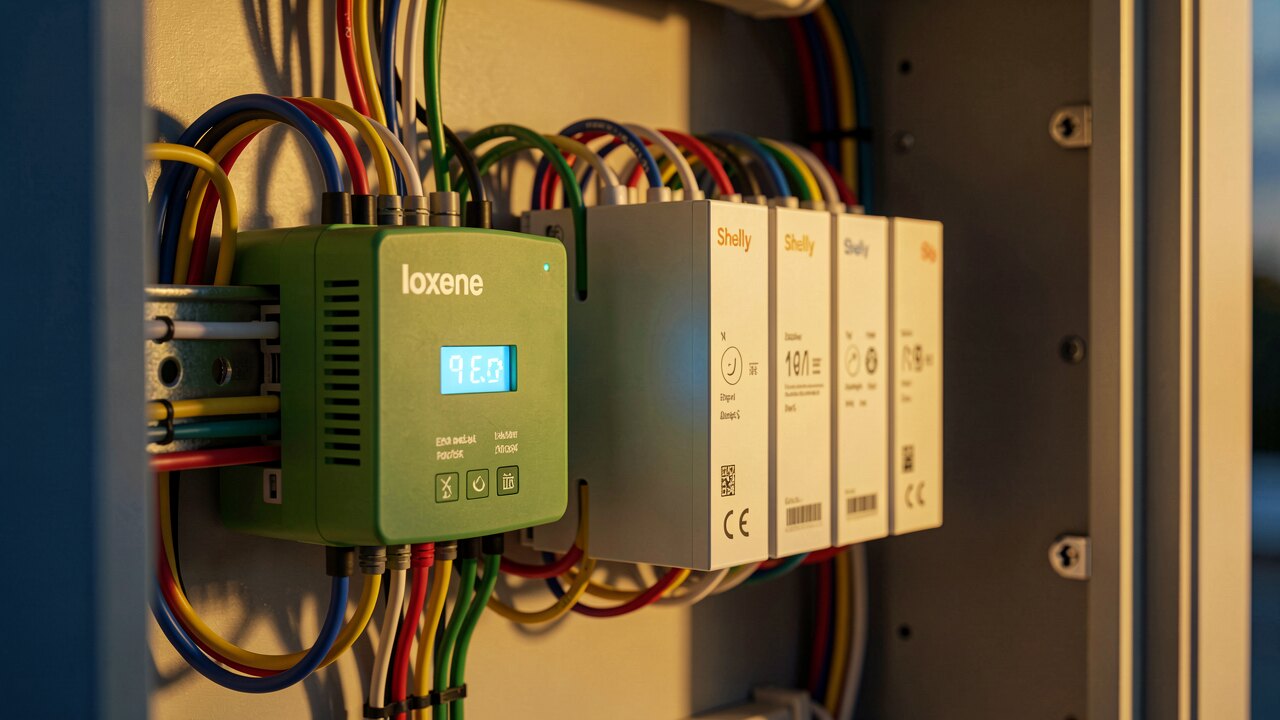
Irish commercial supply splits into energy (per kWh) and network/capacity charges (DUoS/TUoS plus MIC). MIC is billed on the capacity you reserve and incurs excess-capacity penalties if you exceed it. A battery that reliably holds your peak below a threshold lets you contract a lower MIC and avoid excess penalties, so the saving is structural, not just a one-off — it repeats every billing period.
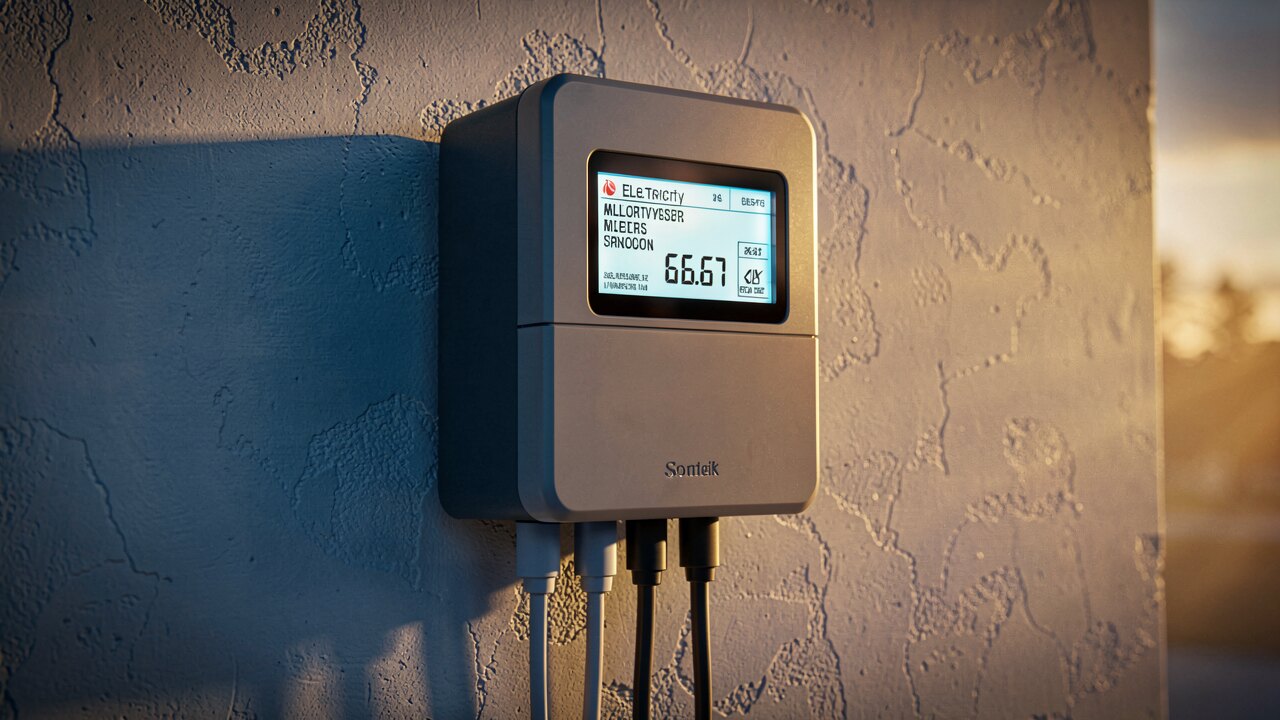
Size to your peak shape, not your total consumption. Look at your half-hourly ESB Networks interval data, find how far and how long your worst peaks run above your target level, and pick power (kW) to cover the height and energy (kWh) to cover the duration. Most commercial peaks last one to a few hours, so a battery with 1–2 hours of energy at your shaving power typically covers them; short, sharp peaks need more power, sustained ones need more kWh.

Peak shaving and price arbitrage share the same battery. Over the last 30 days Ireland's day-ahead spread — cheapest to most expensive settlement period — averaged about €96/MWh, roughly 66% of the average price. Charging in cheap, wind-heavy hours and discharging into the scarce evening peak captures that spread, so the same discharge that shaves your demand peak can also be timed to the most expensive price window.
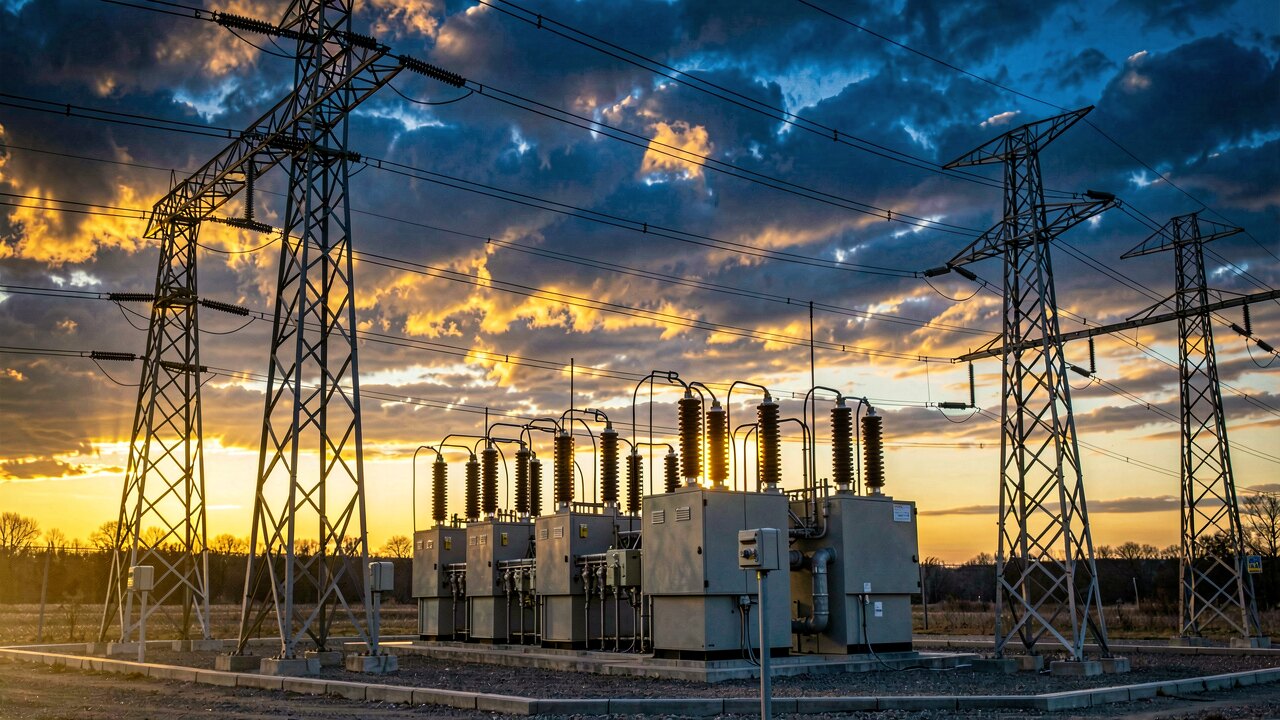
Ireland's grid is renewables-heavy and congested. EirGrid and SONI's 2025 report shows a wind dispatch-down rate of 11.3% in the Republic (6.6% from network constraints, 4.7% system-wide) — about one in eight MWh of available wind never reaches consumers. Ireland has roughly 800 MW of operational battery storage and over 1 GW in total, with more than 10 GW in the planning pipeline, so behind-the-meter storage is riding a proven wave, not an experiment.
From October 2026 the removal of Distribution Transmission Use of System (D-TUoS) charging fees is planned, which improves the economics of charging a battery from the grid for arbitrage and peak shaving. Treat this as a planned change: confirm the current tariff terms with your supplier and ESB Networks before basing a business case on it, and model your saving on your own MIC and interval data rather than headline figures.
 Live prices & arbitrage · stromfee.ai
 Charge Director
 Automixer
 BESS Engineer
 PV Watcher
 Academy