Compensation for Curtailed Solar & Negative-Price Hours in Ireland

Short answer: usually no. In Ireland, curtailment (dispatch-down) is largely uncompensated for recent connections, and RESS support payments stop during negative-price hours. Here is exactly when you are — and aren't — paid, and how a battery recovers that value.
Under Ireland's RESS (Renewable Electricity Support Scheme), the support top-up is not paid while the SEMOpx day-ahead price is negative — the scheme deliberately removes the incentive to keep generating when the system is oversupplied. So during a negative-price hour you are not only losing the support payment, you'd pay to export if you kept running. The practical move is to stop exporting (or store the energy) rather than push power into a negative market. Merchant solar with no RESS contract is fully exposed: it simply earns the negative price on anything it exports.

EirGrid separates dispatch-down into constraint (a local network limit) and curtailment (a system-wide surplus or SNSP security limit). Constraint events on firm-access connections can attract constraint payments; system-wide curtailment is generally shared across generators and not compensated for newer, non-firm RESS connections — they carry curtailment risk by design. Check your specific connection agreement (firm vs non-firm access) and your RESS terms, because that determines whether a given dispatch-down hour is paid at all.
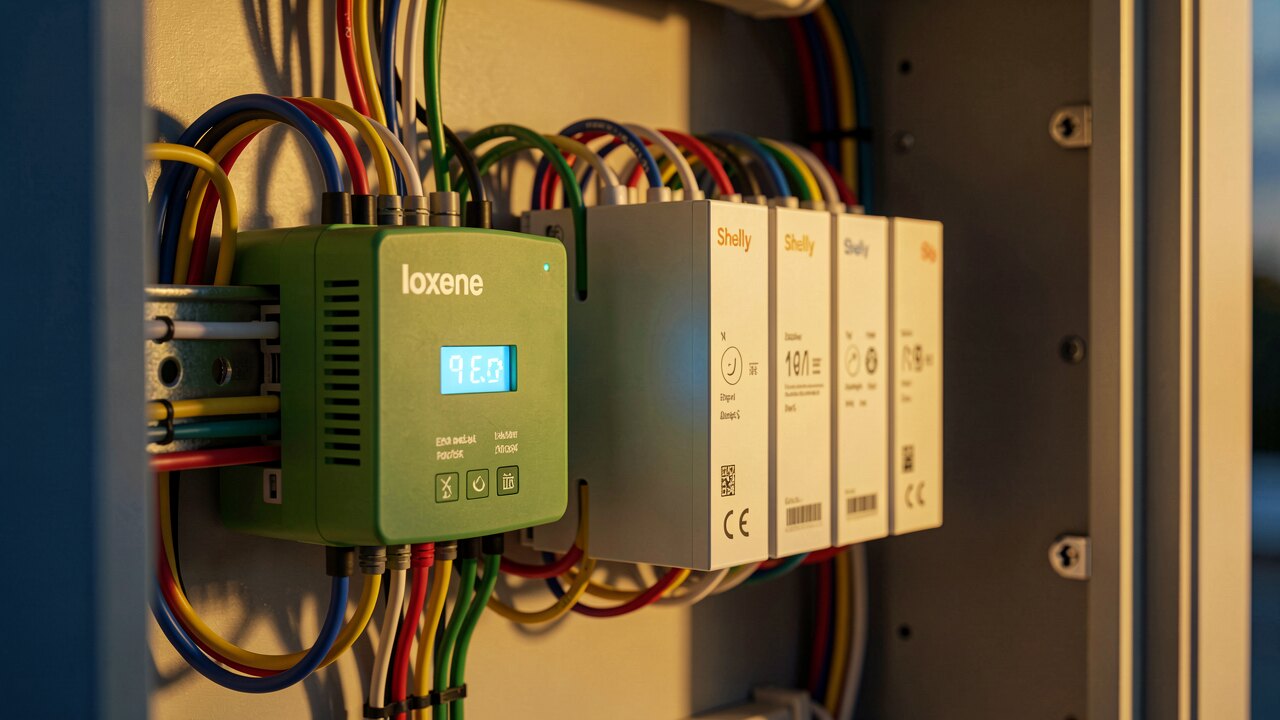
Ireland runs one of the world's highest shares of non-synchronous renewables, governed by the SNSP (System Non-Synchronous Penetration) limit, which EirGrid is progressively raising to allow more wind and solar online. But sunny, windy, low-demand hours still push the market into surplus, driving both dispatch-down and negative prices — most often around midday when solar peaks. As more solar connects, the number of negative-price and curtailment hours a given site sees each year tends to rise, not fall.
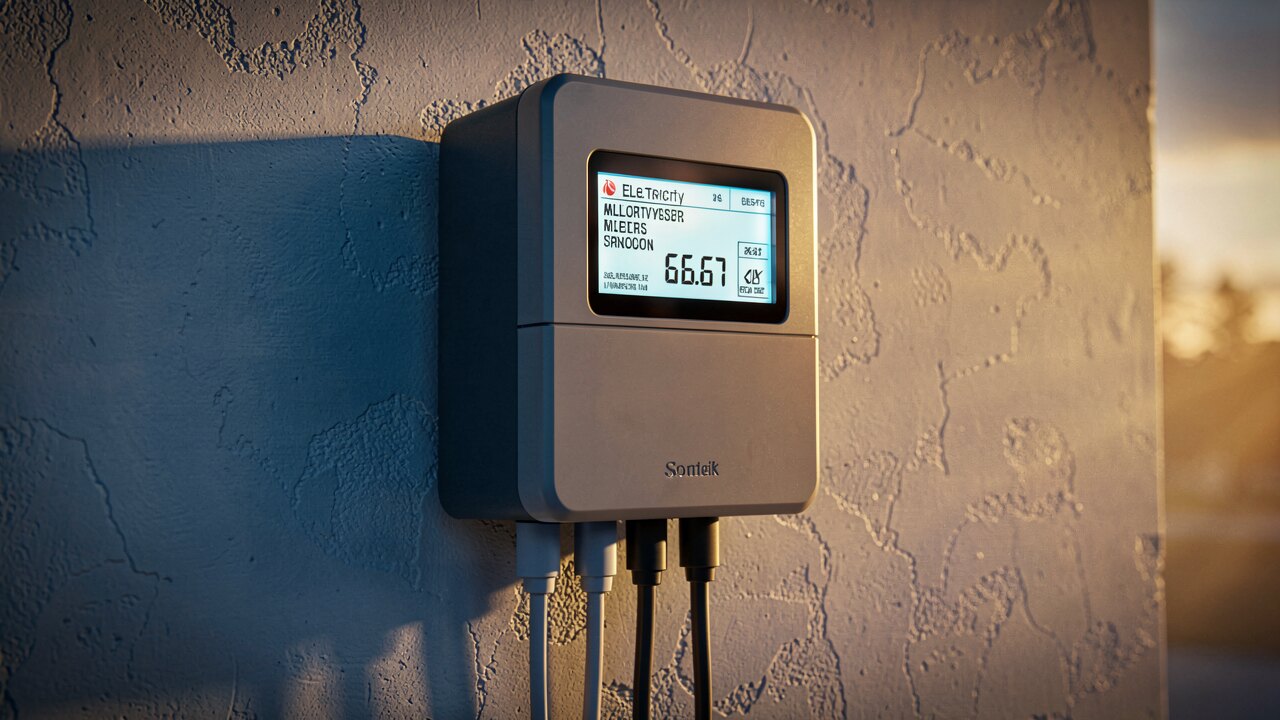
The revenue you lose to curtailment and negative prices is essentially the same energy the market is telling you to move to a different hour. Over a recent 30-day window Ireland's day-ahead spread — cheapest to most expensive settlement period — averaged about €96/MWh, roughly 66% of the average price. A battery charges in those cheap, surplus, negative-price hours (turning a cost into stored energy) and discharges into the scarce evening peak, converting curtailment risk into arbitrage revenue instead of lost generation.

1) Read your connection agreement and RESS contract to confirm your firm/non-firm status and how negative prices and dispatch-down are treated. 2) Meter and log every curtailed and negative-price hour so you can quantify the annual loss with real numbers, not estimates. 3) Model a co-located battery against your own site's day-ahead spread and dispatch-down profile — plus residual DS3/Capacity market and the planned October 2026 removal of D-TUoS charging fees, which improve the storage business case. Stromfee builds this site-specific dispatch model so the compensation gap becomes a sizing decision, not a surprise on your invoice.
 Live prices & arbitrage · stromfee.ai
 Charge Director
 Automixer
 BESS Engineer
 PV Watcher
 Academy