Nebraska as an AI Hub: Google's Papillion Cluster – and Why a 2.7 GW Giant Is About to Rise Next Door
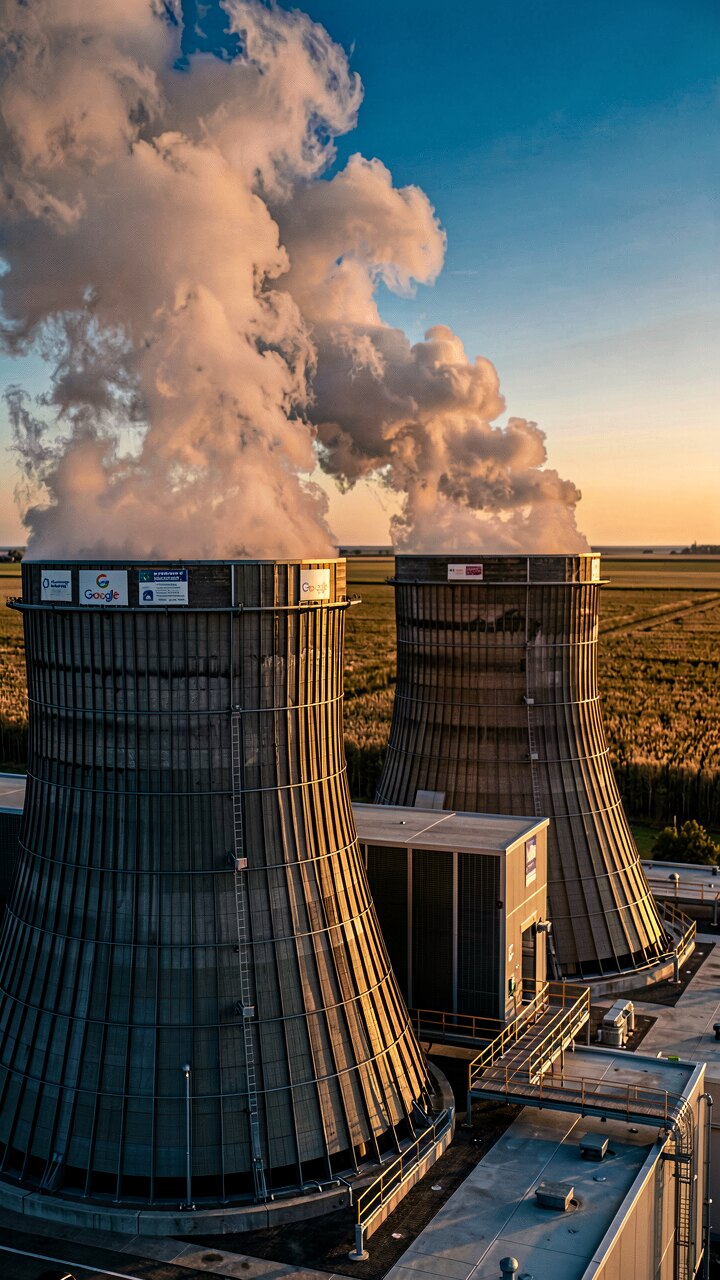
When people think of Google datacenters, they think of Oregon, Iowa, or the Netherlands. But Nebraska has quietly become one of the most important nodes in the Omaha-Council Bluffs cluster. At its center sits the Papillion campus south of Omaha – Google's original Nebraska foothold, expanded multiple times and now part of a growing metropolitan AI infrastructure hub.
History: From Acquisition to Core Cluster
Google confirmed the Papillion datacenter project in 2019 with a stated investment of $600 million. The facility sits in a region with strong advantages for datacenter operators: competitive energy prices, abundant Great Plains wind energy, water availability, and stable grid supply in the MISO (Midcontinent Independent System Operator) territory.
The campus was expanded multiple times between 2022 and 2025. Google has not publicly released precise capacity figures. An industry estimate puts the facility at approximately 200 MW – based on the confirmed investment and comparable projects of similar scale. This is an estimate, not an officially confirmed number.
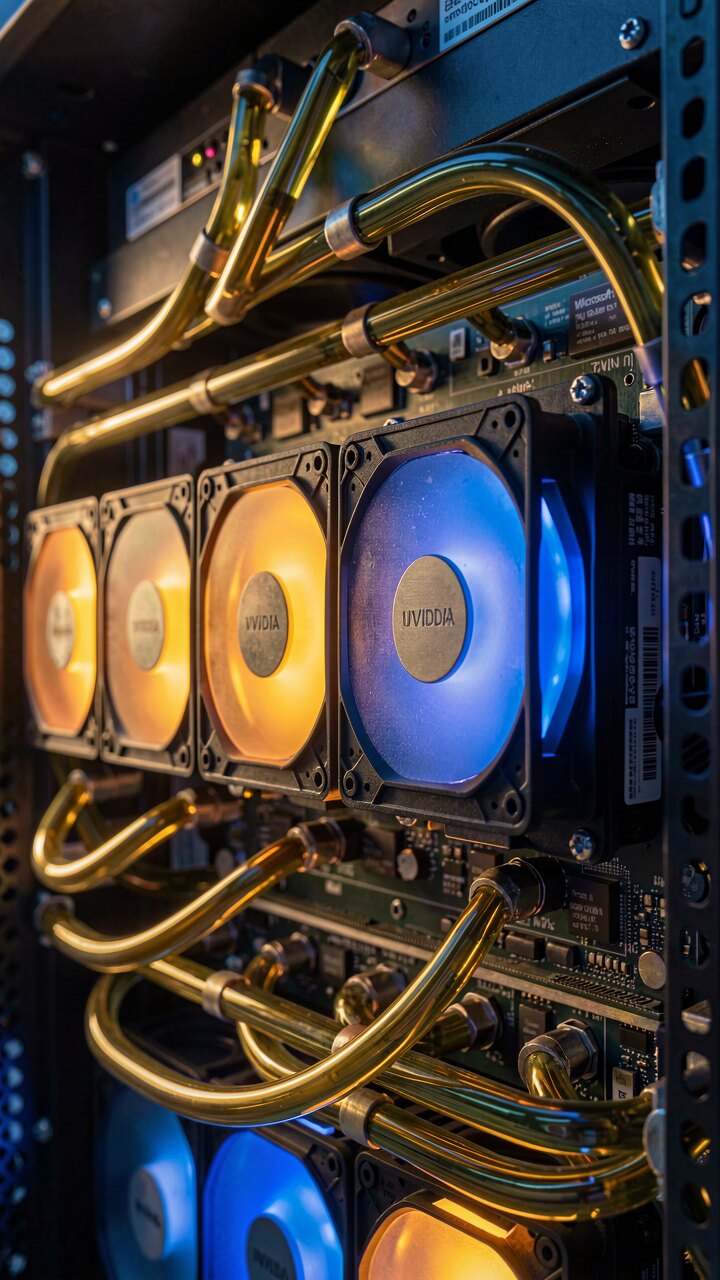
TPU Infrastructure: Google's Own AI Chips
Unlike many hyperscaler sites that use NVIDIA GPUs, Google's core datacenters primarily use its own Tensor Processing Units (TPUs). These application-specific chips were designed specifically for machine learning and training large language models. The latest generation – reportedly known as "Trillium" or TPU v5p – delivers significantly more compute per watt than general-purpose GPUs.
This makes the Papillion campus not just a standard cloud datacenter, but a node in Google's global network specifically optimized for AI training and inference workloads – from Gemini models to Google Search ranking algorithms.
What's Coming: Project Tenaska and 2.7 GW
The truly headline-grabbing news from Nebraska is not what exists today, but what is planned. Google has announced through a project entity a mega-campus called "Project Tenaska" – with a planned total capacity of 2.7 GW. It would be built in the greater Omaha/Council Bluffs area near the existing Papillion campus, with an earliest expected start date in 2029+.
2.7 GW would be equivalent to the output of several large power plants and would make Project Tenaska one of the largest single datacenter sites in the world. For comparison: xAI's Colossus campus in Memphis, currently among the world's largest, is reported at approximately 200–500 MW. Nebraska could become the new benchmark.

Energy Profile: Wind, Water, and Load Management
Nebraska sources a significant share of its electricity from wind energy. Google has committed – as at other US sites – to covering its energy demand through renewable energy via Power Purchase Agreements (PPAs). Specific figures for the renewable energy share at the Papillion campus have not been published by Google.
Nebraska's more temperate climate compared to Texas or Arizona benefits cooling efficiency. Google's leading sites globally are known for above-average PUE (Power Usage Effectiveness) values below 1.15 according to Google's own sustainability reports. Nebraska-specific PUE values are not publicly available.
For operators of PV plants and battery storage systems in Europe, watching clusters like this isn't abstract: AI datacenters drive global electricity demand and influence pricing signals across markets. The dynamics of energy spot prices – including negative price events from solar surplus – can be tracked and leveraged for your own plant optimization via stromfee.app, our multi-country hub.
Optimize your energy costs with Stromfee AI
Track how AI demand and the renewables boom shape spot markets – and optimize your plant with our AI-powered analytics platform.
Try Stromfee →Conclusion
Google's Papillion campus represents the quiet transformation of rural American regions into global AI infrastructure hubs. With the existing cluster and the planned 2.7 GW Project Tenaska, Nebraska is developing into one of the most strategically significant datacenter locations in North America. What began as an estimated 200 MW facility (industry estimate) could in a few years grow into the world's largest single AI infrastructure.
Sources: Data Center Dynamics – Google confirms $600M Papillion (2019) · Google Datacenters Nebraska. Power estimate ~200 MW: industry estimate. Project Tenaska figures (2.7 GW, 2029+) per industry reports. All illustrations: AI-generated (FLUX·2).