$3.4 Billion in the Desert of Aragón: Why Microsoft Is Building Spain's AI Capital in Zaragoza
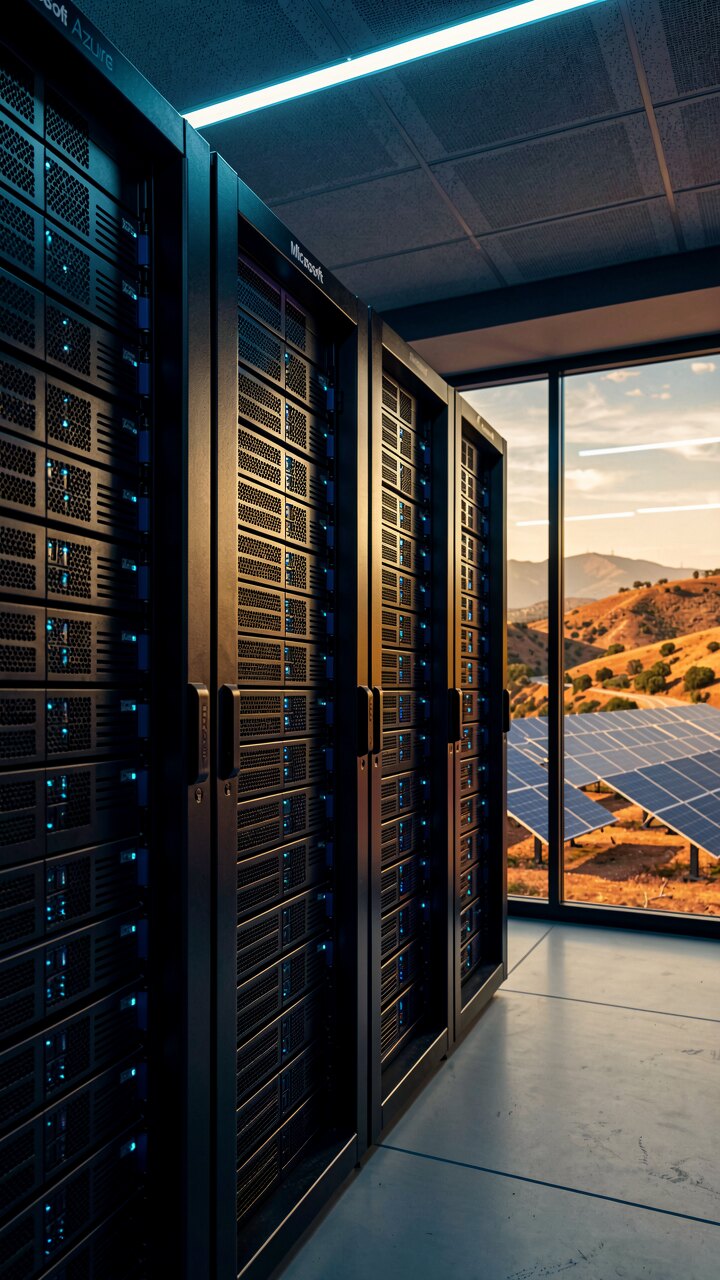
Spain had long been an outsider in the European datacenter market – dominated by Ireland, the Netherlands, and Germany. Microsoft's decision to build a new AI campus in Zaragoza (capital of the autonomous region of Aragón) for $3.4 billion USD could change that. It would be the largest datacenter project in Spain's history.
Why Zaragoza? Three Strategic Reasons
The location choice is no accident. Zaragoza and the Aragón region combine several factors ideal for a hyperscale datacenter:
1. Renewable energy: Aragón is one of the sunniest and windiest regions in Spain. The combination of long solar hours and consistent wind from the Ebro Valley makes it one of the most attractive locations in all of Europe for Power Purchase Agreements (PPAs) with renewable energy producers. For Microsoft, which has committed to being carbon-negative by 2030, this is a decisive advantage.
2. Climate for free cooling: Despite warm summers, Aragón's dry continental climate allows free cooling (using outside air for cooling without mechanical refrigeration) on many days of the year, significantly reducing HVAC energy consumption compared to more humid locations.
3. EU AI sovereignty push: The EU is actively encouraging AI infrastructure to be built within its borders to ensure data sovereignty and regulatory oversight. Spain, as a major EU member with good network infrastructure and access to transatlantic subsea cable connections, is well positioned to benefit from this political tailwind.
Europe's AI Expansion: More Than One Site
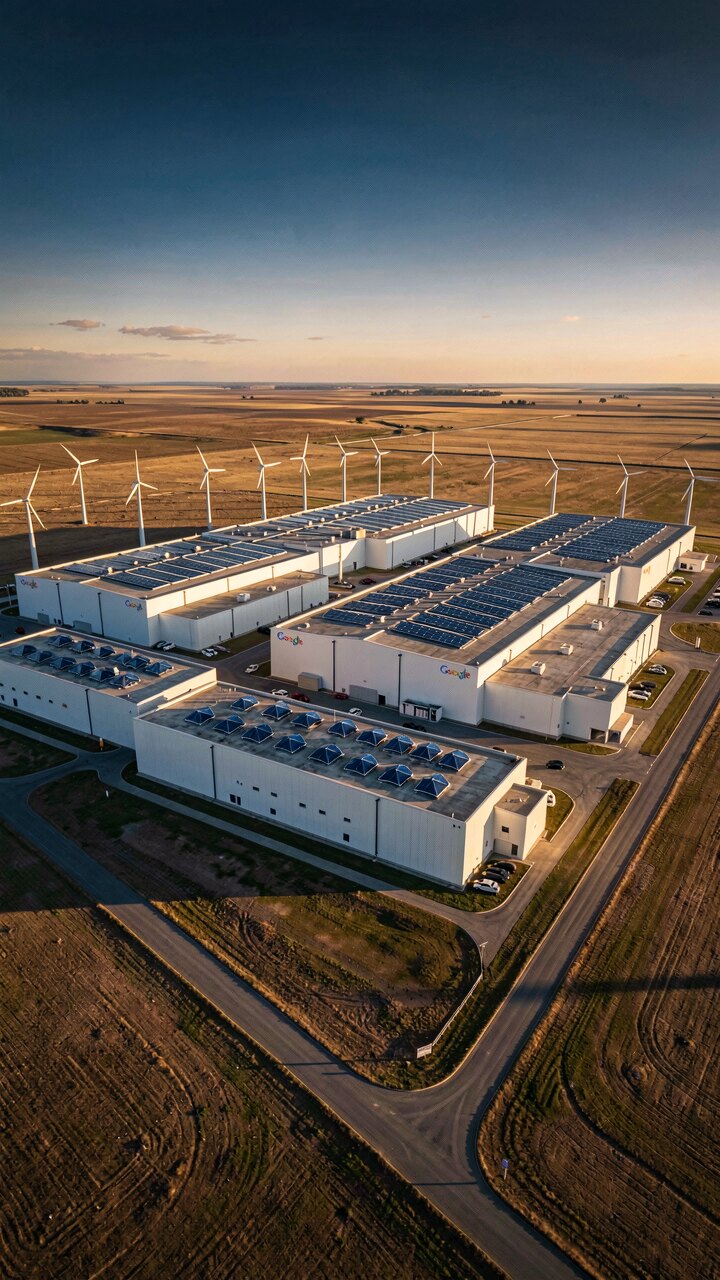
The Zaragoza project is part of Microsoft's broader European AI expansion strategy. Over the past two years, the company has announced investments across Germany, France, Poland, the Netherlands, and now Spain. Together, these sites feed into the Azure network that delivers OpenAI models like GPT-4 and future variants to European enterprise customers.
Zaragoza stands out particularly because of the announced investment of $3.4 billion for a single location – an exceptionally large figure. The capacity estimate of approximately 200 MW is an industry estimate based on comparable Microsoft projects of similar investment scale; Microsoft has not officially communicated the MW capacity for Zaragoza.
HVAC, BESS, and the Energy Transition Connection
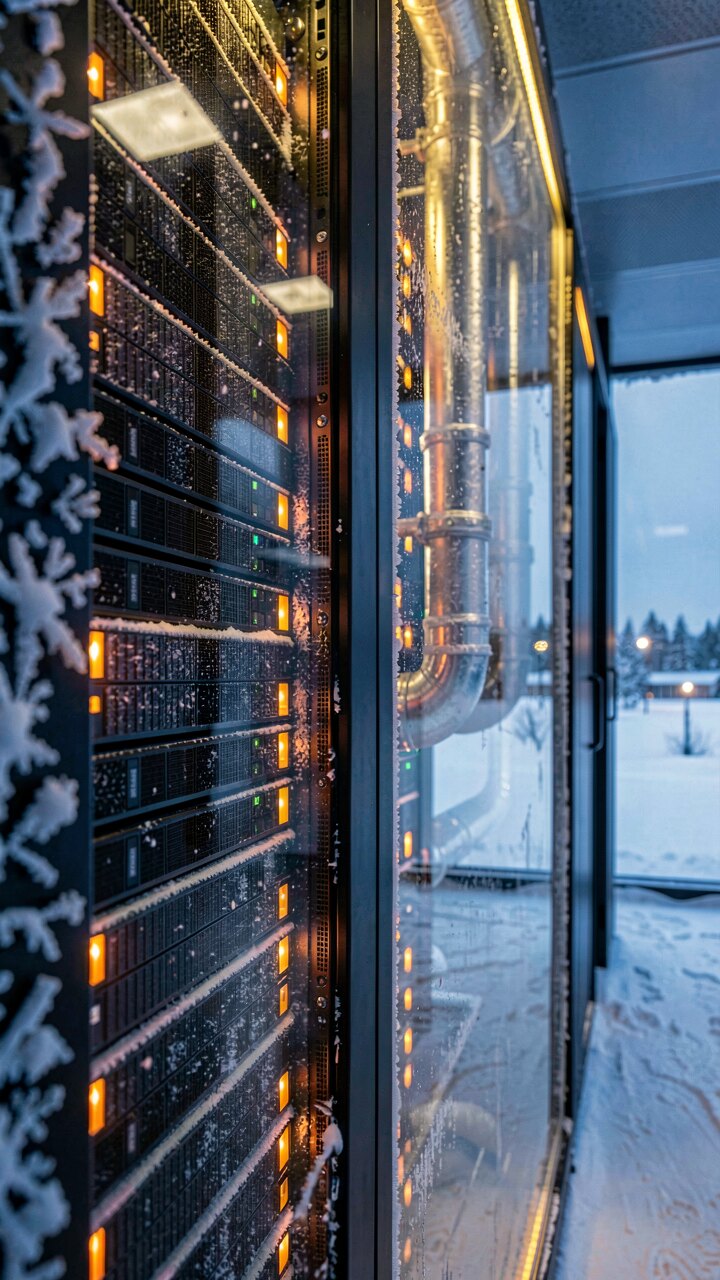
Datacenters like Zaragoza don't just consume enormous amounts of electricity – they also generate enormous amounts of waste heat. Modern hyperscaler HVAC systems increasingly use heat recovery for district heating networks and industrial drying facilities. Whether this is planned for Zaragoza has not been publicly disclosed.
Battery Energy Storage Systems (BESS) are becoming standard infrastructure for datacenter operators of this scale: they bridge short-term grid outages, buffer load spikes, and enable flexible energy purchasing on the spot market. For operators of PV plants and BESS systems – precisely Stromfee's target audience – the growing demand from such datacenters creates indirect effects on electricity spot prices and balancing energy markets.
stromfee.app as our multi-country hub monitors and analyzes these markets in real time – from Germany and Spain to the Nordic countries. The same intelligence that drives Zaragoza's energy procurement strategy is available for individual plant optimization.
Optimize your energy costs with Stromfee AI
AI datacenters like Zaragoza are reshaping European electricity markets. Stromfee brings the same intelligence to your solar plant or battery storage system.
Try Stromfee →Conclusion
When it opens, Microsoft Zaragoza will be Spain's largest AI datacenter – and one of the most significant in Europe. The $3.4 billion investment, the focus on renewable energy in Aragón, and the EU sovereignty strategy make this project a bellwether for European AI infrastructure in the second half of the 2020s.
Sources: Blackridge Research – Largest Upcoming Data Centers in Europe. Power estimate ~200 MW: industry estimate based on investment scale; Microsoft has not officially communicated MW capacity. All illustrations: AI-generated (FLUX·2).